Peak Climbing in Nepal
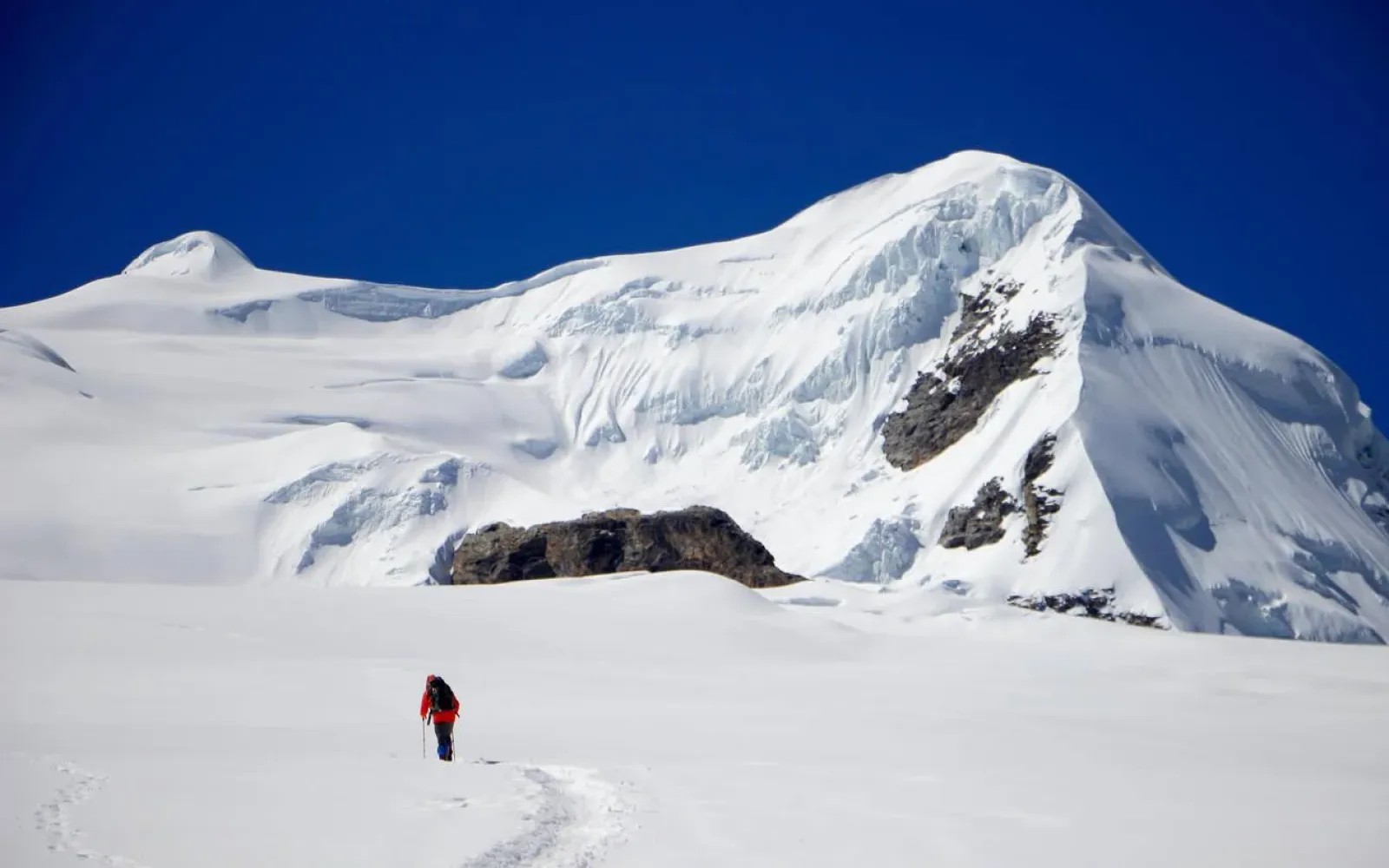
Mera Peak Climbing is one of Nepal’s most rewarding Himalayan climbing adventures, combining a remote high-altitude trek with the experience of ascending a 6,000-meter-class Himalayan summit. Organized by Trail Mania Trek, this 18-day itinerary begins with arrival in Kathmandu and includes sightseeing, trek preparation, a scenic flight to Lukla, and a gradual approach through the quieter valleys of the Khumbu region. The route passes through Paiya, Panggom, Ningsow, Chhatra Khola, Kothe, Thaknak, and Khare before the climbing phase begins. The itinerary is designed to provide progressive acclimatization rather than rushing directly toward the summit.The major objective is the ascent of Mera Peak, with the itinerary reaching Mera High Camp at approximately 5,780m before the summit attempt at around 6,461m. The summit day is physically demanding and requires an early start, appropriate mountaineering equipment, strong fitness, and careful attention to altitude. After the summit attempt, the journey returns through Kothe and Thuli Kharka before crossing the approximately 4,600m Zatrwa La Pass and reaching Lukla. A dedicated contingency day is also included, providing flexibility in case weather or mountain conditions affect the summit schedule. Government tourism information lists Mera Peak among Nepal’s recognized climbing peaks in the Khumbu/Sagarmatha region.18-day Mera Peak climbing itinerary.Scenic Kathmandu–Lukla–Kathmandu flights.Remote Hinku Valley trekking experience.Acclimatization at Thaknak and Khare.Pre-climb training at Khare.Mera High Camp and summit attempt.Reserve day for weather or other contingencies.Descent through Thuli Kharka and Zatrwa La.For travelers looking for a genuine Himalayan climbing experience away from the busiest trekking routes, Mera Peak offers an excellent combination of adventure, mountain scenery, Sherpa culture, and high-altitude challenge. With Trail Mania Trek, the itinerary can be supported by experienced guides and carefully planned logistics from Kathmandu through the trek and climbing stages.Best Season for Mera Peak ClimbingChoosing the right season is extremely important for a successful Mera Peak expedition. The two principal climbing periods are spring, from March to May, and autumn, from September to November. These seasons generally offer better trekking and climbing conditions, with comparatively stable weather, clearer mountain views, and favorable visibility. Spring brings warmer conditions at lower elevations and gradually improving mountain weather, while autumn follows the monsoon and is often appreciated for clear skies and crisp Himalayan panoramas. For this reason, Trail Mania Trek generally recommends spring and autumn for climbers seeking a balance between weather, trail conditions, and mountain visibility.The timing of the summit attempt can influence the overall experience considerably. At elevations above 5,000m, conditions can change quickly, and even during the preferred seasons, snowfall, strong winds, cloud, or freezing temperatures can affect the climbing schedule. The itinerary therefore includes a reserve day after the planned summit day. This flexibility is particularly useful because the team may need to adjust the climbing plan according to actual mountain and weather conditions rather than following the calendar rigidly.Seasonal considerations include:Spring (March–May): Excellent period for climbing and mountain views.Autumn (September–November): Generally stable weather and clear visibility.Winter (December–February): Much colder, with potentially challenging snow and wind.Summer/Monsoon (June–August): Wetter lower trails and more unpredictable conditions.Reserve day: Helps accommodate weather-related summit delays.Current Nepal mountaineering fee schedules also distinguish spring, autumn, summer, and winter seasons, so the climbing season can affect both practical planning and permit costs. The government’s current mountain royalty framework has been revised in recent years, making it important to verify applicable fees before departure.With Trail Mania Trek, travelers can select departure dates according to their preferred season, available time, and climbing experience. Regardless of season, the final decision to proceed toward the summit should always be based on the guide’s assessment of weather, route, snow conditions, and the climber’s health and acclimatization.Mera Peak Climbing Difficulty and TransportationMera Peak Climbing is generally considered a challenging high-altitude adventure rather than a conventional trekking holiday. Although the standard route does not normally involve highly technical mountaineering throughout the entire journey, the altitude makes the expedition demanding. The itinerary reaches more than 6,400m, and climbers must cope with cold temperatures, reduced oxygen, long walking days, steep terrain, and the physical demands of summit day. The approach itself includes several substantial trekking stages, including the 7–8-hour walk from Ningsow to Chhatra Khola and the 6–7-hour journey from Chhatra Khola to Kothe.Acclimatization is one of the most important components of this itinerary. The gradual progression from Kathmandu at approximately 1,400m to Khare at around 5,045m gives the body time to adapt to increasing elevation. Day 10 is reserved for acclimatization and pre-climb training, allowing participants to rest while also practicing essential climbing skills. Depending on conditions and the team's plan, training can cover crampon use, ice-axe techniques, rope movement, climbing techniques, and safe movement on snow and ice. The summit day from Mera High Camp is particularly demanding and should never be underestimated.Difficulty and transportation highlights:High-altitude trekking up to approximately 6,461m.Several 5–8-hour trekking days.Gradual acclimatization through the Hinku Valley.Technical training before the summit attempt.Early-morning summit departure.Domestic flights between Kathmandu and Lukla.Trekking and climbing sections completed on foot.Weather-dependent flexibility for Lukla flights.Transportation begins with the flight from Kathmandu to Lukla, followed by trekking through the remote mountain settlements. The return follows the trekking route toward Lukla before the scheduled flight back to Kathmandu. Since Lukla flights can be affected by weather, Trail Mania Trek builds practical flexibility into the logistics and maintains communication regarding flight schedules and mountain conditions. Climbers should also understand that transportation in the Himalayas is weather-dependent and schedules can occasionally change.Food and Accommodation for Mera Peak ClimbingFood and accommodation are important parts of maintaining energy and comfort during a Mera Peak expedition. Throughout the trekking route, accommodation is generally provided in local teahouses or trekking lodges, where travelers can experience the hospitality and culture of Himalayan communities. As the route moves deeper into the remote Hinku Valley and toward higher elevations, facilities become increasingly basic. At higher camps, particularly around Mera High Camp, accommodation is typically arranged in tents because permanent lodge infrastructure is limited or unavailable. Trail Mania Trek coordinates the necessary camping arrangements for the climbing section according to the expedition plan and prevailing conditions.Meals on the trekking section generally focus on nutritious, filling foods suitable for long walking days. Typical options may include dal bhat, rice, noodles, pasta, potatoes, soups, vegetables, eggs, bread, Tibetan-style dishes, and other simple meals available at local lodges. At higher elevations, maintaining sufficient calorie and fluid intake becomes increasingly important. Climbers should drink regularly and eat even when appetite decreases because the combination of cold, altitude, and strenuous activity can significantly increase energy requirements.Food and accommodation generally focus on:Local teahouse or lodge accommodation during trekking.Tent-based camping for the high-altitude climbing section.Dal bhat and other carbohydrate-rich meals.Rice, noodles, pasta, potatoes, soup, and vegetables.Breakfast, lunch, and dinner during the organized trek.Hot drinks and hydration opportunities where available.Sleeping bags and appropriate cold-weather equipment.Basic but practical facilities at remote mountain settlements.Accommodation becomes progressively more basic as altitude increases, so climbers should approach the expedition with realistic expectations. The purpose of the high-altitude camps is safety, acclimatization, and summit preparation rather than luxury. Trail Mania Trek can help participants understand what facilities are available at each stage and what personal equipment they should bring.Because food availability can vary according to location, weather, and supply conditions, climbers should also carry suitable snacks such as energy bars, dried fruit, chocolate, nuts, or other lightweight high-energy foods. Proper nutrition, hydration, rest, and sensible pacing all contribute to better performance during the summit attempt.Mera Peak Climbing PermitsMera Peak Climbing requires proper authorization and permits before entering the climbing phase. Permit requirements can depend on the current regulations, route, nationality, and season, so travelers should not rely on outdated permit information found online. Nepal’s Ministry of Culture, Tourism and Civil Aviation is responsible for policies and regulations relating to mountaineering, trekking, and tourism fees, while the Nepal Mountaineering Association (NMA) administers permits for designated trekking peaks.For Mera Peak, the principal climbing authorization is the applicable Mera Peak climbing permit, along with the required protected-area/trekking and local entry permissions for the selected route. Current published fee information following the September 2025 revision places Mera Peak in the under-6,500m category, with a foreign climber royalty of US$350 in spring and US$175 in autumn, winter, and summer. Because government fees and administrative requirements can change, Trail Mania Trek should verify the latest applicable rates and documentation when processing a client’s permit.Important permit considerations include:Mera Peak climbing authorization.Required national park/protected-area entry permit.Applicable local-area or municipal permit.Passport and required personal documentation.Seasonal climbing royalty.Any required expedition or garbage-management provisions.Verification of current regulations before departure.For international climbers, it is particularly useful to have a professional trekking agency handle the paperwork because several documents may need to be coordinated before and during the expedition. Trail Mania Trek can arrange the necessary permits and help ensure that the expedition follows current Nepalese regulations. The government continues to publish directives and notices concerning mountain climbing and tourism administration, so permit information should always be checked against the latest official requirements.Permit fees are only one part of the overall expedition budget. Travelers should also consider accommodation, meals, domestic flights, guide and porter services, climbing equipment, insurance, personal expenses, and possible contingency costs. Confirming exactly what is included in the package before booking helps avoid unexpected expenses.Why Choose Mera Peak Climbing with Trail Mania TrekChoosing Mera Peak Climbing with Trail Mania Trek provides an opportunity to experience Nepal’s Himalayan landscapes through a structured combination of trekking and mountaineering. The 18-day itinerary is designed to progress gradually from Kathmandu to Lukla, through the remote Hinku Valley, and finally to the high-altitude climbing environment around Khare and Mera High Camp. Rather than treating the summit as an isolated objective, the program incorporates acclimatization, preparation, training, and a reserve day, all of which are important components of a responsible high-altitude expedition.One of the strongest attractions of this itinerary is its balance between adventure and cultural experience. The journey passes through mountain settlements such as Paiya, Panggom, Ningsow, Kothe, Thaknak, and Khare, allowing travelers to experience the quieter side of the Everest-region Himalayas. The return route through Thuli Kharka and over Zatrwa La adds another scenic dimension to the expedition. Along the way, trekkers can enjoy dramatic Himalayan landscapes, forests, valleys, ridges, and views of surrounding peaks while gradually adapting to the altitude.Reasons to choose Trail Mania Trek include:Carefully structured 18-day itinerary.Gradual altitude progression.Dedicated acclimatization day at Khare.Pre-climb training before the summit attempt.Reserve day for weather or unforeseen delays.Support with permits and expedition logistics.Experienced trekking and climbing support.Focus on safety, responsible trekking, and local experience.Combination of trekking, culture, and Himalayan climbing.Mera Peak is also an attractive objective for adventurous trekkers who want to move beyond standard Himalayan trekking and gain experience at high altitude. However, it should not be considered an easy walk simply because it is categorized as a trekking peak. The summit at more than 6,400m presents genuine altitude and environmental challenges, making preparation and professional support essential.With Trail Mania Trek, the goal is to make the expedition organized, practical, and memorable while respecting the realities of high-altitude travel. From Kathmandu preparation and Lukla logistics to acclimatization, climbing preparation, summit planning, and the return to Lukla, every stage contributes to the overall experience. Mera Peak Climbing is ultimately more than reaching a summit—it is an opportunity to challenge yourself, explore a remote Himalayan landscape, and create a meaningful mountain adventure in Nepal.
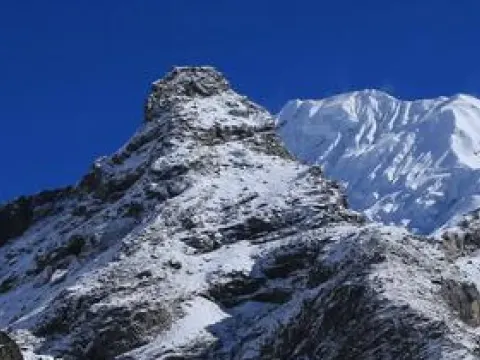
Lobuche Peak Climbing with Trail Mania Trek is an exciting Himalayan adventure that combines the classic Everest Base Camp trekking route with the challenge of reaching a 6,119-meter summit. The itinerary provided takes you from Kathmandu through Lukla, Phakding, Namche Bazaar, Tengboche, Dingboche, Lobuche, and Gorak Shep, allowing gradual acclimatization before the climbing phase. You will visit Everest Base Camp and Kala Patthar before returning to Lobuche for the high-camp and summit preparation. Lobuche East is the commonly climbed summit and is classified as a trekking peak, although the climb itself involves genuine mountaineering skills, including glacier travel, crampon use, fixed ropes and steep snow or ice sections.Trail Mania Trek designs the journey to balance trekking, acclimatization and climbing. The acclimatization days at Namche and Dingboche are particularly important because the itinerary reaches elevations above 5,000 meters before the summit attempt. After the summit, the route descends through Pangboche and Namche before returning to Lukla for the flight to Kathmandu. The summit offers exceptional views of Everest, Lhotse, Nuptse, Ama Dablam, Pumori and the surrounding Khumbu landscape.Summit Lobuche East at approximately 6,119 meters.Trek through the famous Everest region.Visit Everest Base Camp and Kala Patthar.Experience Sherpa villages, monasteries, and Himalayan culture.Learn and apply basic mountaineering techniques.Enjoy panoramic views of the world's highest mountain region.Best Season for Lobuche Peak ClimbingThe best seasons for Lobuche Peak Climbing with Trail Mania Trek are generally spring and autumn, when Himalayan weather is more favorable for trekking and climbing. Spring, particularly April and May, offers comparatively stable conditions, longer daylight hours, and generally good visibility. The post-winter period can also provide suitable snow conditions for climbing, while temperatures are usually more manageable than during the coldest winter months. These characteristics make spring one of the preferred periods for attempting a 6,000-meter Himalayan peak.Autumn, especially October and November, is another excellent period. After the summer monsoon, the atmosphere often becomes clearer, giving trekkers spectacular views of Everest and the surrounding peaks. Trails are generally drier, and mountain visibility can be excellent. Trail Mania Trek can plan the itinerary around the preferred climbing window while allowing flexibility for mountain weather. Although climbing can technically be organized outside the main seasons, winter brings extreme cold and shorter days, while the monsoon period can bring rain at lower elevations and less predictable mountain conditions. The main seasonal advantages are:Spring: March to May, with April and May particularly favorable.Autumn: September to November, with October and November especially popular.Clearer mountain views during the main trekking seasons.Better conditions for trekking and summit preparation.Longer daylight in spring helps during climbing activities.Weather and route conditions should always be assessed locally before the summit attempt.Lobuche Peak Climbing Difficulty and TransportationLobuche Peak is a demanding Himalayan climbing objective rather than an ordinary trekking destination. Although Lobuche East is officially categorized as a trekking peak, the ascent can involve steep snow and ice, mixed rock terrain, fixed ropes, crampons, an ice axe, and exposure on higher sections. The summit push can be physically demanding because climbers are operating at elevations approaching 6,119 meters. Previous high-altitude trekking or climbing experience is beneficial, while good cardiovascular fitness, endurance and familiarity with basic mountaineering techniques are strongly recommended.The transportation component begins with a flight from Kathmandu to Lukla, the principal gateway to the Everest region. From Lukla, the journey continues primarily on foot through Phakding, Namche Bazaar, Tengboche, Dingboche and Lobuche. There are no conventional road connections along the main trekking route, so trekking, porter support and local logistics are essential. After completing the climb, you descend to Lukla and take a return flight to Kathmandu. Trail Mania Trek coordinates the transportation arrangements and trekking logistics as part of the overall expedition planning.Important difficulty and transportation considerations:High-altitude trekking and climbing experience is advantageous.Strong physical fitness and endurance are required.Crampon and fixed-rope skills are important for the summit section.Kathmandu–Lukla flights can be affected by mountain weather.Most movement beyond Lukla is on foot.A flexible schedule is valuable because Himalayan conditions can change quickly.Food and Accommodation for Lobuche Peak ClimbingFood and accommodation are important parts of maintaining energy throughout the Lobuche Peak adventure. During the trekking section, Trail Mania Trek generally organizes accommodation in comfortable local teahouses or lodges along the Everest route. Facilities become increasingly basic as altitude increases, particularly around Lobuche and the climbing camps. In the lower villages, trekkers can usually expect dining rooms, shared facilities and a range of traditional and international meals, while higher elevations have fewer choices and more basic amenities.Meals should provide sufficient carbohydrates, protein and calories for long trekking days and the summit attempt. Common trekking foods include dal bhat, rice, vegetables, noodles, pasta, potatoes, soups, eggs, bread and other simple dishes. Hot drinks such as tea and coffee are also commonly available. During the climbing phase, camping arrangements may be required at Base Camp or High Camp, depending on the exact operational plan. At these higher camps, meals are prepared by the climbing support team and focus on easily digestible, energy-rich foods. Similar Lobuche itineraries commonly use a combination of hotel, teahouse and camping accommodation. Typical arrangements include:Kathmandu: comfortable hotel accommodation.Trekking route: teahouses or mountain lodges.Higher climbing section: tented/camp accommodation where required.Breakfast, lunch and dinner during trekking and climbing days.Dal bhat and other nutritious local meals.Hot drinks and hydration support at available lodges and camps.Food arrangements adapted to the demanding summit day.Lobuche Peak Climbing PermitsLobuche Peak Climbing requires the appropriate climbing and trekking permissions before entering the climbing route. For Lobuche East, the peak-specific permit is associated with the Nepal Mountaineering Association (NMA), while trekkers also need the permits applicable to the Everest/Khumbu region. Current sources identify the NMA peak permit, Sagarmatha National Park entry permit, and the Khumbu Pasang Lhamu Rural Municipality permit among the principal permissions used for this journey.Permit fees and regulations can change according to season and government or regulatory decisions, so Trail Mania Trek can arrange and verify the required documentation before departure. Current published 2026 information lists different NMA peak-permit rates according to season, with spring carrying a higher fee than autumn and the off-season. Because regulations and charges can change, travelers should confirm the final permit costs and inclusions with Trail Mania Trek when booking rather than relying on older figures. Common permit requirements include:NMA permit for Lobuche East climbing.Sagarmatha National Park entry permit.Khumbu Pasang Lhamu Rural Municipality permit.Required trekking and climbing documentation.Properly registered trekking/climbing agency arrangements.Permit verification before beginning the climbing phase.Why Choose Lobuche Peak Climbing with Trail Mania TrekChoosing Lobuche Peak Climbing with Trail Mania Trek gives adventure travelers an opportunity to combine the iconic Everest Base Camp experience with a genuine Himalayan climbing objective. Instead of simply trekking to Base Camp, the itinerary continues toward a 6,000-meter summit, creating a more challenging and rewarding expedition. The route also incorporates acclimatization at Namche Bazaar and Dingboche, followed by Everest Base Camp and Kala Patthar before the climbing phase. This progressive approach helps climbers become accustomed to increasing altitude before attempting the summit.Another major attraction is the variety of experiences included in one journey. You experience Lukla's mountain environment, Sherpa settlements, Buddhist monasteries, the Khumbu Glacier landscape, Everest Base Camp and the spectacular summit panorama from Lobuche East. Trail Mania Trek can support the practical aspects of the journey, including trekking logistics, accommodation, meals, permits, transportation arrangements and climbing coordination. The summit, however, is always dependent on weather, snow conditions, individual health, acclimatization and the professional team's safety assessment; no responsible operator can guarantee a summit.Reasons to choose this adventure include:Combination of Everest Base Camp trekking and peak climbing.Summit objective at approximately 6,119 meters.Carefully structured acclimatization itinerary.Experience of authentic Khumbu and Sherpa culture.Outstanding views of Everest and neighboring Himalayan peaks.Professional logistical support from Trail Mania Trek.A challenging progression from trekking into mountaineering.An unforgettable Himalayan adventure designed for properly prepared climbers
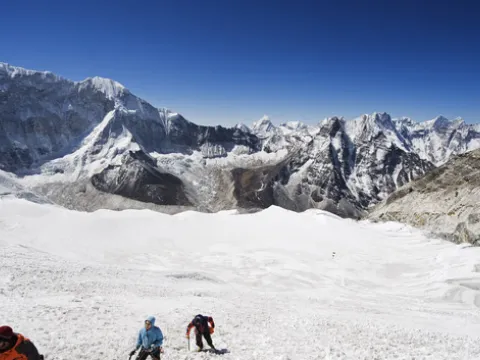
Island Peak Climbing is one of Nepal’s most popular Himalayan climbing adventures, combining the classic Everest region trekking experience with an exciting introduction to high-altitude mountaineering. Known locally as Imja Tse, Island Peak rises to 6,189 m (20,305 ft) and offers spectacular views of Lhotse, Nuptse, Ama Dablam, Makalu, and other Himalayan giants. The itinerary you provided is designed as an extended 18-day journey, allowing trekkers to acclimatize gradually while exploring the Everest region before attempting the summit.The journey begins in Kathmandu and continues with a flight to Lukla, followed by trekking through Phakding, Namche Bazaar, Tengboche, Dingboche, Lobuche, and Gorakshep. After experiencing Kala Patthar, the route crosses Khongma La Pass toward Chhukung before heading to Island Peak Base Camp. The summit day is the major highlight, followed by a descent through Pangboche and Namche Bazaar to Lukla.Maximum climbing altitude: 6,189 m / 20,305 ftTrekking region: Everest / KhumbuMajor highlights: Kala Patthar, Khongma La, and Island Peak SummitStarting point: LuklaSummit objective: Island Peak (Imja Tse)Recommended for: Experienced trekkers and aspiring climbersWith Trail Mania Trek, climbers can undertake the journey with planned acclimatization, experienced guides, logistical support, and appropriate preparation for the summit attempt.Best Season for Island Peak ClimbingThe best seasons for Island Peak Climbing are generally spring (March to May) and autumn (September to November). During these periods, the weather in the Everest region is comparatively stable, visibility is usually excellent, and temperatures are more favorable for high-altitude trekking and climbing. Spring is particularly attractive because the surrounding hills and lower valleys can be colorful with blooming rhododendrons, while autumn generally provides crisp mountain views and stable trekking conditions.Winter can bring very cold temperatures, snowfall, and challenging conditions at higher elevations, while the monsoon months of June through August can produce rain, clouds, muddy trails, and flight disruptions around Lukla. However, experienced climbers with suitable equipment and flexibility may still consider less conventional seasons depending on current mountain conditions.Spring: March to MayAutumn: September to NovemberWinter: Very cold and potentially snowyMonsoon: Wet conditions and reduced visibilityBest climbing conditions: Stable weather and good mountain visibilityTrail Mania Trek can help select an appropriate departure period according to weather patterns, route conditions, climbing experience, and the desired trekking experience.Island Peak Climbing Difficulty and TransportationIsland Peak Climbing is considered a challenging high-altitude adventure rather than an ordinary trekking trip. The route involves long walking days, significant elevation gain, steep terrain, and a demanding summit attempt above 6,000 meters. Prior trekking experience at high altitude is strongly recommended. The summit section can involve snow and ice, fixed ropes, crampons, harnesses, and basic mountaineering techniques, depending on conditions.Transportation is also an important part of the expedition. The standard route starts with a flight from Kathmandu to Lukla, followed by trekking through the Khumbu Valley. After completing the climbing and trekking section, the group returns to Lukla for the flight back to Kathmandu. Lukla flights are highly dependent on weather and operational conditions, so some flexibility should be maintained in the itinerary.Kathmandu–Lukla: Domestic mountain flightLukla–Kathmandu: Return domestic flightMain transportation during trek: WalkingSummit equipment: Depending on route and conditionsDifficulty: Challenging / technical high-altitude climbImportant preparation: Endurance, acclimatization, and climbing skillsTrail Mania Trek's guides can provide guidance on pacing, acclimatization, technical preparation, and summit-day procedures to help climbers approach the mountain safely and confidently.Food and Accommodation for Island Peak ClimbingFood and accommodation on the Island Peak route are primarily provided through teahouses and lodges during the trekking portion. Meals generally include familiar Nepali and Himalayan trekking foods such as dal bhat, rice, noodles, pasta, soup, potatoes, vegetables, eggs, bread, and other simple dishes. As altitude increases, maintaining adequate hydration and consuming enough carbohydrates and calories becomes increasingly important.Accommodation becomes progressively more basic as the route moves toward the higher elevations. In Namche Bazaar and other major villages, trekkers can usually find comfortable teahouse rooms and dining facilities. At higher locations such as Lobuche, Gorakshep, and Island Peak Base Camp, facilities are more limited. The base-camp experience generally involves expedition-style camping or arrangements appropriate to the climbing program.Teahouse accommodation during most trekking daysCamping/expedition arrangements around climbing areasDal bhat and rice-based mealsNoodles, pasta, soup, potatoes, eggs, and vegetablesHot drinks and drinking-water optionsBasic facilities at higher elevationsTrail Mania Trek organizes the accommodation and meal arrangements according to the itinerary and local availability, while climbers should remain prepared for increasingly simple facilities as they approach Island Peak.Island Peak Climbing PermitsIsland Peak Climbing requires several permits and official permissions because the route passes through the Everest region and involves climbing a designated Himalayan peak. The exact requirements and fees can change according to Nepal's regulations, season, and applicable local authorities. Climbers should therefore confirm the current requirements before departure.For an itinerary such as this, required documentation can include an Island Peak climbing permit, Everest region conservation-area documentation, and applicable local entry permits. Depending on the current regulations and route, additional administrative requirements may apply. A reputable trekking company can handle much of the permit processing on behalf of the climbing group.Island Peak climbing permitSagarmatha National Park entry permitKhumbu Pasang Lhamu Rural Municipality permitRequired trekking/climbing documentationGuide and expedition administrationCurrent government and local feesTrail Mania Trek can assist with the permit process and related administrative arrangements so climbers can concentrate more on preparation, acclimatization, and the climbing experience.Why Choose Island Peak Climbing with Trail Mania TrekChoosing Island Peak means experiencing much more than a mountain summit. The journey combines the cultural atmosphere of the Khumbu, legendary Everest-region trails, spectacular Himalayan scenery, high-altitude acclimatization, and a genuine mountaineering challenge. Reaching Island Peak Base Camp and progressing toward the summit provides trekkers with an opportunity to develop practical climbing experience while surrounded by some of the world's most impressive mountains.Trail Mania Trek is a suitable choice for travelers looking for organized trekking and climbing support throughout the expedition. The company can coordinate transportation, permits, accommodation, meals, guides, climbing logistics, and itinerary management. The carefully staged itinerary with acclimatization days in Namche Bazaar and Dingboche and time for the Everest-region approach also allows climbers to adapt gradually to increasing altitude.Experienced trekking and climbing supportStructured acclimatization itineraryPermit and logistics assistanceAccommodation and meal coordinationLukla flight arrangementsHigh-altitude trekking guidanceIsland Peak summit supportFocus on responsible and well-organized adventureFor climbers seeking a demanding but rewarding introduction to Himalayan mountaineering, Island Peak Climbing with Trail Mania Trek offers a memorable combination of trekking, cultural exploration, high-altitude adventure, and summit achievement.
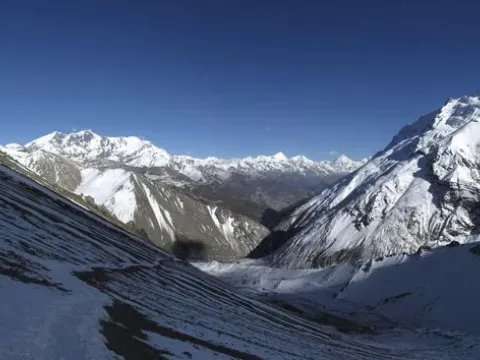
Pisang Peak Climbing is an exciting Himalayan adventure that combines the famous Annapurna Circuit trekking experience with the challenge of climbing a 6,091-meter (19,985-foot) Himalayan peak. Organized by Trail Mania Trek, this 18-day journey begins in Kathmandu and follows the scenic route through Jagat, Dharapani, Chame, and Upper Pisang before reaching Pisang Peak Base Camp. The itinerary is designed to provide gradual altitude gain, preparation, acclimatization, and a dedicated summit attempt.The journey offers a remarkable variety of landscapes, from green valleys and forests to high-altitude alpine terrain, while also providing opportunities to experience traditional Himalayan villages and local culture. After the summit attempt, the adventure continues toward Manang, Yak Kharka, Thorong Phedi, and the spectacular Thorong La Pass at 5,416 meters. The trek then descends toward Muktinath and Jomsom before flying to Pokhara and returning to Kathmandu.Duration: 18 daysPisang Peak elevation: 6,091m / 19,985ftPisang Peak Base Camp: 4,380mHigh Camp: 5,400mThorong La Pass: 5,416mHighest point: Pisang Peak summitCompany: Trail Mania TrekA major advantage of this itinerary is that climbers receive both preparation and acclimatization days in Upper Pisang before approaching the mountain. The training day allows the climbing team to prepare equipment and review essential techniques, while the acclimatization day helps the body adjust to the increasing elevation.For adventurous travelers, Pisang Peak provides an excellent opportunity to experience Himalayan peak climbing without making the expedition entirely separate from a classic trekking route. The combination of mountaineering, high-altitude trekking, cultural encounters, and spectacular mountain scenery makes this a memorable adventure with Trail Mania Trek.Best Season for Pisang Peak ClimbingThe best seasons for Pisang Peak Climbing are generally spring (March to May) and autumn (September to November). These months are favored because the weather in the Himalayas is usually more stable, mountain visibility is often excellent, and trekking conditions are generally more comfortable. Spring brings pleasant conditions at lower elevations and beautiful blooming vegetation, while autumn commonly provides crisp skies and impressive views of the surrounding Annapurna peaks.Weather conditions become increasingly important as the itinerary moves above 4,000 meters. The summit section at 6,091 meters can involve freezing temperatures, strong winds, snow, and rapidly changing conditions. Trail Mania Trek includes a contingency day in the itinerary, giving the climbing team some flexibility if weather or mountain conditions make the planned summit day unsuitable.Spring: March, April, and MayAutumn: September, October, and NovemberBest visibility: Often during autumnWinter: Extremely cold at higher elevationsMonsoon: Wet conditions can affect lower sectionsAlthough spring and autumn are considered the most suitable periods, Himalayan weather can never be guaranteed. Conditions should be evaluated locally before the summit attempt, and the climbing leader's judgment should take priority over a fixed schedule.Trail Mania Trek can help travelers select a suitable departure period according to their climbing experience, schedule, and preferred conditions. Choosing an appropriate season can improve trekking comfort and mountain visibility while increasing the possibility of having favorable conditions for the summit attempt.Pisang Peak Climbing Difficulty and TransportationPisang Peak Climbing is a challenging high-altitude adventure that requires good physical fitness, endurance, and mental preparation. The summit reaches 6,091 meters, and climbers must cope with low oxygen levels, cold temperatures, steep terrain, snow, and potentially unpredictable mountain weather. Previous experience with high-altitude trekking is strongly beneficial, while basic mountaineering knowledge can make the climbing experience more manageable.The itinerary allows time for preparation and acclimatization before the summit. After reaching Upper Pisang, climbers have a preparation and training day followed by an acclimatization day. The route then progresses to Base Camp at 4,380 meters and High Camp at 5,400 meters before the summit attempt. Depending on conditions, climbing equipment and techniques may include crampons, ropes, harnesses, ice axe use, and other mountaineering equipment.Difficulty: ChallengingSummit altitude: 6,091mHigh Camp: 5,400mTraining day: Upper PisangAcclimatization: Upper PisangContingency day: IncludedSummit day: Approximately Base Camp to summit and returnTransportation is an important part of the overall expedition. The adventure begins with a road journey from Kathmandu to Jagat, after which most of the journey is completed on foot. The trekking route passes through Dharapani, Chame, Upper Pisang, Pisang Peak Base Camp, Manang, Yak Kharka, and Thorong Phedi.After crossing Thorong La Pass, the itinerary continues to Muktinath and Jomsom. From Jomsom, travelers fly to Pokhara and then travel by road from Pokhara to Kathmandu. Road and flight operations in mountainous regions can sometimes be affected by weather or local conditions, so flexibility is important. Trail Mania Trek coordinates the transportation arrangements according to the itinerary and prevailing conditions.Food and Accommodation for Pisang Peak ClimbingFood and accommodation play an important role in maintaining energy and recovering properly during a demanding high-altitude expedition. During the trekking sections of the journey, accommodation is generally provided in local teahouses or mountain lodges. These establishments offer basic but comfortable facilities, allowing trekkers to rest after long days on the trail.Meals along the Annapurna route commonly include traditional Nepali food as well as several familiar international dishes. Dal bhat, rice, lentils, vegetables, noodles, pasta, potatoes, soups, eggs, bread, and other locally available foods are common choices. Since higher-altitude settlements are more remote, food variety may become more limited as the trek approaches Base Camp and High Camp.Main meal: Dal bhat, rice, lentils, and vegetablesOther meals: Noodles, pasta, soup, potatoes, eggs, and breadAccommodation: Teahouses and mountain lodgesHigher camps: Basic camping-style arrangementsHydration: Essential throughout the trekAt Pisang Peak Base Camp and High Camp, facilities are considerably more basic than in the lower villages. Climbers should be prepared for cold nights, limited washing facilities, and simple sleeping arrangements. A good-quality sleeping bag and appropriate high-altitude clothing are essential for maintaining warmth and comfort.Trail Mania Trek can also assist with meal and accommodation arrangements throughout the expedition. Climbers should inform the company about dietary requirements before departure. Maintaining regular meals and adequate hydration is particularly important at altitude, where the body uses significant energy even when appetite may decrease.Pisang Peak Climbing PermitsPisang Peak Climbing requires appropriate permits and official documentation because the journey involves climbing a recognized Himalayan peak and trekking through the Annapurna region. The required documentation may include the Pisang Peak climbing permit, Annapurna Conservation Area documentation, and other applicable trekking or local registrations. Trail Mania Trek assists clients with the necessary permit arrangements as part of the expedition preparation.Permit requirements, fees, and regulations can change according to government policies, season, and other official considerations. Therefore, climbers should obtain current information before departure rather than relying on outdated permit details. Trail Mania Trek can help ensure that the required documentation is prepared according to the regulations applicable to the planned climbing season.Pisang Peak climbing permitAnnapurna Conservation Area permitRequired trekking registrationPassport or identification documentsOther applicable local permissionsCarrying the correct documentation throughout the trek is important because permits may be checked at different points along the route. Climbers should also follow conservation-area rules and respect local communities, cultural traditions, and environmental guidelines.Proper permitting contributes to responsible and regulated tourism in the Annapurna region. By arranging permits and expedition logistics in advance, Trail Mania Trek helps climbers avoid unnecessary administrative difficulties and concentrate on preparation, trekking, acclimatization, and the summit objective.Why Choose Pisang Peak Climbing with Trail Mania TrekChoosing Trail Mania Trek for Pisang Peak Climbing provides an opportunity to experience a challenging Himalayan summit while following a comprehensive itinerary through the Annapurna region. The 18-day program is structured with preparation, training, acclimatization, a summit attempt, and a contingency day. This gradual approach is important for adapting to altitude and preparing for the demanding conditions encountered above 5,000 meters.The adventure is also much more than a peak-climbing expedition. The route combines Pisang Peak with some of the most impressive sections of the Annapurna Circuit, including Manang Valley and Thorong La Pass. Travelers can experience dramatic mountain landscapes, traditional villages, Buddhist cultural influences, alpine scenery, and the contrasting environments found on both sides of the Annapurna range.18-day comprehensive itineraryPreparation and training dayDedicated acclimatization dayContingency day for the summitPisang Peak summit at 6,091mThorong La Pass crossingPermit and logistical assistanceProfessional trekking and climbing supportTrail Mania Trek focuses on organizing the practical elements of the journey, including transportation, accommodation, meals, permits, route planning, and climbing logistics. The preparation day in Upper Pisang provides an opportunity to review equipment and climbing procedures before entering the higher mountain environment.Ultimately, Pisang Peak Climbing with Trail Mania Trek is an ideal choice for adventurous travelers seeking a combination of Himalayan trekking and mountaineering. With proper preparation, suitable equipment, realistic expectations, appropriate acclimatization, and professional guidance, the journey offers the opportunity to reach a 6,091-meter summit while experiencing the spectacular landscapes and culture of the Annapurna region.
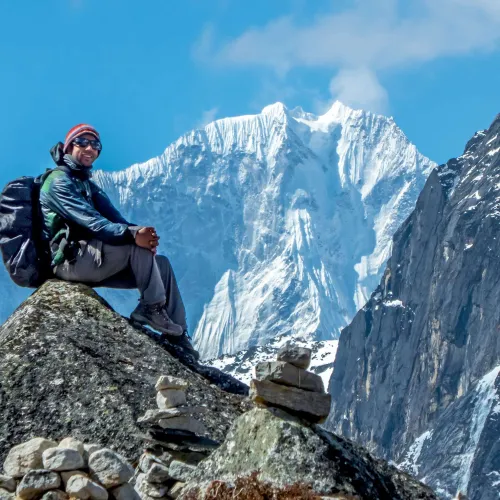
Share your travel dreams with us and we will create a customized itinerary that matches your preferences and budget.