The Everest Three Pass Trek is one of the most spectacular and challenging adventures in the Everest region, taking trekkers across three high mountain passes: Kongma La (5,535 m), Cho La (5,420 m), and Renjo La (5,360 m). Organized by Trail Mania Trek, this journey combines dramatic Himalayan landscapes, traditional Sherpa villages, ancient monasteries, glacial terrain, and panoramic views of Everest and surrounding peaks.
Unlike the classic Everest Base Camp route, the Three Pass Trek follows a more demanding circuit through remote valleys and high-altitude passes. Trekkers should be prepared for long walking days, steep ascents and descents, rocky trails, snow and ice conditions, and rapidly changing mountain weather.
What to expect:
The Everest Three Pass Trek is designed for adventurous trekkers who want to experience more than the standard Everest Base Camp trail. The route passes through some of the most dramatic areas of the Khumbu, connecting the valleys of Imja, Khumbu, and Gokyo while crossing three formidable passes.
With Trail Mania Trek, the itinerary allows time for acclimatization at Namche Bazaar and Dingboche before tackling the highest sections of the trek. The combination of challenging terrain and carefully planned altitude progression helps trekkers adapt while enjoying the extraordinary scenery of the Everest region.
The trek is physically demanding, but the rewards are equally impressive. Each pass offers a different perspective of the Himalayas, while the quieter trails provide a sense of remoteness that is difficult to find on the busier Everest Base Camp route.
The adventure begins in Kathmandu before a scenic flight to Lukla. From Lukla, the trail gradually climbs through Phakding and Namche Bazaar before continuing toward Tengboche and Dingboche. These lower sections provide an opportunity to become familiar with the terrain and progressively increasing altitude.
From Dingboche, the route becomes significantly more demanding. The itinerary climbs toward Chhukung and Chhukung Ri before crossing Kongma La, continuing toward Lobuche and Everest Base Camp. After visiting Kala Patthar, the trail turns toward Dzongla and crosses Cho La into the beautiful Gokyo Valley. Finally, the route crosses Renjo La before descending toward Namche Bazaar and returning to Lukla.
Major highlights along the route:
Kongma La is the first major pass on the Three Pass Trek and one of its toughest sections. At around 5,500 m, the pass involves a substantial elevation gain and can be particularly demanding because of the thin air, steep terrain, and potentially snowy conditions.
The approach from the Chhukung side takes trekkers through rugged high-altitude landscapes. Depending on the season and weather, the trail can include loose rocks, snow, and icy sections. Reaching the top of Kongma La provides a tremendous feeling of achievement, with expansive views of surrounding Himalayan peaks.
What makes Kongma La challenging:
The crossing of Kongma La is more than simply reaching a high point; it is an immersive Himalayan experience. The landscape becomes increasingly barren as vegetation disappears, leaving behind rocky slopes, glaciers and snow-covered mountains. The demanding ascent requires a steady pace and careful energy management.
From the pass, trekkers can enjoy impressive views toward peaks and glaciers of the Everest region. The descent toward Lobuche brings another dramatic change in scenery, eventually reconnecting with the Khumbu Valley and the trail leading toward Everest Base Camp.
During the crossing, expect:
Cho La is the second major pass and connects the Everest region around Dzongla with the Gokyo Valley. At approximately 5,420 m, it is another demanding high-altitude crossing and is particularly famous for its glacial landscape.
The approach to Cho La can involve steep rocky trails and, depending on conditions, snow and ice. Trekkers must negotiate uneven terrain carefully before reaching the pass. The surrounding mountains and frozen landscapes create one of the most memorable sections of the entire journey.
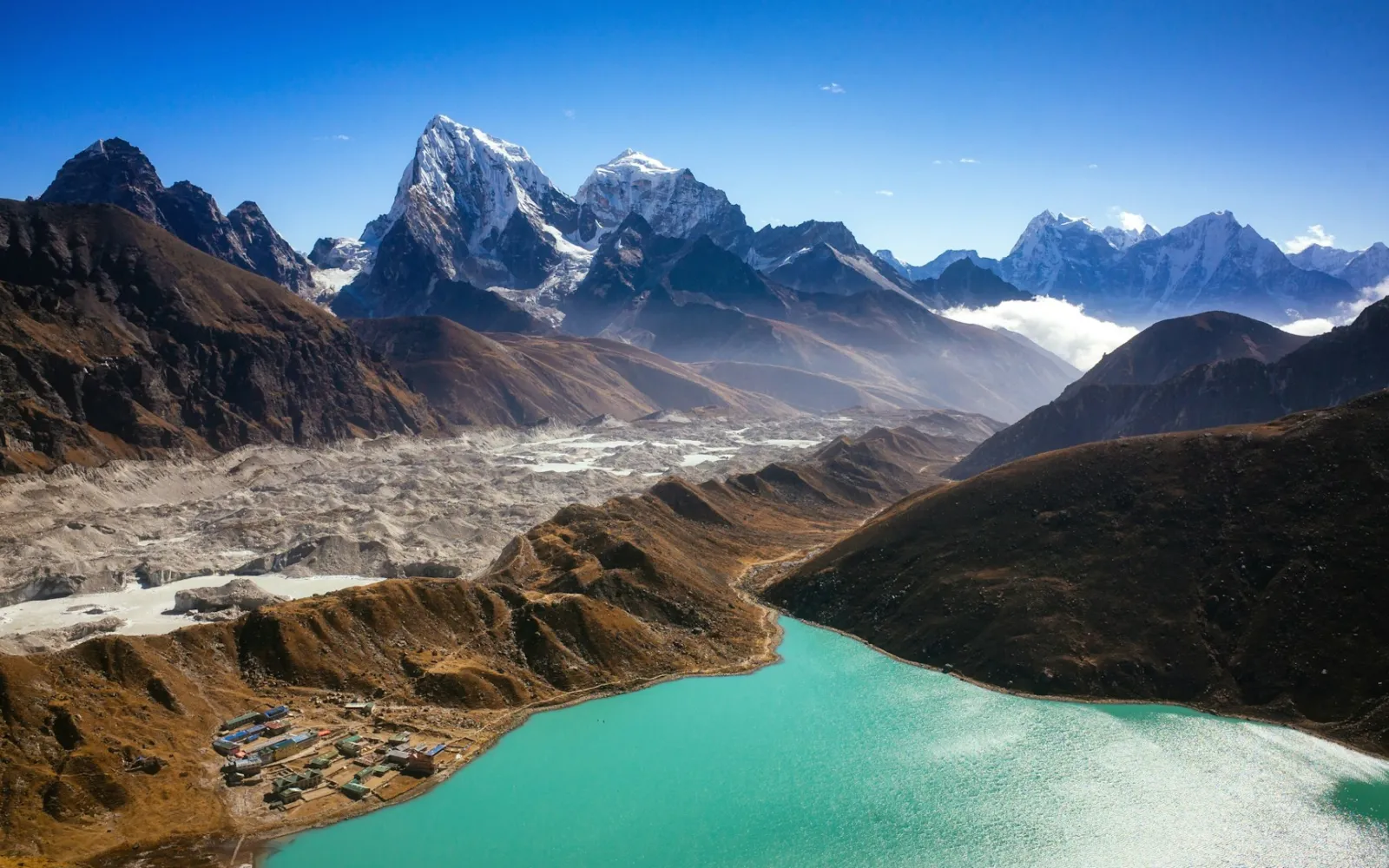
After crossing Cho La, the trail descends toward the Gokyo Valley, where the scenery changes dramatically. The turquoise Gokyo Lakes and surrounding peaks provide a striking contrast to the rugged terrain of the pass.
Highlights of Cho La:
Crossing Cho La Pass (5,420 m) is one of the most exciting and challenging sections of the Everest Three Pass Trek with Trail Mania Trek. The trail from Dzongla climbs steadily through rugged high-altitude terrain before reaching the pass. Depending on the season and weather, trekkers may encounter snow, ice, and slippery sections, making careful footing and a steady pace essential.
The top of Cho La provides spectacular mountain scenery, with views of surrounding Himalayan peaks, glaciers, and the dramatic landscapes of the Khumbu and Gokyo regions. After crossing the pass, the trail descends toward the Gokyo Valley, where the scenery gradually changes from rocky highlands to the beautiful turquoise lakes around Gokyo.
What to expect:
Renjo La Pass (5,360 m) is the final major pass of the Three Pass Trek and offers some of the most impressive panoramic views of the journey. The route from Gokyo toward Renjo La gradually climbs through rugged mountain terrain before reaching the pass. Although demanding, the crossing can feel particularly rewarding because it represents the final major high-altitude challenge of the circuit.
From the top of Renjo La, trekkers can enjoy magnificent views across the Everest region, including Everest and numerous surrounding Himalayan peaks. The descent toward Lumde and eventually Namche Bazaar provides a gradual transition back to lower elevations and more comfortable trekking conditions.
Highlights of Renjo La:
Each of the three passes has its own character and trekking experience. Kongma La is generally associated with rugged terrain and a demanding first high-pass crossing. Cho La is particularly notable for its glacial and potentially icy sections, while Renjo La is famous for its broad panoramic views and scenic approach from the Gokyo region.
The three passes also create a diverse journey through different landscapes of the Everest region. With Trail Mania Trek, trekkers experience remote valleys, glaciers, high mountain lakes, Sherpa settlements and some of the finest viewpoints in the Khumbu within a single circuit.
Key differences:
Daily trekking on the Everest Three Pass route involves considerably more than walking on ordinary mountain trails. Some days are relatively moderate, particularly during the lower sections, while others involve long hours at high altitude with steep climbs and descents. Trekkers should expect to walk on rocky paths, stone steps, suspension bridges and uneven mountain trails.
The pace is generally kept steady rather than fast, allowing trekkers to conserve energy and adapt to the increasing altitude. Higher sections can take longer because of thinner air, and weather conditions may also affect the walking experience. Proper rest, hydration, and maintaining a comfortable pace are important throughout the trek.
Typical daily experience:
Altitude is one of the most important factors on the Everest Three Pass Trek. The journey begins in Kathmandu at approximately 1,400 m and gradually climbs toward elevations above 5,000 m. As the air becomes thinner, walking can feel significantly harder even when the trail itself is not particularly steep.
The itinerary includes acclimatization and rest periods at key locations such as Namche Bazaar and Dingboche. The Chhukung Ri climb and other gradual elevation gains also provide opportunities for the body to adjust before the highest sections of the trek. With Trail Mania Trek, trekkers should focus on gradual pacing, adequate hydration, nutritious meals, and listening carefully to their bodies.
What trekkers should expect:
Weather and trail conditions are important factors to consider on the Everest Three Pass Trek with Trail Mania Trek. Conditions can change quickly at high altitude, particularly around Kongma La, Cho La and Renjo La. Lower sections of the route may have relatively comfortable daytime temperatures, while the higher passes can be extremely cold, windy and exposed.
Trail conditions also vary according to the season. Trekkers may encounter rocky paths, loose stones, snow, ice and muddy sections. Crossing the passes requires patience and careful footing, especially when visibility is reduced or the trail is covered with snow.
What to expect:
Teahouses and lodges are the main forms of accommodation throughout the Everest Three Pass Trek. Popular settlements such as Namche Bazaar, Tengboche, Dingboche, Lobuche and Gokyo generally offer basic but comfortable facilities. As the route moves into more remote areas, accommodation becomes simpler, and facilities may be more limited.
Meals are typically based on familiar trekking foods such as dal bhat, noodles, soups, pasta, potatoes, eggs and bread. Hot drinks such as tea and coffee are also commonly available. Staying well-fed and hydrated is particularly important during the demanding high-altitude sections of the trek.
Accommodation and food expectations:
The Everest Three Pass Trek is a demanding Himalayan adventure and requires considerably more endurance than a standard Everest Base Camp itinerary. The greatest challenges come from high altitude, long trekking days, steep ascents and descents, and the remote nature of the three passes.
Kongma La, Cho La and Renjo La each require trekkers to reach elevations above 5,000 m. Weather can add another layer of difficulty, while snow and ice may make certain sections slower and more demanding. Trail Mania Trek recommends that trekkers prepare physically and mentally for sustained mountain walking before beginning the journey.
Major challenges include:
Good preparation can make a significant difference on the Everest Three Pass Trek. Trekkers should build cardiovascular endurance and leg strength before departure, with regular hiking, stair climbing, walking, or other endurance activities. Practicing with a loaded daypack can also help prepare for the physical demands of the route.
Packing should focus on warmth, comfort, protection from changing weather, and keeping the overall load manageable. Proper trekking boots, warm layers, gloves, a hat, rain protection and a suitable sleeping bag are particularly important for the high-altitude sections.
Essential preparation and packing:
The Everest Three Pass Trek is an excellent choice for trekkers looking for a challenging and comprehensive adventure in the Everest region. The combination of Kongma La, Cho La and Renjo La, Everest Base Camp, Kala Patthar, Chhukung Ri, Gokyo Ri and the spectacular Himalayan scenery makes this route exceptionally rewarding.
However, it is not an easy trek. The high elevations, long walking days, changing weather and demanding mountain passes require preparation, determination and good physical fitness. If you enjoy challenging trails and want to explore the Everest region beyond the standard route, the Three Pass Trek with Trail Mania Trek can provide an unforgettable Himalayan experience.
The trek may be right for you if you:
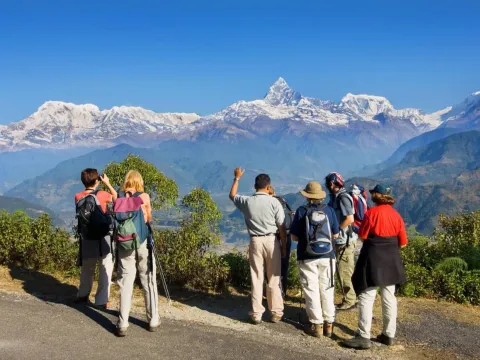
Nepal is widely recognized as one of the world’s ultimate trekking destinations, offering routes that range from iconic high-altitude journeys to hidden cultural trails. Each trekking route presents a unique combination of Himalayan scenery, ethnic diversity, and adventure intensity, making Nepal suitable for trekkers of all experience levels.
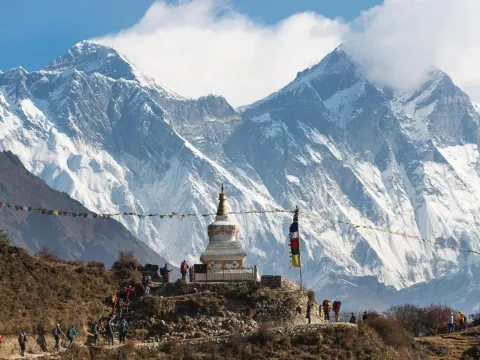
The Everest Base Camp Trek is one of the most iconic trekking experiences in the world, taking you deep into the heart of the Himalayas. This journey combines breathtaking mountain scenery, rich Sherpa culture, and a physically challenging but deeply rewarding trekking route. With proper preparation, guidance, and pacing, trekkers can complete this adventure and stand at the base of the world’s highest peak.