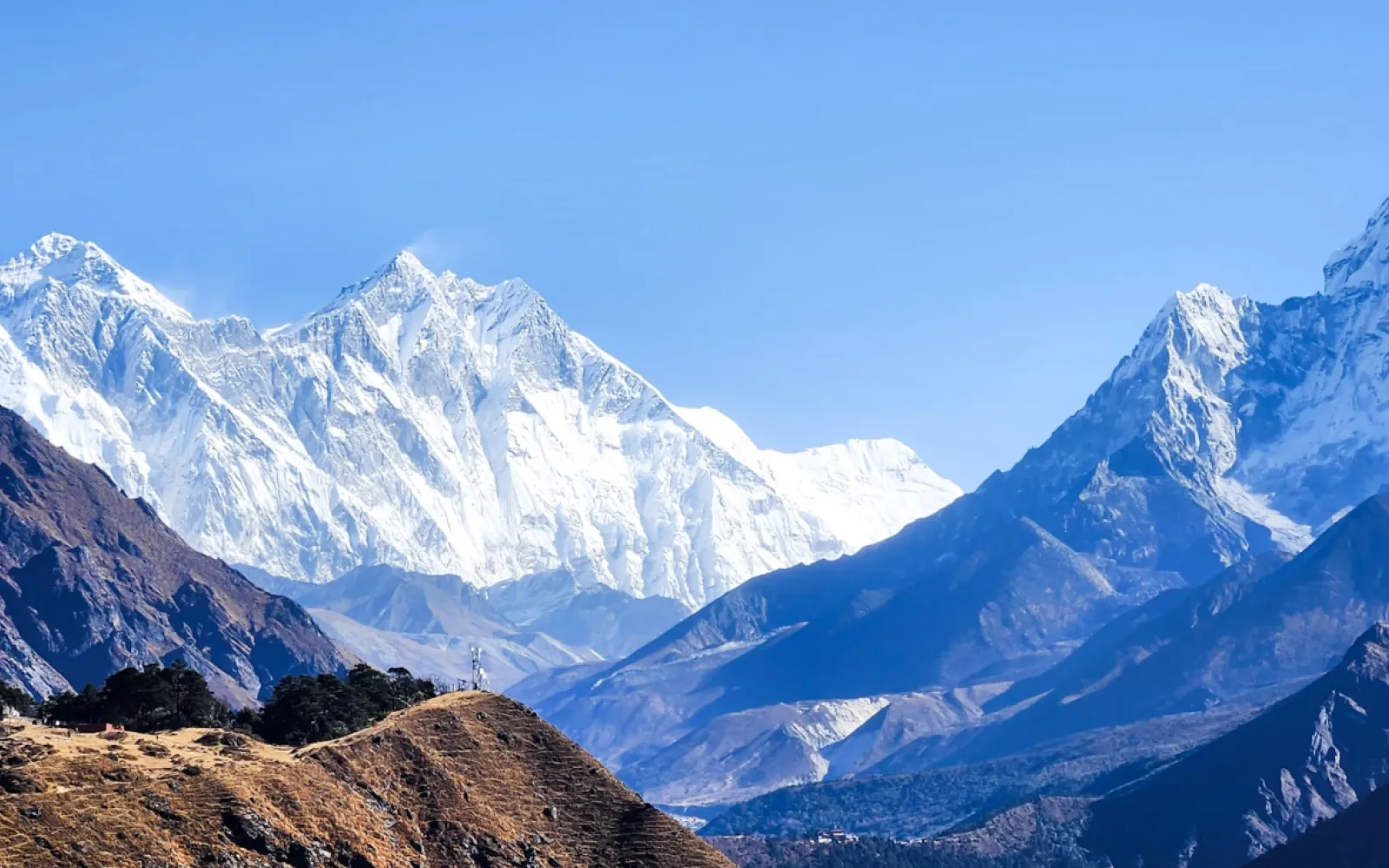
Everest Region
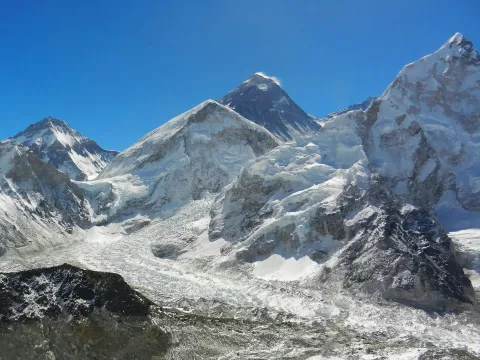
The Everest Base Camp Trek is one of the most iconic high-altitude trekking adventures in the world, taking trekkers deep into the heart of the Khumbu region of Nepal. Operated by Trail Mania Trek, this journey offers a structured 15-day itinerary that combines cultural immersion, Himalayan landscapes, and gradual altitude gain to safely reach Everest Base Camp at 5,364 meters. The trek begins in Kathmandu and transitions through Lukla, Phakding, Namche Bazaar, Tengboche, Dingboche, Lobuche, and finally Gorak Shep before reaching the base of the world’s highest peak.This trek is not just about reaching Everest Base Camp; it is about experiencing Sherpa culture, Buddhist monasteries, suspension bridges, glacier valleys, and panoramic views of Everest, Lhotse, Ama Dablam, and Nuptse. Trail Mania Trek ensures proper acclimatization days in Namche Bazaar and Dingboche, which are critical for reducing altitude sickness risk and improving success rates.The route is carefully designed for both adventure and safety, making it suitable for trekkers with moderate fitness levels who are prepared for long walking days and high-altitude conditions.Iconic Everest Base Camp (5,364 m)Scenic Lukla flight experienceSherpa culture in Namche BazaarViews from Kala Patthar (5,545 m)Glacier and Himalayan landscapesBest Season for Everest Base Camp TrekThe best seasons for the Everest Base Camp Trek organized by Trail Mania Trek are spring (March to May) and autumn (September to November). These months offer the most stable weather conditions, clear mountain views, and safer trekking routes. During spring, the trail is decorated with blooming rhododendrons and moderate temperatures, while autumn provides crisp air and excellent visibility after the monsoon season.Winter (December to February) is also possible but extremely cold at higher altitudes, especially around Lobuche and Gorak Shep. Monsoon season (June to August) is generally avoided due to heavy rain, slippery trails, flight delays in Lukla, and limited visibility of the mountains.Trail Mania Trek carefully schedules departures during peak seasons to maximize safety and visibility, ensuring trekkers experience Everest in its clearest and most photogenic conditions.Seasonal summary:Spring: Best for flowers and stable weatherAutumn: Best for visibility and trekking comfortWinter: Cold but less crowdedMonsoon: Not recommended due to rain and landslidesEverest Base Camp Trek Difficulty and TransportationThe Everest Base Camp Trek is considered moderately challenging to difficult, mainly due to altitude rather than technical climbing. Trail Mania Trek designs the itinerary with gradual elevation gain, but trekkers still walk 5–7 hours daily over uneven terrain, stone steps, and high-altitude landscapes. The main challenge is reduced oxygen levels above 3,500 meters, especially after Namche Bazaar.Transportation begins with a scenic domestic flight from Kathmandu to Lukla, one of the most thrilling airports in the world. This flight is weather-dependent and may experience delays. From Lukla onward, all travel is on foot until the return flight from Lukla back to Kathmandu.The trek requires good physical fitness, stamina, and mental endurance. No technical mountaineering skills are needed, but preparation such as cardio training, hiking practice, and altitude awareness is highly recommended.Difficulty & transport points:Moderate to strenuous trekking levelDaily 5–7 hours walkingNo technical climbing requiredFlight: Kathmandu ↔ Lukla (weather dependent)Walking is the primary mode of transport throughout trekFood and Accommodation for Everest Base Camp TrekDuring the Everest Base Camp Trek organized by Trail Mania Trek, accommodation is provided in local teahouses, which are simple mountain lodges run by Sherpa families. Rooms are usually twin-sharing with basic bedding. As altitude increases, facilities become more basic, especially beyond Dingboche and Lobuche, but they remain clean and safe.Meals are included or available in teahouses and consist of freshly prepared Nepali and international dishes. The most common meal is “Dal Bhat” (rice, lentils, vegetables), which provides high energy for trekking. Other options include noodles, pasta, soups, potatoes, eggs, and Tibetan bread. As altitude increases, menu variety reduces due to transportation limitations.Trail Mania Trek ensures hygienic food stops and recommends warm, energy-rich meals to maintain stamina and reduce altitude fatigue.Food & accommodation points:Teahouse accommodation throughout trekTwin-sharing basic roomsHot meals available at all stopsDal Bhat is the most energy-rich mealLimited variety at higher altitudesEverest Base Camp Trek PermitsTo complete the Everest Base Camp Trek, trekkers require several official permits, which are arranged by Trail Mania Trek to ensure a smooth and hassle-free experience. The main permits include the Sagarmatha National Park Entry Permit and the Khumbu Pasang Lhamu Rural Municipality Permit.These permits are mandatory for all foreign trekkers entering the Everest region. The national park permit helps support conservation efforts, while the local permit contributes to community development in the Khumbu region. All permit checks are conducted at entry points such as Monjo and other checkpoints along the trail.Trail Mania Trek handles all documentation in advance, ensuring trekkers do not face delays or administrative challenges during the journey.Permit essentials:Sagarmatha National Park Permit requiredKhumbu Rural Municipality Permit requiredIssued and managed by Trail Mania TrekChecked at multiple trekking checkpointsMandatory for all trekkersWhy Choose Everest Base Camp Trek with Trail Mania TrekChoosing the Everest Base Camp Trek with Trail Mania Trek ensures a well-organized, safe, and culturally enriching Himalayan experience. The company focuses on guided safety, proper acclimatization scheduling, experienced local guides, and personalized trekking support. This significantly increases comfort and success rates for reaching Everest Base Camp and Kala Patthar.Trail Mania Trek emphasizes responsible tourism, supporting local communities, and ensuring environmentally conscious trekking practices. Their guides are trained in altitude sickness management, emergency response, and cultural interpretation, making the journey both safe and informative.From airport pickup in Kathmandu to the final farewell dinner, every detail is carefully managed to reduce stress and maximize adventure.Why choose Trail Mania Trek:Experienced local guides and portersProper acclimatization planningFull permit and logistics managementSafe and structured 15-day itineraryStrong focus on responsible tourism
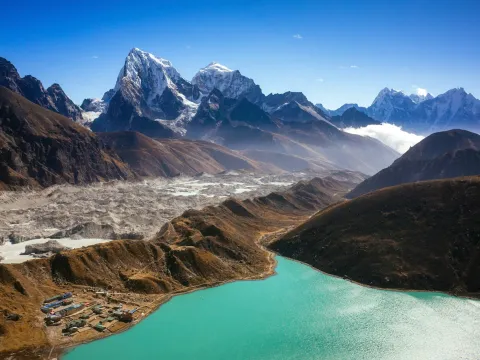
The Everest Three Pass Trek is one of the most adventurous and complete trekking routes in the Everest region of Nepal, combining high mountain passes, remote valleys, Sherpa culture, and iconic Himalayan views. Organized by Trail Mania Trek, this journey connects three major high passes—Kongma La, Cho La, and Renjo La—while also visiting highlights such as Everest Base Camp and Gokyo Lakes. The trek begins in Kathmandu, the capital of Nepal, and continues with a scenic flight to Lukla, the gateway to the Everest region.This itinerary is not just a trek but a full Himalayan expedition that takes you through famous settlements like Namche Bazaar, Tengboche, and Gorak Shep. Trekkers experience diverse landscapes ranging from lush pine forests and suspension bridges to icy glaciers and high-altitude deserts. The trek also offers cultural immersion with the Sherpa communities, ancient monasteries, and traditional Himalayan lifestyles.Cross three high Himalayan passes above 5,300mVisit Everest Base Camp and Kala Patthar viewpointExplore Gokyo Lakes and Ngozumpa GlacierExperience Sherpa culture in Namche Bazaar and TengbocheDesigned for experienced trekkers seeking adventureBest Season for Everest Three Pass TrekThe best time to complete the Everest Three Pass Trek with Trail Mania Trek is during the two main trekking seasons in Nepal: spring (March to May) and autumn (September to November). These months offer the most stable weather conditions, clear skies, and excellent mountain visibility, which are essential for crossing high passes like Kongma La and Cho La safely.During spring, the trails are filled with blooming rhododendrons and moderate temperatures, making the journey visually stunning and comfortable. Autumn, on the other hand, is the most popular season due to crystal-clear views of peaks like Mount Everest and Lhotse. Winter trekking is possible but extremely challenging due to heavy snowfall and freezing temperatures at high passes, while the monsoon season brings rain, slippery trails, and poor visibility.Seasonal Breakdown:Spring (Mar–May): Flowers, stable weather, good visibilityAutumn (Sep–Nov): Best views, safest conditionsWinter (Dec–Feb): Very cold, difficult high passesMonsoon (Jun–Aug): Wet, risky, not recommendedEverest Three Pass Trek Difficulty and TransportationThe Everest Three Pass Trek is considered a strenuous and high-altitude adventure trek, requiring excellent physical fitness, endurance, and prior trekking experience. With multiple passes above 5,300 meters, long walking days, and unpredictable mountain weather, trekkers must be well-prepared for altitude-related challenges. Acclimatization days in places like Dingboche and Namche Bazaar are essential for safety and success.Transportation begins with a domestic flight from Kathmandu to Lukla, one of the world’s most thrilling air routes. From there, all travel is on foot, with support from experienced guides and porters provided by Trail Mania Trek. Emergency helicopter evacuation is also available if needed, especially in high-altitude sections like Kongma La or Cho La Pass.The trek involves walking 6–8 hours daily, steep ascents, glacier crossings, and rocky terrain. Weather changes quickly, and altitude sickness is a real concern above 4,000 meters.Difficulty & Transport Points:Strenuous trekking with high-altitude passesRequires strong physical and mental enduranceFlight: Kathmandu → Lukla → KathmanduNo road transport beyond LuklaEmergency helicopter rescue availableFood and Accommodation for Everest Three Pass TrekDuring the Everest Three Pass Trek, Trail Mania Trek ensures comfortable teahouse accommodation and nutritious meals along the route. Lodges are available in all major stops such as Phakding, Namche Bazaar, Dingboche, Lobuche, and Gokyo. While facilities become more basic at higher altitudes, they provide warm hospitality and essential comfort for trekkers.Food options mainly include traditional Nepali meals like dal bhat (rice, lentils, and vegetables), as well as noodles, soups, potatoes, eggs, and Tibetan bread. In lower regions, international dishes such as pasta, pancakes, and fried rice are also available. As altitude increases, menu variety decreases due to transportation limitations.Accommodation is usually twin-sharing rooms with shared bathrooms. Heating is limited, so sleeping bags are recommended. Teahouses also serve as social hubs where trekkers gather around dining stoves in the evenings.Food & Accommodation Points:Teahouse lodging throughout the trekBasic but clean rooms at higher altitudesNutritious meals (dal bhat, soups, noodles)Limited menu above 4,000mWarm communal dining areas for social interactionEverest Three Pass Trek PermitsTo complete the Everest Three Pass Trek, trekkers need several official permits, which are arranged by Trail Mania Trek for a hassle-free experience. These permits are mandatory to enter the Everest region and to support conservation and local development efforts.The primary permits include the Sagarmatha National Park Entry Permit, which allows access to protected areas including Everest Base Camp and Gokyo region, and the Khumbu Pasang Lhamu Rural Municipality Permit, which replaces the old TIMS card system in the Everest region. These permits are checked at various checkpoints along the route, especially near Namche Bazaar.All permits must be carried throughout the trek, and your guide ensures proper documentation and compliance with local regulations.Permit Checklist:Sagarmatha National Park Entry PermitKhumbu Pasang Lhamu Rural Municipality PermitPassport and passport-size photos requiredManaged fully by Trail Mania TrekChecked at multiple trekking checkpointsWhy Choose Everest Three Pass Trek with Trail Mania TrekChoosing the Everest Three Pass Trek with Trail Mania Trek ensures a professionally guided, safe, and well-organized Himalayan adventure. This trek is not just about reaching Everest Base Camp but about exploring the complete Everest region through its three legendary high passes, offering unmatched panoramic views and cultural depth.Trail Mania Trek provides experienced mountain guides, safety-focused itineraries, proper acclimatization schedules, and emergency support, ensuring trekkers are well-prepared for high-altitude challenges. The company also emphasizes responsible trekking practices, supporting local communities in places like Namche Bazaar, Tengboche, and Gokyo Valley.This trek is ideal for adventure seekers who want a more challenging and less crowded alternative to the standard Everest Base Camp route. It combines physical challenge, natural beauty, and cultural immersion into one epic journey.Why Choose This Trek:Complete the Everest circuit via three high passesExpert guidance from Trail Mania Trek professionalsStrong safety and acclimatization planningCultural immersion in Sherpa villagesBest panoramic Himalayan views in Nepal
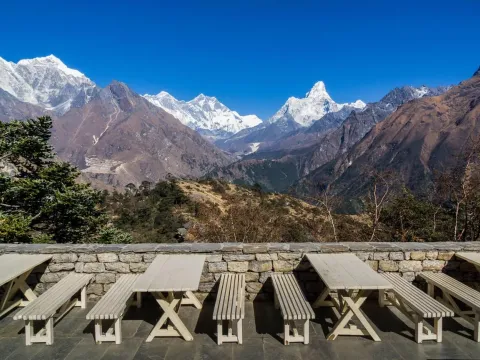
Everest View Trekking is one of the most popular short and scenic trekking adventures in the Everest region of Nepal, offering breathtaking Himalayan views without requiring a long and extremely challenging high-altitude journey. Organized by Trail Mania Trek, this trek is designed for travelers who want to experience the beauty of the Everest region, explore Sherpa culture, visit traditional mountain villages, and enjoy panoramic views of the world’s highest peaks, including Mount Everest, Ama Dablam, Lhotse, and Thamserku.The journey begins with a scenic mountain flight from Kathmandu or Manthali to Lukla, followed by trekking through beautiful landscapes of the Khumbu region. The trail passes through charming Sherpa settlements such as Phakding, Namche Bazaar, Khumjung Village, and Tengboche, allowing trekkers to experience the unique traditions and lifestyle of the Himalayan communities. One of the major highlights of this trek is the visit to Everest View Hotel, where trekkers can enjoy spectacular views of Everest and surrounding peaks.The Everest View Trek is perfect for beginners, families, senior travelers, and adventure seekers who have limited time but still want to experience the magic of the Everest region. With comfortable teahouse stays, moderate walking distances, and carefully planned itineraries, Trail Mania Trek ensures a safe, enjoyable, and memorable Himalayan experience.Scenic flight between Kathmandu/Manthali and LuklaFirst Himalayan experience in the Everest regionVisit to Namche Bazaar, the gateway to EverestPanoramic views from Everest View HotelExploration of traditional Sherpa villagesVisit to Tengboche MonasteryExperience of Himalayan culture and hospitalityStunning views of Everest, Lhotse, Ama Dablam, and other peaksBest Season for Everest View TrekkingChoosing the right season is very important for enjoying the best experience during the Everest View Trek. The Everest region can be visited throughout the year, but spring and autumn are considered the most favorable seasons due to stable weather, clear mountain views, and comfortable trekking conditions.The spring season (March to May) is one of the best times for Everest View Trekking. During this period, the weather is generally pleasant, the skies are clearer, and the forests along the trail become colorful with blooming rhododendron flowers. Trekkers can enjoy excellent views of snow-covered mountains while walking through beautiful valleys and villages.Autumn (September to November) is another ideal season and is considered the peak trekking period in Nepal. After the monsoon season, the air becomes fresh, visibility improves, and the Himalayan landscapes appear extremely clear. The comfortable temperatures and dry trails make autumn perfect for photography and mountain exploration.Winter (December to February) is also possible for experienced trekkers who enjoy peaceful trails and fewer crowds. However, temperatures can drop significantly, especially in the mornings and evenings. The monsoon season (June to August) brings rainfall and cloudy conditions, which may affect mountain visibility and flight operations.Best Seasons for Everest View Trek:Spring (March–May): Best mountain views and blooming forestsAutumn (September–November): Clear skies and excellent trekking conditionsWinter (December–February): Peaceful trails with colder weatherMonsoon (June–August): Possible but less recommended due to rain and cloudsEverest View Trekking Difficulty and TransportationEverest View Trekking is considered a moderate-level trekking adventure suitable for people with a basic level of fitness. Unlike longer Everest trekking routes that reach extreme altitudes, this trek follows a shorter itinerary with manageable walking hours. However, trekkers should be prepared for uphill and downhill sections, uneven mountain trails, and altitude changes.The highest point of the trek is around 3,880 meters at the Everest View Hotel area. Although the altitude is not extremely high compared to other Everest expeditions, proper acclimatization and a slow walking pace are important. Trail Mania Trek carefully designs the itinerary with enough time to adjust to the mountain environment and reduce the possibility of altitude-related problems.Transportation for the Everest View Trek mainly includes a scenic flight from Kathmandu or Manthali Airport to Lukla. The Lukla flight itself is an exciting adventure, offering incredible aerial views of Himalayan peaks, green hills, rivers, and mountain villages. During some seasons, flights may operate through Manthali Airport due to airport traffic management in Kathmandu.Difficulty and Transportation Features:Trek grade: ModerateSuitable for beginners with good fitnessMaximum altitude: Approximately 3,880 metersDaily walking duration: Around 4–7 hoursTransportation: Kathmandu/Manthali to Lukla flightLocal transportation support by Trail Mania TrekExperienced trekking guides and support teamFood and Accommodation for Everest View TrekDuring the Everest View Trek, Trail Mania Trek provides comfortable accommodation and nutritious meals to ensure trekkers remain energetic throughout the journey. Accommodation is arranged mainly in traditional teahouses operated by local Sherpa families. These teahouses provide a warm and welcoming environment where trekkers can experience authentic Himalayan hospitality.Rooms are generally simple but comfortable, usually including twin-sharing beds, blankets, and basic facilities. Most teahouses provide common dining areas where trekkers can relax, share stories, and enjoy beautiful mountain views. Although facilities become more basic at higher elevations, the friendly service and cultural experience make teahouse stays one of the highlights of trekking in Nepal.Food during the trek includes a variety of local and international dishes. Traditional Nepali meals such as Dal bhat are widely available and provide excellent energy for trekking. Trekkers can also enjoy noodles, soups, pasta, bread, eggs, vegetables, and other simple meals.Food and Accommodation Services:Comfortable teahouse accommodationTwin-sharing roomsTraditional Nepali mealsVegetarian and non-vegetarian optionsHot drinks such as tea and coffeeClean dining facilitiesLocal Sherpa hospitality experienceEverest View Trekking PermitsEverest View Trekking requires specific permits to enter and trek through the protected areas of the Everest region. Trail Mania Trek manages the necessary documentation and helps trekkers obtain all required permits before starting the journey.The main permit required for this trek is the Sagarmatha National Park entry permit. This permit is necessary because the trekking route passes through Sagarmatha National Park, a UNESCO World Heritage Site known for its unique Himalayan ecosystem, wildlife, and natural beauty.Trekkers may also require the local Khumbu Pasang Lhamu Rural Municipality permit, which supports local development and management of trekking activities in the region. Having the correct permits ensures legal entry, conservation support, and responsible tourism practices.Required Trekking Permits:Sagarmatha National Park Entry PermitKhumbu Pasang Lhamu Rural Municipality PermitPassport copy and photographsPermit arrangement support from Trail Mania TrekResponsible trekking practices in protected areasWhy Choose Everest View Trekking with Trail Mania TrekChoosing the right trekking company is essential for a safe and enjoyable Himalayan adventure. Trail Mania Trek provides professionally organized Everest View Trekking packages with experienced guides, carefully planned itineraries, and personalized services. The company focuses on creating memorable experiences while maintaining safety, comfort, and responsible tourism standards.With knowledgeable local guides, trekkers can gain deeper insights into Sherpa culture, mountain traditions, and the history of the Everest region. Trail Mania Trek ensures that every part of the journey, including transportation, accommodation, permits, and trekking support, is properly managed so travelers can focus on enjoying the Himalayan scenery.Everest View Trek with Trail Mania Trek is an excellent choice for those seeking a shorter Himalayan adventure with unforgettable mountain views and cultural experiences. Whether you are a first-time trekker or an experienced traveler looking for a relaxing Everest experience, this trek offers the perfect combination of adventure, nature, and local culture.Reasons to Choose Trail Mania Trek:Experienced and professional trekking teamLocal knowledge of the Everest regionWell-planned and flexible itinerariesSafety-focused trekking approachComfortable accommodation arrangementsSupport with permits and logisticsAuthentic Sherpa cultural experiencesCommitment to responsible tourism and customer satisfactionTrail Mania Trek’s Everest View Trek is more than just a mountain journey—it is an opportunity to experience the beauty of the Himalayas, the warmth of Sherpa communities, and the unforgettable spirit of Nepal.
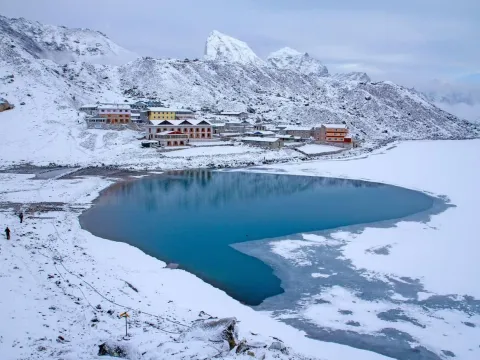
Gokyo Ri Trekking is one of the most spectacular and rewarding adventures in the Everest region of Nepal. This trek offers an incredible combination of Himalayan scenery, Sherpa culture, peaceful valleys, and breathtaking mountain viewpoints. Unlike the classic Everest Base Camp route, the Gokyo Ri Trek takes you through the less crowded and naturally beautiful Gokyo Valley, where you can explore the famous turquoise Gokyo Lakes and climb Gokyo Ri at an elevation of 5,357 meters. The summit of Gokyo Ri provides one of the best panoramic views in Nepal, including four of the world’s highest mountains: Mount Everest, Lhotse, Makalu, and Cho Oyu.Organized by Trail Mania Trek, the Gokyo Ri Trek is carefully designed for travelers who want an unforgettable Himalayan experience with proper acclimatization, professional guidance, and cultural exploration. The journey begins with a scenic flight to Lukla and follows beautiful trails through traditional Sherpa villages such as Namche Bazaar, Khumjung, Dole, Machhermo, and Gokyo. Along the way, trekkers experience ancient monasteries, prayer flags, suspension bridges, alpine forests, glaciers, and the unique lifestyle of mountain communities.Scenic mountain flight from Kathmandu/Manthali to LuklaExploring the vibrant Sherpa town of Namche BazaarVisiting traditional Khumjung and Khunde villagesWalking beside the beautiful Gokyo LakesHiking to the summit of Gokyo Ri (5,357m)Panoramic views of Everest, Lhotse, Makalu, and Cho OyuExperiencing authentic Sherpa hospitality and cultureTrekking through Sagarmatha National ParkGokyo Ri Trekking is ideal for adventure lovers who want a challenging Himalayan journey without the extreme crowds of some popular Everest routes. With the expert support of Trail Mania Trek, trekkers can enjoy a safe, comfortable, and memorable adventure in the heart of the Himalayas.Best Season for Gokyo Ri TrekkingChoosing the right season is essential for a successful and enjoyable Gokyo Ri Trek. Nepal experiences different weather conditions throughout the year, and the best trekking seasons provide clear mountain views, stable weather, and comfortable walking conditions. The two main trekking seasons for Gokyo Ri are spring and autumn, when the Himalayan environment is at its most beautiful.Spring (March to May) is one of the best times for Gokyo Ri Trekking. During this season, the weather becomes warmer, the skies are generally clear, and the hills are decorated with colorful rhododendron flowers. The pleasant temperature makes trekking comfortable, and the excellent visibility allows trekkers to enjoy stunning views of Everest and surrounding peaks. Spring is also a great time to experience the natural beauty of Nepal’s mountain landscapes.Autumn (September to November) is considered the peak trekking season in Nepal. After the monsoon season ends, the skies become crystal clear, offering some of the best Himalayan views of the year. The trails are dry, the weather is stable, and the mountain scenery is spectacular. Trail Mania Trek recommends autumn for travelers seeking the best combination of favorable weather and breathtaking views.Best seasons for Gokyo Ri Trekking:Spring (March–May): Warm weather, blooming flowers, excellent mountain viewsAutumn (September–November): Clear skies, stable climate, perfect trekking conditionsWinter (December–February): Possible for experienced trekkers but colder with snowMonsoon (June–August): Less recommended due to rain, slippery trails, and cloudy viewsTrail Mania Trek operates Gokyo Ri Trek throughout the year with customized planning according to weather conditions, traveler experience, and personal preferences.Gokyo Ri Trekking Difficulty and TransportationGokyo Ri Trekking is considered a moderate to challenging high-altitude trek in the Everest region. The difficulty comes mainly from the increasing elevation, long walking hours, and steep sections of the trail rather than technical climbing. Trekkers need good physical fitness, proper preparation, and a positive mindset to complete the journey successfully. The highest point of the trek is the Gokyo Ri summit at 5,357 meters, where altitude awareness and gradual acclimatization are extremely important.The typical trekking duration is around 11 to 13 days, depending on the itinerary and acclimatization schedule. Each day usually involves walking between 4 to 7 hours through different landscapes, including forests, rocky paths, valleys, and mountain passes. Trail Mania Trek follows a carefully planned route that allows your body to adjust naturally to increasing altitude while minimizing the risks of altitude-related problems.Difficulty factors include:High altitude above 5,000 metersLong trekking daysSteep uphill sectionsChanging mountain weather conditionsBasic mountain trail conditionsTransportation during the Gokyo Ri Trek begins with a scenic mountain flight from Kathmandu or Manthali Airport to Lukla. Lukla is the main gateway to the Everest region. After completing the trek, trekkers return to Lukla and take a flight back to Kathmandu. Trail Mania Trek arranges all necessary transportation services, including airport transfers, domestic flights, and trekking logistics, ensuring a smooth and comfortable travel experience.Food and Accommodation for Gokyo Ri TrekkingFood and accommodation play an important role in maintaining energy and comfort during the Gokyo Ri Trek. Throughout the journey, trekkers stay in traditional mountain teahouses operated by local Sherpa families. These teahouses provide simple but comfortable rooms, warm meals, and a welcoming environment where travelers can experience authentic Himalayan hospitality.The accommodation is generally based on twin-sharing rooms with basic facilities. Most teahouses provide beds, blankets, pillows, and shared bathrooms. In some higher-altitude areas like Machhermo and Gokyo, facilities become more basic due to the remote mountain environment. Trail Mania Trek carefully selects reliable teahouses to ensure cleanliness, safety, and comfortable resting conditions.Meals during the trek are designed to provide enough energy for long walking days. Trekkers can enjoy a variety of local and international dishes prepared by teahouse cooks.Common food options include:Dal Bhat (rice, lentils, and vegetables)Noodles and pastaTibetan breadSoups and vegetablesEggs and pancakesTea, coffee, and hot drinksSnacks for trekking energyTrail Mania Trek understands the importance of nutrition and hydration during high-altitude trekking. Our guides provide advice about suitable meals, drinking enough water, and maintaining energy throughout the journey.Gokyo Ri Trekking PermitsGokyo Ri Trekking takes place inside the protected Everest region, which requires trekkers to obtain specific permits before starting the journey. These permits help protect the natural environment, preserve local culture, and support conservation activities in the Himalayan region. Trail Mania Trek assists all trekkers with the necessary documentation and permit arrangements before and during the trek.The main permits required for the Gokyo Ri Trek are:Sagarmatha National Park Entry PermitKhumbu Pasang Lhamu Rural Municipality PermitThe Sagarmatha National Park Permit is required because the trekking route passes through Sagarmatha National Park, a UNESCO World Heritage Site known for its unique biodiversity, glaciers, forests, and Himalayan landscapes. The local municipality permit supports the development and maintenance of trekking infrastructure in the Khumbu region.Trekkers should carry their passport details and necessary documents when applying for permits. Trail Mania Trek manages the permit process professionally, allowing travelers to focus on enjoying their adventure without worrying about administrative procedures.Having proper permits ensures a responsible trekking experience while contributing to the protection of Nepal’s beautiful mountain environment and local communities.Why Choose Gokyo Ri TrekkingGokyo Ri Trekking is an excellent choice for travelers who want a unique Himalayan adventure filled with breathtaking scenery, cultural experiences, and peaceful mountain trails. Compared with some busier trekking routes in the Everest region, the Gokyo Valley offers a quieter and more natural experience. The combination of turquoise lakes, glaciers, traditional Sherpa villages, and panoramic mountain views makes this trek one of Nepal’s most unforgettable journeys.Choosing Trail Mania Trek means traveling with an experienced and reliable trekking company dedicated to providing quality service, safety, and authentic Himalayan experiences. Our professional guides have extensive knowledge of the Everest region and ensure that every part of your journey is carefully organized, from transportation and accommodation to permits and altitude management.Reasons to choose Gokyo Ri Trekking with Trail Mania Trek:Experienced and professional trekking guidesCarefully planned acclimatization schedulePersonalized trekking servicesSafe and comfortable travel arrangementsAuthentic Sherpa cultural experiencesStunning views of the world’s highest mountainsSupport with permits, transportation, and logisticsResponsible and environmentally friendly trekking practicesGokyo Ri Trekking is more than just a mountain journey; it is an opportunity to connect with nature, explore Himalayan traditions, and create lifelong memories. With Trail Mania Trek as your trusted adventure partner, you can experience the beauty and spirit of the Everest region in a safe, enjoyable, and unforgettable way.
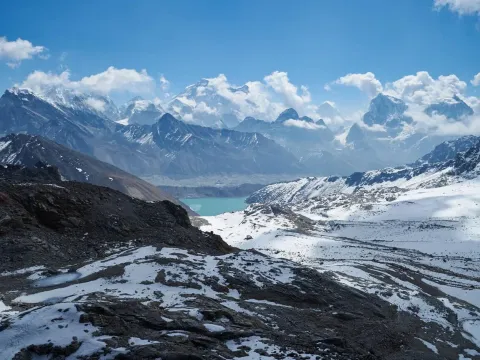
Gokyo Ri Renjo La Pass Trekking is one of the most spectacular and adventurous trekking journeys in the Everest region of Nepal. This incredible trek combines the beauty of the peaceful Gokyo Valley, the panoramic viewpoint of Gokyo Ri, and the thrilling crossing of Renjo La Pass (5,465m). Organized by Trail Mania Trek, this journey is designed for trekkers who want to experience the hidden side of the Everest region while avoiding some of the busier trails. The trek offers breathtaking views of some of the world’s highest mountains, including Mount Everest, Lhotse, Makalu, Cho Oyu, and Ama Dablam.The route takes you through traditional Sherpa villages, ancient monasteries, beautiful forests, glacial landscapes, and turquoise Gokyo Lakes. Unlike the classic Everest Base Camp Trek, the Gokyo Ri Renjo La Pass Trek provides a more peaceful and culturally immersive experience. Trekkers have the opportunity to explore authentic Himalayan communities while enjoying dramatic mountain scenery throughout the journey.Trail Mania Trek provides professional trekking services, experienced guides, reliable porters, and carefully planned itineraries to ensure a safe and memorable adventure. The trek includes proper acclimatization days, comfortable accommodation arrangements, and support throughout the journey, making it suitable for adventure seekers looking for an unforgettable Himalayan experience.Scenic mountain flight to Lukla with Himalayan viewsExploration of the beautiful Gokyo Valley and turquoise lakesSunrise view from Gokyo Ri (5,357m)Crossing the challenging Renjo La Pass (5,465m)Panoramic views of Everest, Cho Oyu, Lhotse, and MakaluExperience of Sherpa culture and mountain lifestyleVisit traditional villages like Namche Bazaar, Khumjung, and ThameLess crowded alternative route in the Everest regionBest Season for Gokyo Ri Renjo La Pass TrekkingChoosing the right season is very important for a successful and enjoyable Gokyo Ri Renjo La Pass Trek. The best seasons for this adventure are spring (March to May) and autumn (September to November). During these months, the weather remains stable, the skies are clear, and the mountain views are at their best. Trail Mania Trek recommends these seasons because trekkers can enjoy comfortable temperatures, excellent visibility, and safer conditions while crossing Renjo La Pass.Spring is a beautiful time to trek in the Everest region because the hills and forests are covered with blooming rhododendron flowers. The trails become colorful, and the pleasant weather makes walking more enjoyable. Autumn is considered the peak trekking season because of crystal-clear mountain views, stable weather, and excellent trail conditions after the monsoon season.Winter trekking (December to February) is also possible for experienced trekkers who can handle cold temperatures and snowy conditions. However, Renjo La Pass may become more challenging due to heavy snowfall. The monsoon season (June to August) is generally less recommended because rain, clouds, and flight delays can affect the trekking experience.Best Seasons for Gokyo Ri Renjo La Pass Trek:Spring (March–May): Best for flowers, pleasant weather, and clear viewsAutumn (September–November): Best overall season with stable conditionsWinter (December–February): Suitable for experienced trekkers seeking fewer crowdsMonsoon (June–August): Less recommended due to rain and cloudy weatherGokyo Ri Renjo La Pass Trekking Difficulty and TransportationGokyo Ri Renjo La Pass Trekking is considered a moderate to challenging high-altitude trek in the Everest region. The main challenge of this trek is the altitude, especially while reaching Gokyo Ri and crossing Renjo La Pass at 5,465 meters. Trekkers need good physical fitness, proper preparation, and a positive mindset to complete the journey successfully. The daily walking duration generally ranges from 4 to 7 hours, depending on the trekking section.The Renjo La Pass crossing is the most demanding part of the trek because of the steep ascent, high elevation, and rocky terrain. However, with proper acclimatization, a gradual itinerary, and guidance from experienced Trail Mania Trek professionals, most physically prepared trekkers can complete this adventure safely.Transportation for the trek begins with a scenic flight from Kathmandu or Manthali Airport to Lukla. The mountain flight itself is an unforgettable experience, offering incredible views of Himalayan peaks, valleys, and landscapes. After completing the trek, trekkers return to Lukla and take a flight back to Kathmandu.Difficulty and Transportation Features:Moderate to challenging trekking gradeMaximum elevation: Renjo La Pass (5,465m)Requires good physical fitness and preparationDaily walking duration: approximately 4–7 hoursScenic Kathmandu/Manthali to Lukla flightProfessional guide and porter support from Trail Mania TrekProper acclimatization schedule for altitude adjustmentFood and Accommodation for Gokyo Ri Renjo La Pass TrekkingDuring the Gokyo Ri Renjo La Pass Trek, trekkers stay in comfortable teahouses and lodges operated by local Himalayan families. These accommodations provide a warm and friendly atmosphere where visitors can experience authentic Sherpa hospitality. Although facilities become more basic at higher elevations, teahouses offer clean rooms, comfortable beds, blankets, and shared dining areas.Trail Mania Trek carefully selects reliable accommodations along the trekking route to ensure safety and comfort. Most rooms are twin-sharing, and facilities such as hot showers and charging services may be available at additional costs depending on the location. Staying in local lodges also allows trekkers to connect with local communities and learn about Himalayan culture.Food during the trek is nutritious and designed to provide enough energy for long trekking days. Teahouses offer a variety of meals, including traditional Nepali dishes, Tibetan-inspired foods, and common international options. A balanced diet helps trekkers maintain strength while walking through challenging mountain terrain.Food and Accommodation Includes:Comfortable teahouse and lodge accommodationTwin-sharing rooms during the trekTraditional Nepali meals and international food optionsDal Bhat, noodles, soups, rice, pasta, and Tibetan breadWarm dining areas with mountain viewsLocal Sherpa hospitality experienceMeals planned for energy and high-altitude trekkingGokyo Ri Renjo La Pass Trekking PermitsGokyo Ri Renjo La Pass Trekking requires several permits because the route lies within the protected Everest region. Trail Mania Trek manages the necessary permit arrangements to make the trekking process smooth and convenient for guests. These permits support conservation activities, environmental protection, and the development of local communities in the Himalayan region.The main permits required for this trek include the Sagarmatha National Park Permit and the Khumbu Pasang Lhamu Rural Municipality Permit. These permits are mandatory for all trekkers entering the Everest region. Trekkers must carry valid identification documents and passport details during the permit registration process.Obtaining permits through Trail Mania Trek saves time and ensures that all legal requirements are completed before starting the adventure. Our experienced team guides documentation, permit procedures, and trekking preparation.Required Permits:Sagarmatha National Park Entry PermitKhumbu Pasang Lhamu Rural Municipality PermitValid passport copyPassport-sized photographs if requiredPermit arrangements handled by Trail Mania TrekSupport with trekking documentation and proceduresWhy Choose Gokyo Ri Renjo La Pass Trekking with Trail Mania TrekChoosing Trail Mania Trek for your Gokyo Ri Renjo La Pass Trek ensures a safe, comfortable, and memorable Himalayan adventure. Our experienced trekking team understands the challenges of high-altitude trekking and provides professional services from arrival in Kathmandu until the completion of the journey. We focus on safety, customer satisfaction, and creating meaningful travel experiences.Trail Mania Trek offers carefully designed itineraries that include proper acclimatization, experienced local guides, quality accommodation, and reliable support staff. Our guides have extensive knowledge of the Everest region, including local culture, mountain conditions, and trekking safety. We believe in responsible tourism and support local communities while protecting the natural beauty of the Himalayas.The Gokyo Ri Renjo La Pass Trek with Trail Mania Trek is not only about reaching high mountain destinations; it is about experiencing Sherpa traditions, breathtaking landscapes, and unforgettable moments in the heart of the Himalayas.Reasons to Choose Trail Mania Trek:Experienced and professional trekking guidesCustomized trekking itinerariesSafety-focused trekking managementLocal Sherpa knowledge and supportQuality accommodation and food arrangementsTransparent service and professional communicationResponsible and eco-friendly trekking practicesLifetime memories in the Everest regionTrail Mania Trek welcomes you to explore the magnificent Gokyo Valley and Renjo La Pass, where adventure, culture, and Himalayan beauty come together to create an extraordinary trekking experience.
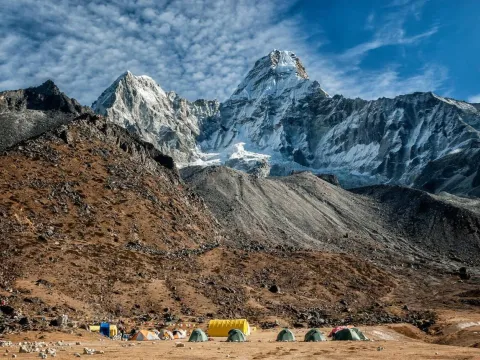
The Ama Dablam Base Camp and Everest Base Camp Trek is one of the most spectacular and rewarding Himalayan trekking adventures in Nepal, combining two iconic destinations of the Everest region into a single unforgettable journey. Organized by Trail Mania Trek, this trek offers an incredible opportunity to explore the legendary Everest Base Camp while also reaching the breathtaking base camp of Mount Ama Dablam, one of the most beautiful and admired peaks in the world. The journey takes you through traditional Sherpa villages, ancient monasteries, high-altitude valleys, glaciers, and some of the most dramatic mountain landscapes on Earth.This 16-day Himalayan adventure begins with a scenic flight to Lukla and follows the famous Everest trekking route through Phakding, Namche Bazaar, Tengboche, Dingboche, Lobuche, Gorak Shep, and Everest Base Camp. Along the way, trekkers experience the unique culture of the Khumbu region, including Buddhist traditions, prayer wheels, colorful prayer flags, and historic monasteries. The highlight of the trek is reaching Everest Base Camp at 5,364 meters and enjoying sunrise views from Kala Patthar at 5,545 meters.The special attraction of this trekking package is the side trip to Ama Dablam Base Camp at 4,575 meters. Unlike many standard Everest Base Camp itineraries, this route allows trekkers to get closer to the magnificent south face of Ama Dablam and enjoy spectacular views of one of Nepal’s most photogenic mountainsScenic mountain flight from Kathmandu/Manthali to LuklaTrek through the beautiful Sagarmatha National ParkExplore the Sherpa cultural hub of Namche BazaarVisit the famous Tengboche MonasteryExperience authentic Sherpa villages and Himalayan lifestylesHike to Ama Dablam Base Camp beneath the iconic peakReach the legendary Everest Base CampEnjoy sunrise views from Kala Patthar viewpointWitness Everest, Lhotse, Nuptse, Makalu, Pumori, and Ama Dablam panoramasProfessional guidance and support from Trail Mania TrekTrail Mania Trek carefully designs this itinerary with proper acclimatization days in Namche, Dingboche, and Pangboche to help trekkers adapt safely to increasing altitude. Our experienced guides focus on safety, comfort, and creating a memorable Himalayan experience for every traveler.Best Season for Ama Dablam Base Camp and Everest Base Camp TrekkingChoosing the right season is very important for a successful and enjoyable Ama Dablam Base Camp and Everest Base Camp Trek. The Everest region experiences changing weather conditions throughout the year, and each season offers a different trekking experience. Trail Mania Trek recommends trekking during the spring and autumn seasons because these months provide the most stable weather, excellent visibility, and comfortable trekking conditions.Spring (March to May) is one of the best seasons for this adventure. During this period, the Himalayan trails become colorful with blooming rhododendron flowers, and the weather remains favorable for trekking. Clear mornings provide outstanding views of Everest, Ama Dablam, Lhotse, and other Himalayan giants. This season is also popular because climbers preparing for Everest expeditions can often be seen around Base Camp.Autumn (September to November) is considered the peak trekking season in Nepal. After the monsoon season, the skies become clear, the mountain views are spectacular, and the trails offer excellent conditions for walking. The pleasant temperatures and stable weather make autumn ideal for reaching both Ama Dablam Base Camp and Everest Base Camp.Winter and monsoon trekking are possible but require additional preparation. Winter (December to February) brings colder temperatures and possible snowfall at higher elevations, while monsoon (June to August) brings rain, cloudy skies, and possible flight delays to Lukla. However, experienced trekkers seeking fewer crowds may still enjoy these seasons with proper planning.Best Trekking Seasons:Spring (March–May): Best mountain views, flowers, and favorable weatherAutumn (September–November): Clear skies, stable conditions, and the most popular seasonWinter (December–February): Peaceful trails but colder temperaturesMonsoon (June–August): Suitable for experienced trekkers with flexible schedulesTrail Mania Trek provides seasonal guidance and helps trekkers choose the best departure period according to their preferences, experience level, and travel plans.Ama Dablam Base Camp and Everest Base Camp Trekking Difficulty and TransportationThe Ama Dablam Base Camp and Everest Base Camp Trek is considered a challenging high-altitude trekking adventure suitable for trekkers with good physical fitness and determination. The trek does not require technical climbing skills, but it involves long walking days, steep ascents, rocky trails, and high-altitude conditions. The highest point reached during the trek is Kala Patthar at 5,545 meters, where altitude awareness and proper acclimatization are essential.Trekkers usually walk between 5 to 8 hours per day, depending on the destination and trail conditions. The gradual itinerary designed by Trail Mania Trek allows the body to adjust naturally to increasing altitude. Our experienced guides monitor health conditions, maintain comfortable walking speeds, and provide support throughout the journey.Transportation during the trek mainly includes a scenic domestic flight between Kathmandu/Manthali and Lukla. The Lukla flight is one of the most exciting mountain flights in the world, offering breathtaking views of hills, valleys, and Himalayan peaks. During high trekking seasons, flights may operate from Manthali Airport due to Kathmandu air traffic conditions.Trek Difficulty Factors:High altitude reaching above 5,500 metersLong trekking hours on mountain terrainCold temperatures at higher elevationsRocky and uneven trailsNeed for proper acclimatizationPhysical endurance requirementsTransportation Details:International arrival and departure through KathmanduDomestic scenic flight to LuklaPrivate airport transfers arranged by Trail Mania TrekLocal walking trails and suspension bridges throughout the trekWith proper preparation, regular exercise, and the professional support of Trail Mania Trek, this trek is achievable for passionate adventure seekers.Food and Accommodation for Ama Dablam Base Camp and Everest Base Camp TrekkingFood and accommodation play an important role in maintaining energy and comfort during the Ama Dablam Base Camp and Everest Base Camp Trek. Trail Mania Trek arranges comfortable teahouse accommodation throughout the trekking route. These mountain lodges provide basic but comfortable rooms, warm dining areas, and an opportunity to experience authentic Himalayan hospitality.Most teahouses offer twin-sharing rooms with comfortable beds, blankets, and shared bathroom facilities. In larger villages such as Namche Bazaar and Dingboche, some lodges provide additional facilities such as hot showers, Wi-Fi, charging services, and better room options. At higher elevations, facilities become more basic due to the remote mountain environment.Meals during the trek are designed to provide enough energy for long walking days. Trekkers can enjoy traditional Nepali meals as well as international options. Dal Bhat, the traditional Nepali meal consisting of rice, lentils, and vegetables, is a popular choice among trekkers because it provides excellent nutrition and energy.Food Options:Dal Bhat (rice, lentils, vegetables)Noodles and pasta dishesSoups and hot drinksBread, eggs, and pancakesPotatoes and vegetable dishesTea, coffee, and energy drinksAccommodation Features:Comfortable teahouse staysTwin-sharing roomsWarm dining areasMountain lodge experienceBasic facilities in remote areasAdditional services in major villagesTrail Mania Trek ensures that accommodation and meals are arranged according to safety, hygiene, and trekking requirements.Ama Dablam Base Camp and Everest Base Camp Trekking PermitsThe Ama Dablam Base Camp and Everest Base Camp Trek requires several important permits because the route passes through protected areas and local government regions. Trail Mania Trek manages all necessary permits and documentation, allowing trekkers to focus on enjoying the Himalayan adventure without worrying about administrative procedures.The main permit required for this trek is the Sagarmatha National Park Entry Permit because the trekking route enters Sagarmatha National Park, a UNESCO World Heritage Site known for its unique Himalayan ecosystem and mountain biodiversity. Another required permit is the Khumbu Pasang Lhamu Rural Municipality Permit, which supports local development and management of the Everest region.Required Trekking Permits:Sagarmatha National Park Entry PermitKhumbu Pasang Lhamu Rural Municipality PermitTIMS Card (when applicable according to current regulations)Trail Mania Trek assists with obtaining all required permits before and during the trek. Our team ensures that all legal requirements are completed properly for a smooth and enjoyable trekking experience.Why Choose Ama Dablam Base Camp and Everest Base Camp Trekking with Trail Mania TrekChoosing Trail Mania Trek for the Ama Dablam Base Camp and Everest Base Camp Trek means traveling with an experienced local trekking company dedicated to safety, quality service, and unforgettable Himalayan experiences. Our professional team understands the challenges of high-altitude trekking and provides personalized support from arrival in Kathmandu until departure.Trail Mania Trek focuses on responsible trekking practices, experienced guides, carefully planned itineraries, and excellent customer service. We believe that a successful Himalayan journey is not only about reaching destinations but also about enjoying the culture, nature, and experiences along the way.Our guides are knowledgeable about mountain conditions, Sherpa culture, weather patterns, and altitude management. We maintain small group experiences whenever possible, allowing better communication, flexibility, and personal attention.Reasons to Choose Trail Mania Trek:Experienced and professional trekking guidesCarefully designed acclimatization itinerarySafety-focused trekking approachLocal Himalayan knowledge and expertiseComfortable teahouse arrangementsAssistance with permits and logisticsPersonalized trekking servicesResponsible and sustainable tourism practicesComplete airport transfers and trip managementThe Ama Dablam Base Camp and Everest Base Camp Trek with Trail Mania Trek is more than a trekking journey; it is an opportunity to experience Nepal’s legendary mountains, Sherpa culture, and the spirit of Himalayan adventure. With expert support and thoughtful planning, your dream of exploring Everest and Ama Dablam can become a lifelong memory.
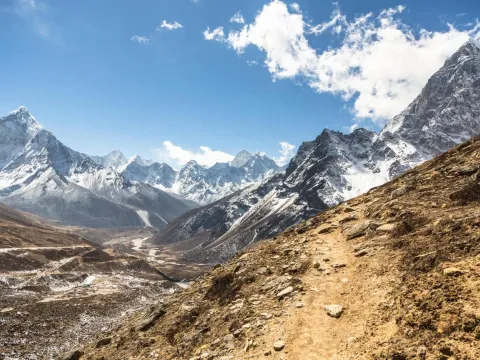
The Gokyo Cho La and Everest Base Camp Trekking is one of the most spectacular and adventurous trekking journeys in Nepal’s Everest region. This extraordinary adventure combines the beauty of the turquoise Gokyo Lakes, the challenging crossing of the famous Cho La Pass (5,420m), and the unforgettable experience of reaching Everest Base Camp (5,364m) with the breathtaking sunrise view from Kala Patthar (5,545m). Organized by Trail Mania Trek, this trekking package is designed for adventure seekers who want to experience the best combination of Himalayan landscapes, Sherpa culture, ancient monasteries, and world-famous mountain views.The journey begins with a scenic mountain flight from Kathmandu to Lukla, followed by a gradual trek through traditional Sherpa villages, lush forests, and the beautiful valleys of the Khumbu region. The trail passes through famous destinations including Namche Bazaar, Khumjung, Dole, Machhermo, and Gokyo Valley before crossing the challenging Cho La Pass. After exploring Everest Base Camp and Kala Patthar, trekkers return through classic Everest trails while enjoying the incredible hospitality and culture of the local Sherpa communities.Trail Mania Trek provides experienced guides, carefully planned itineraries, safety support, and professional trekking services to make this high-altitude adventure comfortable and memorable. The trek is suitable for experienced hikers who are physically prepared for long walking days and changing mountain conditions.Explore the stunning turquoise Gokyo Lakes and beautiful Gokyo Valley.Cross the challenging and scenic Cho La Pass at 5,420 meters.Visit legendary Everest Base Camp and stand beneath the world’s highest mountain.Enjoy sunrise views from Kala Patthar with panoramic Himalayan scenery.Experience Sherpa culture, monasteries, and traditional mountain villages.Witness breathtaking views of Everest, Lhotse, Cho Oyu, Makalu, Ama Dablam, and other peaks.Trek through Sagarmatha National Park, a UNESCO World Heritage Site.Best Season for Gokyo Cho La and Everest Base Camp TrekkingChoosing the right season is very important for a successful and enjoyable Gokyo Cho La and Everest Base Camp Trekking experience. The Everest region has four major seasons, but spring and autumn are considered the best periods due to favorable weather, excellent mountain visibility, and safer trekking conditions.The spring season (March to May) is one of the most popular times for trekking in Nepal. During this period, the weather is generally stable, temperatures are comfortable, and the trails become colorful with blooming rhododendron flowers. The clear skies provide excellent views of Everest, Lhotse, Ama Dablam, Cho Oyu, and surrounding Himalayan peaks.The autumn season (September to November) is another ideal trekking period. After the monsoon season, the atmosphere becomes fresh and clean, offering crystal-clear mountain views. The stable weather conditions, moderate temperatures, and dry trails make autumn the busiest and most recommended season for crossing Cho La Pass and reaching Everest Base Camp.Winter trekking (December to February) is possible for experienced trekkers, but the temperatures are extremely cold, and heavy snowfall may make Cho La Pass more challenging. The summer/monsoon season (June to August) brings rain, slippery trails, and cloudy mountain views, although the region remains peaceful with fewer trekkers.Best Seasons for Gokyo Cho La and Everest Base Camp Trekking:Spring (March–May): Best weather, blooming flowers, and excellent mountain views.Autumn (September–November): Clear skies, stable conditions, and the most popular trekking season.Winter (December–February): Suitable for experienced trekkers seeking fewer crowds.Monsoon (June–August): Less recommended due to rainfall and limited visibility.Gokyo Cho La and Everest Base Camp Trekking Difficulty and TransportationThe Gokyo Cho La and Everest Base Camp Trekking is considered a challenging high-altitude trek that requires good physical fitness, proper preparation, and strong determination. The main challenges include walking at high elevations, crossing Cho La Pass, long trekking days, and adjusting to reduced oxygen levels. The highest point of the trek is Kala Patthar at 5,545 meters, while Cho La Pass reaches 5,420 meters.Trekkers usually walk between 5 to 8 hours per day on mountain trails consisting of rocky paths, steep climbs, glacier sections, and suspension bridges. The Cho La Pass section is the most demanding part of the journey because it may involve icy and snowy conditions depending on the season. However, with gradual acclimatization, experienced guides, and a well-planned itinerary from Trail Mania Trek, trekkers can safely complete this incredible adventure.Transportation for the trek includes a scenic mountain flight between Kathmandu and Lukla. Depending on the season and flight operations, flights may operate from Kathmandu or Manthali Airport. During the trekking period, transportation is mainly on foot through mountain trails, while private vehicles are arranged for airport transfers and sightseeing activities.Difficulty and Transportation Information:Trek Grade: Challenging high-altitude trekking.Maximum Elevation: Kala Patthar – 5,545m.Cho La Pass Elevation: 5,420m.Daily Walking Duration: Approximately 5–8 hours.Main Transportation: Kathmandu/Manthali to Lukla scenic flight.Trekking Support: Professional guides, porters, and safety assistance from Trail Mania Trek.Food and Accommodation for Gokyo Cho La and Everest Base Camp TrekkingDuring the Gokyo Cho La and Everest Base Camp Trekking, trekkers experience comfortable teahouse accommodation and traditional Himalayan cuisine. Trail Mania Trek carefully selects reliable lodges and teahouses throughout the route to ensure a safe and pleasant stay. Accommodation becomes more basic as altitude increases, but all trekking lodges provide essential facilities including warm meals, comfortable beds, and dining areas.Food during the trek includes a variety of Nepalese, Tibetan, Indian, and international dishes. Dal Bhat (rice, lentils, and vegetables) is the most common and nutritious meal, providing enough energy for long trekking days. Other popular options include noodles, pasta, soups, bread, potatoes, eggs, pancakes, and hot beverages.At higher elevations, food choices become more limited because supplies must be transported by porters or animals. Trail Mania Trek recommends eating balanced meals, drinking enough water, and avoiding alcohol during the trek to support proper acclimatization.Food and Accommodation Features:Comfortable teahouse stays throughout the trekking route.Traditional Nepalese and international meal options.Nutritious food to maintain energy during high-altitude walking.Hot drinks including tea, coffee, and hot chocolate.Twin-sharing accommodation in mountain lodges.Professional support from Trail Mania Trek’s trekking team.Gokyo Cho La and Everest Base Camp Trekking PermitsPermits are essential for trekking in the Everest region, and Trail Mania Trek assists trekkers in arranging all necessary documents before starting the journey. The required permits help protect the natural environment, support conservation programs, and regulate tourism activities in the Himalayan region.The main permits required for the Gokyo Cho La and Everest Base Camp Trekking include the Sagarmatha National Park Entry Permit and the Khumbu Pasang Lhamu Rural Municipality Permit. These permits are checked at different points along the trekking route, especially near the entrance of Sagarmatha National Park.Having proper permits ensures that trekkers can legally access protected areas while contributing to the preservation of the Everest region’s natural beauty and cultural heritage. Trail Mania Trek manages the permit process professionally, allowing trekkers to focus on enjoying their Himalayan adventure.Required Trekking Permits:Sagarmatha National Park Entry Permit.Khumbu Pasang Lhamu Rural Municipality Permit.Valid passport details for permit processing.Passport-size photographs if required.Assistance with documentation from Trail Mania Trek.Why Choose Gokyo Cho La and Everest Base Camp TrekkingThe Gokyo Cho La and Everest Base Camp Trekking is a perfect choice for travelers who want more than a standard Everest Base Camp experience. This route offers a unique combination of adventure, natural beauty, cultural exploration, and unforgettable Himalayan scenery. Unlike the regular Everest Base Camp route, the Gokyo Cho La trail allows trekkers to explore the peaceful Gokyo Valley and cross one of Nepal’s most famous high mountain passes.Choosing Trail Mania Trek means traveling with an experienced trekking company that focuses on safety, quality service, and personalized experiences. The professional guides have extensive knowledge of the Everest region and provide valuable support throughout the journey. From airport pickup and accommodation arrangements to trekking permits and emergency assistance, Trail Mania Trek manages every detail carefully.This trek creates lifelong memories through incredible mountain views, warm Sherpa hospitality, ancient Buddhist traditions, and the personal achievement of reaching Everest Base Camp. It is an ideal adventure for trekkers seeking a challenging but rewarding Himalayan experience.Reasons to Choose This Trek:Experience both Gokyo Valley and Everest Base Camp in one journey.Cross the spectacular Cho La Pass adventure route.Enjoy fewer-crowded trails compared to the classic Everest route.Discover authentic Sherpa culture and mountain traditions.Receive professional guidance and support from Trail Mania Trek.Explore some of the world’s most famous Himalayan landscapes.Create unforgettable memories in the heart of the Everest region.