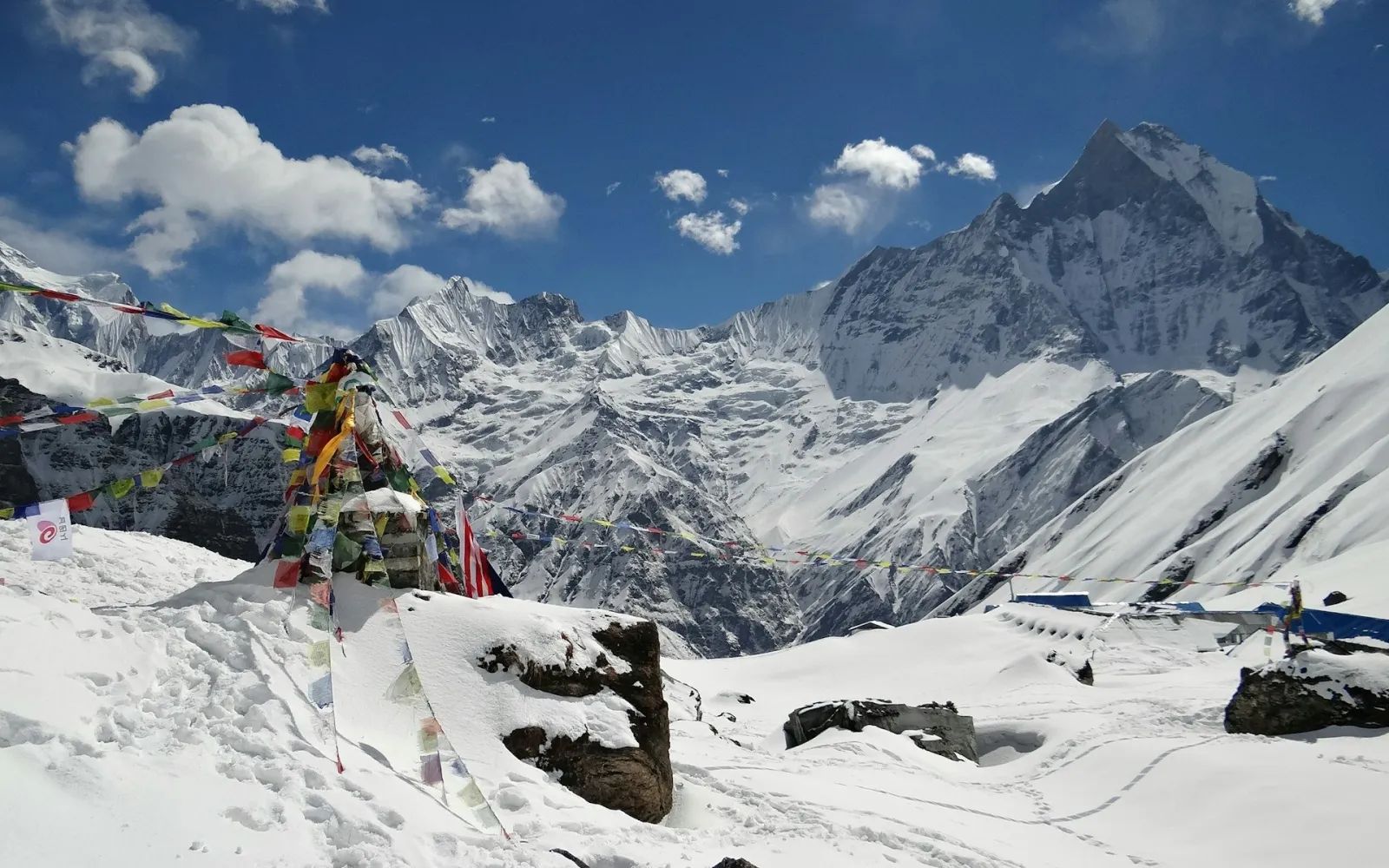
The Annapurna Base Camp Trek is one of Nepal’s most rewarding Himalayan adventures, combining dramatic mountain scenery, traditional Gurung villages, lush forests, terraced hillsides, and the spectacular Annapurna Sanctuary. The trek takes you from the lower foothills toward Annapurna Base Camp at an altitude of 4,130 meters, offering close-up views of some of the most impressive peaks in the Annapurna range. With a well-planned itinerary, the journey can be enjoyed by both experienced trekkers and adventurous beginners with reasonable fitness.
Trail Mania Trek offers a carefully organized itinerary that combines cultural exploration in Kathmandu and Pokhara with a scenic trekking experience through the Annapurna region. The route is designed with gradual altitude gain and appropriate overnight stops, helping trekkers adapt comfortably while enjoying the changing landscapes.
The Annapurna Base Camp Trek is a classic Himalayan trekking route in central Nepal. The trail passes through diverse landscapes, beginning in the lower foothills and gradually climbing through subtropical forests, rhododendron-covered hills, alpine terrain, and the dramatic mountain amphitheater surrounding Annapurna Base Camp. Along the way, trekkers experience the culture and hospitality of local communities, particularly the Gurung people.
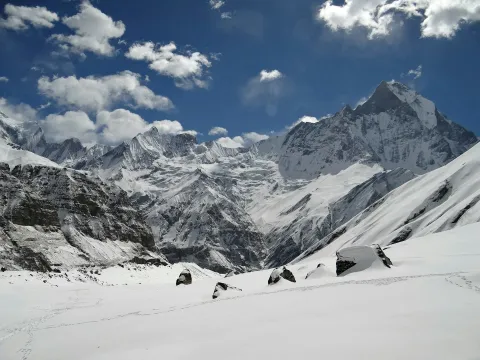
One of the highlights of the journey is reaching the Annapurna Sanctuary, a natural mountain basin surrounded by towering peaks. Standing at Annapurna Base Camp, trekkers can admire spectacular Himalayan scenery in every direction. The return route through Bamboo and Jhinu Danda also provides an opportunity to relax in the area's natural hot springs before continuing toward Nayapul and Pokhara.
The Annapurna Base Camp Trek is particularly appealing because it delivers an impressive Himalayan experience without requiring an extremely long expedition. The trail combines mountain scenery with cultural encounters and varied landscapes, making every day different. Trekkers can walk through peaceful villages, cross suspension bridges, follow mountain streams, and gradually enter the high-altitude Annapurna Sanctuary.
Another major advantage is the combination of adventure and accessibility. Compared with some longer Himalayan expeditions, the Annapurna Base Camp route can be completed in a relatively manageable timeframe. The itinerary provided by Trail Mania Trek also includes time in Kathmandu and Pokhara, allowing travelers to experience Nepal's cultural and scenic highlights beyond the trekking trail.
The best seasons for the Annapurna Base Camp Trek are generally spring and autumn. Spring, particularly from March to May, brings relatively stable weather, clear mountain views, and colorful rhododendron forests. Autumn, especially from September to November, is another excellent period because the monsoon has usually cleared the atmosphere, producing crisp Himalayan views and comfortable trekking conditions.
Winter can provide beautiful clear days, but temperatures become significantly colder at higher elevations, and snowfall can affect the trail. The summer monsoon season brings rain, slippery paths, clouds, and possible landslides, although the trek remains possible for experienced travelers who are prepared for wet conditions. Weather in the mountains can change quickly, so trekkers should always be prepared with appropriate clothing and equipment.
The itinerary begins with arrival in Kathmandu, followed by sightseeing and a scenic tourist-bus journey to Pokhara. From Pokhara, the trekking section starts after driving toward Nayapul. The trail then climbs through beautiful villages and forests toward Ghandruk and Chomrong before entering the deeper Annapurna Sanctuary. As the elevation increases, the landscape changes from lush green hills to rugged alpine surroundings.
After reaching Annapurna Base Camp at 4,130 meters, the route retraces part of the trail toward Bamboo and then continues to Jhinu Danda. Trekkers can enjoy the natural hot springs before completing the trek at Nayapul and returning to Pokhara. The final days include the tourist-bus journey back to Kathmandu and international departure.
The Annapurna Base Camp Trek is generally considered a moderate to challenging trek. It does not require technical mountaineering skills, but trekkers should be prepared for long walking days, frequent stone steps, steep uphill and downhill sections, and significant changes in elevation. The highest point of the itinerary is 4,130 meters, where altitude-related symptoms can become a concern.
Physical preparation can make the experience considerably more enjoyable. Regular walking, hiking, stair climbing, and cardiovascular exercise before the trek can help build endurance. During the trek, maintaining a steady pace, drinking enough water, eating properly, and allowing the body to adapt to increasing elevation are important. Trekkers should also communicate with their guide if they experience symptoms associated with altitude sickness.
Before beginning the Annapurna Base Camp Trek, trekkers need to arrange the required permits for entering and trekking through the Annapurna Conservation Area. The main permits generally include the Annapurna Conservation Area Permit (ACAP) and the Trekkers’ Information Management System (TIMS) card. These documents help regulate trekking activities, support conservation work, and improve trekker safety in the region.
Travelers should carry their passport and permit documents throughout the trek because they may be checked at designated points along the trail. Trail Mania Trek can assist with the permit arrangements and necessary documentation as part of the trekking preparation, allowing travelers to focus on enjoying the journey.
Accommodation on the Annapurna Base Camp Trek is generally provided in locally operated teahouses and trekking lodges. These accommodations offer basic but comfortable facilities, usually including a bed, mattress, blanket, and shared bathroom facilities. At higher elevations, facilities can be simpler, and hot showers, electricity, and internet access may be available at an additional cost.
Meals are available at teahouses along the route, with menus offering a mixture of traditional Nepali food and familiar international dishes. Dal bhat, consisting of rice, lentils, vegetables, and curry, is a popular choice because it provides a nutritious and filling meal for long trekking days. Trail Mania Trek can help trekkers plan meals and accommodation according to the itinerary and trail conditions.
The cost of the Annapurna Base Camp Trek depends on factors such as the length of the itinerary, transportation, accommodation, meals, permits, guide and porter services, and the level of service selected. Additional expenses may include personal snacks, charging, hot showers, Wi-Fi, drinks, travel insurance, tips, and other personal purchases during the trek.
When planning your budget with Trail Mania Trek, it is useful to distinguish between the services included in the trekking package and personal expenses. A clear understanding of inclusions helps travelers prepare an appropriate budget and avoid unexpected costs during the journey.
Packing appropriately is essential for a comfortable Annapurna Base Camp Trek because temperatures and weather conditions can change considerably as the trail gains elevation. Trekkers should bring layered clothing so they can adjust what they wear according to the temperature and activity level. Good trekking boots, warm layers, rain protection, and a comfortable backpack are among the most important items.
It is best to keep your luggage practical and relatively lightweight. Trail Mania Trek can provide guidance on packing according to the season, route conditions, and available porter services. Although some equipment can be purchased or rented in Kathmandu or Pokhara, essential personal items should be prepared before starting the trek.
Altitude is one of the most important considerations on the Annapurna Base Camp Trek. The route climbs from the lower hills to 4,130 meters, and the reduced oxygen available at higher elevations can affect trekkers differently. Symptoms of altitude sickness can include headache, dizziness, nausea, unusual tiredness, and difficulty sleeping. Taking the ascent gradually and paying attention to your body's response is essential.
The itinerary organized by Trail Mania Trek includes overnight stops at progressively higher elevations, giving trekkers opportunities to adapt to the changing altitude. Maintaining a steady walking pace, staying hydrated, eating regular meals, and avoiding excessive alcohol can also support acclimatization. If symptoms become severe or worsen, descending to a lower altitude is the safest response, and trekkers should immediately inform their guide.
The Annapurna Base Camp Trek is a moderate-to-challenging Himalayan adventure that requires good physical preparation. Trekkers should be comfortable walking for several hours a day on uneven mountain trails, including steep ascents, descents, stone steps, and suspension bridges. Although technical climbing skills are not normally required, endurance and leg strength are important, particularly as the trail approaches higher elevations.
A consistent training routine several weeks before departure can make the trek more enjoyable and manageable. Trail Mania Trek recommends preparing with regular walking, hiking, stair climbing, and cardiovascular exercises. It is also helpful to gradually increase the duration of your training walks and practice carrying a daypack similar to the one you will use during the trek.
The Annapurna Base Camp Trek begins after traveling from Kathmandu to Pokhara, one of Nepal's most popular tourist destinations. The itinerary with Trail Mania Trek uses a tourist bus for the Kathmandu–Pokhara journey, allowing travelers to enjoy changing landscapes along the route. From Pokhara, transportation continues toward Nayapul, where the trekking portion of the journey begins.
After completing the trek, trekkers walk from Jhinu Danda toward Nayapul and then travel back to Pokhara. The following day, the itinerary includes a tourist-bus journey from Pokhara to Kathmandu. Road and transportation conditions can vary depending on weather, traffic, and local conditions, so travelers should maintain some flexibility in their schedule.
Safety should remain a priority throughout the Annapurna Base Camp Trek because mountain weather, altitude, trail conditions, and fatigue can create unexpected challenges. Trekkers should stay with their group, follow their guide's instructions, and avoid rushing, especially on steep or slippery sections. Weather can change rapidly in the mountains, so carrying appropriate layers and rain protection is important.
Altitude is another major safety consideration. As the route climbs toward 4,130 meters, trekkers should monitor how they feel and report symptoms such as persistent headache, nausea, dizziness, unusual weakness, or breathing difficulties to their guide. Trail Mania Trek guides can help monitor trail conditions and provide guidance during the trek, but every trekker should take personal responsibility for communicating any health or safety concerns promptly.
The Annapurna Base Camp Trek offers a remarkable combination of Himalayan scenery, traditional villages, forests, rivers, and cultural experiences. The journey through Ghandruk and Chomrong introduces trekkers to the distinctive lifestyle and architecture of the mountain communities, while the trail gradually moves into increasingly dramatic alpine landscapes.
Reaching Annapurna Base Camp at 4,130 meters is the defining experience of the trek. Surrounded by enormous Himalayan peaks, trekkers can enjoy an unforgettable mountain panorama from inside the Annapurna Sanctuary. The return journey through Bamboo and Jhinu Danda adds another memorable experience, with the opportunity to relax in natural hot springs after several days of trekking. Trail Mania Trek aims to combine these natural and cultural experiences into a well-organized Himalayan adventure.
How difficult is the Annapurna Base Camp Trek?
The trek is generally considered moderate to challenging. It does not usually require technical mountaineering skills, but trekkers need good endurance for long walking days, steep stone steps, and changing elevations.
How high is Annapurna Base Camp?
Annapurna Base Camp is located at approximately 4,130 meters (13,550 feet) above sea level. Because of the altitude, proper pacing and awareness of altitude-related symptoms are important.
How many days does the trek take?
The complete Trail Mania Trek itinerary presented here takes 13 days, including Kathmandu sightseeing, transportation between Kathmandu and Pokhara, the trekking portion, and final departure. The actual trekking section covers several days from Nayapul to Annapurna Base Camp and back toward Nayapul.
What is the best season for the trek?
Spring and autumn are generally considered the most favorable seasons. March to May offers pleasant trekking conditions and rhododendron blooms, while September to November often provides clear mountain views after the monsoon season.
Do I need previous trekking experience?
Previous Himalayan trekking experience is not necessarily required. However, you should have a reasonable level of fitness and be prepared for several consecutive days of mountain walking. Training before the trip can significantly improve your experience.
Is accommodation available along the trail?
Yes. Teahouses and trekking lodges operate along the route, providing basic accommodation and meals. Facilities become simpler at higher elevations, but trekkers can generally find lodging and food at the scheduled overnight stops.
Can I trek with a guide and porter?
Yes. Hiring a guide and porter can make the journey more comfortable and organized. Trail Mania Trek can arrange trekking support according to the selected package and travel requirements.
What permits are required?
Trekkers generally need the relevant Annapurna Conservation Area and trekking registration permits. Trail Mania Trek can assist with the required permit arrangements before the trek begins.
What should I do if I experience altitude sickness?
Inform your guide immediately if you develop concerning symptoms. Do not continue ascending if symptoms are worsening. Depending on the severity, rest, medical evaluation, or descent to a lower elevation may be necessary.
Why choose Trail Mania Trek for Annapurna Base Camp?
Trail Mania Trek provides organized trekking services covering itinerary planning, transportation, accommodation, trekking support, and permit arrangements according to the selected package. With proper preparation and experienced support, travelers can concentrate on enjoying the spectacular landscapes and cultural experiences of the Annapurna region.
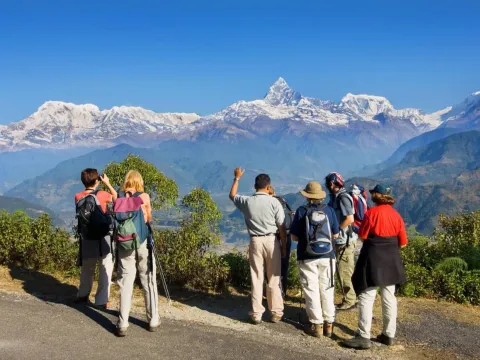
Nepal is widely recognized as one of the world’s ultimate trekking destinations, offering routes that range from iconic high-altitude journeys to hidden cultural trails. Each trekking route presents a unique combination of Himalayan scenery, ethnic diversity, and adventure intensity, making Nepal suitable for trekkers of all experience levels.
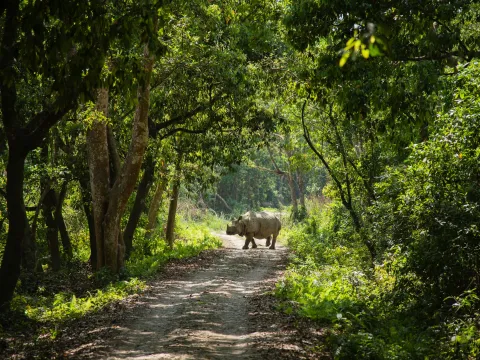
Nepal is a compact yet incredibly diverse destination where dramatic Himalayan landscapes meet ancient cities, spiritual heritage, and rich wildlife. For first-time travelers, it offers a rare combination of mountain adventure, cultural immersion, and peaceful retreats—all within relatively short travel distances. The country is especially rewarding for those who want variety in a single trip without long internal travel times.