Island Peak Climbing with Trail Mania Trek is an exhilarating Himalayan adventure combining Everest-region trekking, breathtaking mountain views, acclimatization, Khongma La Pass, Kala Patthar, and the rewarding challenge of summiting 6,189-meter Island Peak with experienced climbing support.
Hotel in Kathmandu and a Tea House / Lodge / Camp during the trek
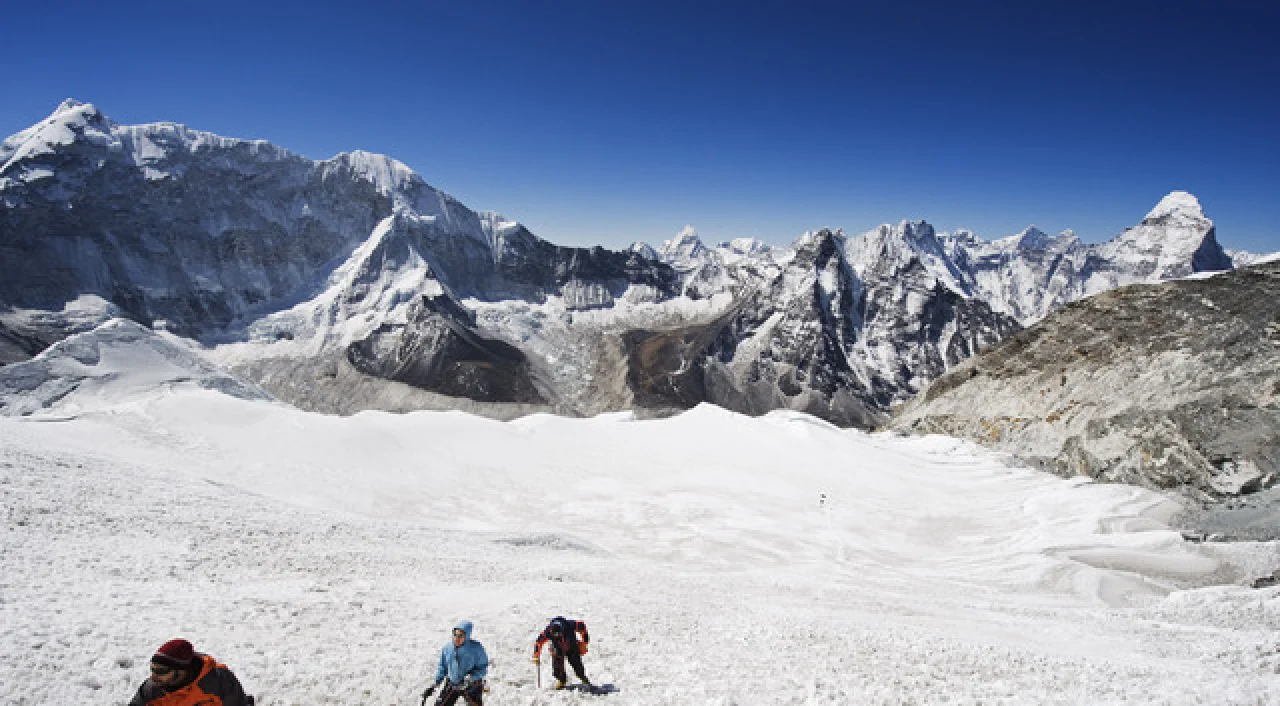
Island Peak Climbing is one of Nepal’s most popular Himalayan climbing adventures, combining the classic Everest region trekking experience with an exciting introduction to high-altitude mountaineering. Known locally as Imja Tse, Island Peak rises to 6,189 m (20,305 ft) and offers spectacular views of Lhotse, Nuptse, Ama Dablam, Makalu, and other Himalayan giants. The itinerary you provided is designed as an extended 18-day journey, allowing trekkers to acclimatize gradually while exploring the Everest region before attempting the summit.
The journey begins in Kathmandu and continues with a flight to Lukla, followed by trekking through Phakding, Namche Bazaar, Tengboche, Dingboche, Lobuche, and Gorakshep. After experiencing Kala Patthar, the route crosses Khongma La Pass toward Chhukung before heading to Island Peak Base Camp. The summit day is the major highlight, followed by a descent through Pangboche and Namche Bazaar to Lukla.
With Trail Mania Trek, climbers can undertake the journey with planned acclimatization, experienced guides, logistical support, and appropriate preparation for the summit attempt.
The best seasons for Island Peak Climbing are generally spring (March to May) and autumn (September to November). During these periods, the weather in the Everest region is comparatively stable, visibility is usually excellent, and temperatures are more favorable for high-altitude trekking and climbing. Spring is particularly attractive because the surrounding hills and lower valleys can be colorful with blooming rhododendrons, while autumn generally provides crisp mountain views and stable trekking conditions.
Winter can bring very cold temperatures, snowfall, and challenging conditions at higher elevations, while the monsoon months of June through August can produce rain, clouds, muddy trails, and flight disruptions around Lukla. However, experienced climbers with suitable equipment and flexibility may still consider less conventional seasons depending on current mountain conditions.
Trail Mania Trek can help select an appropriate departure period according to weather patterns, route conditions, climbing experience, and the desired trekking experience.
Island Peak Climbing is considered a challenging high-altitude adventure rather than an ordinary trekking trip. The route involves long walking days, significant elevation gain, steep terrain, and a demanding summit attempt above 6,000 meters. Prior trekking experience at high altitude is strongly recommended. The summit section can involve snow and ice, fixed ropes, crampons, harnesses, and basic mountaineering techniques, depending on conditions.
Transportation is also an important part of the expedition. The standard route starts with a flight from Kathmandu to Lukla, followed by trekking through the Khumbu Valley. After completing the climbing and trekking section, the group returns to Lukla for the flight back to Kathmandu. Lukla flights are highly dependent on weather and operational conditions, so some flexibility should be maintained in the itinerary.
Trail Mania Trek's guides can provide guidance on pacing, acclimatization, technical preparation, and summit-day procedures to help climbers approach the mountain safely and confidently.
Food and accommodation on the Island Peak route are primarily provided through teahouses and lodges during the trekking portion. Meals generally include familiar Nepali and Himalayan trekking foods such as dal bhat, rice, noodles, pasta, soup, potatoes, vegetables, eggs, bread, and other simple dishes. As altitude increases, maintaining adequate hydration and consuming enough carbohydrates and calories becomes increasingly important.
Accommodation becomes progressively more basic as the route moves toward the higher elevations. In Namche Bazaar and other major villages, trekkers can usually find comfortable teahouse rooms and dining facilities. At higher locations such as Lobuche, Gorakshep, and Island Peak Base Camp, facilities are more limited. The base-camp experience generally involves expedition-style camping or arrangements appropriate to the climbing program.
Trail Mania Trek organizes the accommodation and meal arrangements according to the itinerary and local availability, while climbers should remain prepared for increasingly simple facilities as they approach Island Peak.
Island Peak Climbing requires several permits and official permissions because the route passes through the Everest region and involves climbing a designated Himalayan peak. The exact requirements and fees can change according to Nepal's regulations, season, and applicable local authorities. Climbers should therefore confirm the current requirements before departure.
For an itinerary such as this, required documentation can include an Island Peak climbing permit, Everest region conservation-area documentation, and applicable local entry permits. Depending on the current regulations and route, additional administrative requirements may apply. A reputable trekking company can handle much of the permit processing on behalf of the climbing group.
Trail Mania Trek can assist with the permit process and related administrative arrangements so climbers can concentrate more on preparation, acclimatization, and the climbing experience.
Choosing Island Peak means experiencing much more than a mountain summit. The journey combines the cultural atmosphere of the Khumbu, legendary Everest-region trails, spectacular Himalayan scenery, high-altitude acclimatization, and a genuine mountaineering challenge. Reaching Island Peak Base Camp and progressing toward the summit provides trekkers with an opportunity to develop practical climbing experience while surrounded by some of the world's most impressive mountains.
Trail Mania Trek is a suitable choice for travelers looking for organized trekking and climbing support throughout the expedition. The company can coordinate transportation, permits, accommodation, meals, guides, climbing logistics, and itinerary management. The carefully staged itinerary with acclimatization days in Namche Bazaar and Dingboche and time for the Everest-region approach also allows climbers to adapt gradually to increasing altitude.
For climbers seeking a demanding but rewarding introduction to Himalayan mountaineering, Island Peak Climbing with Trail Mania Trek offers a memorable combination of trekking, cultural exploration, high-altitude adventure, and summit achievement.
Upon your arrival in Kathmandu, a representative from Trail Mania Trek will welcome you at Tribhuvan International Airport and transfer you to your hotel. After checking in and taking some time to rest, you can explore the surrounding area if you feel comfortable. In the evening, your trekking team will provide a detailed briefing about the Island Peak climbing program, including the route, equipment, safety procedures, permits, and acclimatization schedule. You will also have an opportunity to meet your climbing guide and check your gear before beginning the Himalayan adventure.
Today, you take an early morning flight from Kathmandu to Lukla, enjoying spectacular views of the Himalayan ranges during the short flight. After landing at Lukla Airport, you will meet the porters and begin your trek through the beautiful Khumbu region. The trail passes through small mountain settlements, Buddhist prayer wheels, mani stones, and forested paths alongside the Dudh Koshi River. After several hours of gentle walking, you reach Phakding, where you spend your first night in the mountains. The relatively short trekking day allows your body to begin adjusting to the increasing altitude.
After breakfast, you continue trekking toward Namche Bazaar, the main trading and administrative center of the Khumbu region. The trail follows the Dudh Koshi River and crosses several suspension bridges decorated with colorful prayer flags. As you approach Sagarmatha National Park, the landscape becomes increasingly mountainous, with pine and rhododendron forests surrounding the trail. After crossing the famous Hillary Suspension Bridge, you begin a steeper ascent toward Namche. The final climb can be demanding, but reaching Namche rewards you with impressive mountain scenery and the lively atmosphere of this famous Sherpa town.
Today is an important acclimatization day designed to help your body adjust to the altitude before continuing toward higher elevations. Rather than remaining completely inactive, you take a short hike around the Namche area. Depending on weather and group conditions, you may visit the Everest View Hotel area for panoramic views of Everest, Lhotse, Ama Dablam, and surrounding peaks. You can also explore Namche's narrow streets, local shops, bakeries, and cultural attractions. Your guide from Trail Mania Trek will monitor your condition and provide advice on hydration, nutrition, pacing, and recognizing symptoms of altitude sickness.
Leaving Namche Bazaar, the trail initially follows a scenic ridge with excellent views of Everest, Nuptse, Lhotse, Ama Dablam, and Thamserku. You then descend toward the Dudh Koshi before beginning the gradual climb through beautiful rhododendron and pine forests toward Tengboche. The final ascent can be challenging, but the destination is one of the most culturally significant stops on the Everest trail. Tengboche is home to the famous Tengboche Monastery, surrounded by dramatic Himalayan peaks. If time and conditions permit, you can visit the monastery and experience the peaceful spiritual atmosphere of this remarkable mountain settlement.
After breakfast, you leave Tengboche and descend through forests toward Deboche before crossing the Imja Khola. The trail then gradually climbs toward Pangboche, one of the oldest settlements in the Khumbu region, with beautiful views of Ama Dablam dominating the landscape. Continuing through increasingly open and rugged terrain, you eventually reach Dingboche, a traditional Sherpa village situated in the Imja Valley. The vegetation becomes noticeably thinner as you gain altitude. Dingboche provides a perfect stopping point for further acclimatization before the trek continues toward Lobuche and the Island Peak region.
Another acclimatization day is scheduled in Dingboche to prepare your body for the higher elevations ahead. A common option is a gradual hike toward Nangkartshang Hill, from where you can enjoy impressive views of Ama Dablam, Island Peak, Makalu, and other surrounding Himalayan peaks. The hike should be taken at a comfortable pace, focusing on gradual altitude adaptation rather than speed. After returning to Dingboche, you can rest, hydrate, eat nutritious meals, and prepare your climbing equipment. Your Trail Mania Trek guide will also review the upcoming high-altitude sections and discuss the technical requirements of Island Peak climbing.
Today, the journey continues into the higher and more rugged section of the Everest region. The trail leaves Dingboche and climbs gradually through the dry alpine landscape toward the terminal moraine of the Khumbu Glacier. Along the way, you pass memorials dedicated to climbers and mountaineers who lost their lives in the Himalayas, creating a quiet and reflective atmosphere. The surrounding scenery becomes increasingly dramatic as snow-covered peaks rise above the valley. After reaching Lobuche, you check into the teahouse and spend the evening resting and preparing for the challenging days ahead.
You begin the day by following the trail toward Gorakshep, the final settlement on the traditional Everest Base Camp route. The path travels across rugged glacial terrain with magnificent views of the surrounding peaks and Khumbu Glacier. After reaching Gorakshep and having some rest, you undertake the famous Kala Patthar hike, weather and group conditions permitting. The viewpoint provides spectacular close-up views of Mount Everest, Nuptse, Pumori, and the Khumbu Glacier. After enjoying the mountain panorama, you descend back to Gorakshep for the night, allowing your body to recover at this significant altitude.
After breakfast, you retrace your route from Gorakshep toward Lobuche. Although the distance is comparatively short, the high altitude makes even moderate walking physically demanding. The trail crosses rocky and glacial terrain while offering opportunities to appreciate the enormous Himalayan landscape from a different perspective. Returning to Lobuche also provides a valuable opportunity to rest before crossing the high Khongma La Pass and entering the Island Peak area. Your guide will assess the group's condition and weather situation, while you focus on hydration, nutrition, and conserving energy for the upcoming demanding sections.
Today is one of the most challenging trekking days of the itinerary as you cross the high Khongma La Pass. The route involves steep and rocky terrain, and the thin air makes the ascent considerably more strenuous. Your experienced Trail Mania Trek guide will establish a steady pace and provide assistance where needed. From the pass, you can enjoy breathtaking views of surrounding Himalayan peaks and glacial landscapes before making the descent toward the Imja Valley. Eventually, you reach Chhukung, a small mountain settlement and an important staging point for Island Peak climbing. A good night's rest here is essential before moving toward base camp.
Today you make your way from Chhukung toward Island Peak Base Camp. The trail passes through the rugged Imja Valley, with Island Peak becoming increasingly prominent as you approach the climbing area. The landscape is dominated by glaciers, rocky moraines, and dramatic Himalayan peaks. After reaching base camp, the climbing team will establish camp and prepare for the summit attempt. Your climbing guide will provide technical instruction and review the use of essential mountaineering equipment such as crampons, harnesses, climbing ropes, and ice axe. You will have time to rest, eat a high-energy meal, and prepare mentally and physically for summit day.
Summit day begins very early, often before dawn, to maximize the chance of favorable conditions and allow sufficient time for the ascent and descent. Following your guide's instructions, you climb through increasingly technical terrain toward the summit of Island Peak. Depending on conditions and the route, the climb involves snow and ice sections requiring crampons, harnesses, ropes, and other technical equipment. Reaching the summit provides an unforgettable panorama of Lhotse, Nuptse, Ama Dablam, Makalu, Baruntse, and surrounding Himalayan peaks. After spending limited time at the summit, you carefully descend with your guide and continue toward Chhukung for a well-earned rest.
After the demanding summit experience, you begin descending toward the lower elevations of the Khumbu Valley. The descent provides a welcome change in atmosphere as the air becomes thicker and the landscape gradually becomes greener. Following the trail through the Imja Valley, you pass through familiar mountain villages and scenic sections surrounded by impressive peaks. Continuing toward Pangboche, you descend through alpine terrain and eventually reach the village, where you can relax and recover. The lower altitude should make breathing easier and provide an opportunity to enjoy a comfortable evening after the physically demanding climbing portion of the journey.
Today you continue the descent from Pangboche toward Namche Bazaar. The trail passes through forests and traditional Sherpa villages, with beautiful views of Ama Dablam and other Himalayan peaks along the way. After crossing the Dudh Koshi and gradually gaining a little elevation, you continue toward Namche. Having completed the Island Peak climb, the return journey offers a more relaxed opportunity to appreciate the scenery and culture of the Khumbu region. Once in Namche, you can enjoy a warm meal, visit local shops, and celebrate the successful completion of the main climbing objective with your trekking team.
Your final full trekking day takes you from Namche Bazaar back toward Lukla. The trail descends through forests and follows the Dudh Koshi Valley, passing through villages and suspension bridges that may now feel familiar after the long journey into the mountains. Although the route is mostly downhill, the extended walking distance can still be tiring after the previous days of trekking and climbing. Upon reaching Lukla, you check into your accommodation and have time to relax with your guides and porters. This evening is a chance to reflect on the Island Peak adventure and enjoy your final night in the Khumbu region.
After breakfast, you prepare for the scenic flight from Lukla back to Kathmandu. The flight offers a final aerial perspective of the Himalayan landscape, weather and flight conditions permitting. Once you arrive in Kathmandu, a Trail Mania Trek representative will transfer you to your hotel. The remainder of the day is generally free for rest, shopping, sightseeing, or enjoying a celebratory meal after completing the trek and Island Peak climb. You can also use this time to organize photographs, purchase souvenirs, and spend a relaxed final evening in Nepal before your international departure.
Your Island Peak climbing adventure with Trail Mania Trek comes to an end today. Depending on your international flight schedule, you may have some free time in Kathmandu before your airport transfer. A representative from Trail Mania Trek will assist with your departure arrangements and transfer you to Tribhuvan International Airport in time for your flight. After 18 days of trekking, acclimatization, cultural experiences, and technical climbing in the Everest region, you leave Nepal with unforgettable memories of the Himalayas, the Sherpa communities, and the successful Island Peak expedition.
Your Start Date is the day you land in Nepal, and your End Date is when you fly home.
If the set Island Peak Climbing group dates don’t suit your schedule, we can offer alternative dates upon request.
Island Peak Climbing is a popular Himalayan mountaineering adventure that combines high-altitude trekking in the Everest region with a technical summit attempt. The peak, also known as Imja Tse, rises to 6,189 meters and offers an excellent introduction to Himalayan climbing for trekkers with suitable fitness and preparation. With Trail Mania Trek, the journey includes acclimatization, experienced climbing guides, technical guidance, permits, logistics, and support throughout the expedition.
Island Peak is considered a challenging trekking peak because the expedition involves long trekking days, high altitude, steep terrain, and sections requiring basic mountaineering techniques. The summit day can be particularly demanding because climbers must ascend and descend while dealing with limited oxygen at high elevation. You should have good cardiovascular fitness and previous trekking experience is highly beneficial. Trail Mania Trek provides experienced guides who help establish an appropriate pace and provide technical instruction before the summit attempt.
Previous technical mountaineering experience is helpful but not always essential for a properly prepared climber. However, participants should be comfortable with strenuous hiking and high-altitude trekking. Island Peak involves the use of equipment such as crampons, harnesses, ropes, and an ice axe, so learning the correct techniques is important. Trail Mania Trek provides guidance and practical instruction before the summit attempt, helping climbers understand movement on snow and ice, rope procedures, and essential safety practices.
The itinerary can vary depending on the route, acclimatization requirements, weather, and expedition objectives. The standard program offered by Trail Mania Trek can be organized as an 18-day adventure, including arrival and departure days, flights between Kathmandu and Lukla, trekking through the Everest region, acclimatization days, the Island Peak Base Camp approach, summit attempt, and return journey. Allowing sufficient time for acclimatization is important because rushing the itinerary can increase the risk of altitude-related problems.
Island Peak, also known as Imja Tse, reaches approximately 6,189 meters above sea level. This elevation makes altitude acclimatization one of the most important aspects of the expedition. The itinerary gradually gains elevation through destinations such as Namche Bazaar, Tengboche, Dingboche, Lobuche, and Chhukung before reaching Island Peak Base Camp. Trail Mania Trek incorporates acclimatization stops and gradual altitude progression to give climbers time to adapt before attempting the summit.
Altitude sickness is an important consideration because the route reaches elevations well above 5,000 meters and the summit is above 6,000 meters. Symptoms can include headache, nausea, dizziness, fatigue, and difficulty sleeping. Proper acclimatization, gradual ascent, hydration, nutrition, and communication with your guide are essential. Trail Mania Trek guides monitor climbers throughout the trek and can recommend rest, descent, or other appropriate action if someone develops concerning symptoms. Climbers should always report unusual symptoms rather than attempting to hide them.
Trail Mania Trek focuses on providing organized Himalayan trekking and climbing experiences with attention to safety, acclimatization, logistics, and personalized support. An Island Peak expedition requires coordination of permits, flights, accommodation, porters, guides, climbing equipment, meals, and summit-day planning. Having an experienced local trekking company helps simplify these arrangements and allows climbers to concentrate on preparation and the mountain experience. The team can also assist with itinerary planning and provide practical guidance before and throughout the expedition.
A good level of physical fitness is essential because the expedition involves repeated days of walking at increasing elevations followed by a demanding summit attempt. You should be capable of walking for several hours on consecutive days while carrying a light daypack. Cardiovascular training, strength exercises, hill walking, stair climbing, and endurance workouts are useful preparation. Trail Mania Trek recommends beginning physical preparation well before departure so your body is better prepared for the altitude, long trekking days, and technical climbing sections.
Climbers need suitable trekking clothing as well as specialized mountaineering equipment for the summit section. Depending on the current route and climbing conditions, essential equipment can include mountaineering boots, crampons, harness, helmet, ice axe, climbing gloves, warm layers, waterproof clothing, headlamp, sleeping bag, sunglasses, and other high-altitude essentials. Trail Mania Trek provides guidance regarding the equipment required for the expedition and can advise you on what should be brought from home and what may be available for rental in Kathmandu.
The main seasons for Island Peak Climbing are generally spring and autumn. Spring, particularly March through May, usually provides favorable conditions for trekking and climbing, while autumn, especially September through November, is known for stable weather and clear mountain views. Winter can bring very cold temperatures and challenging conditions, while the monsoon season can create wet trails and flight disruptions. Trail Mania Trek can help select suitable dates based on seasonal weather, route conditions, and your preferred travel schedule.
Mountain weather can change rapidly, and summit success cannot be guaranteed even with careful planning. Strong winds, heavy snowfall, poor visibility, unstable snow conditions, or other safety concerns may require the summit attempt to be delayed or canceled. The priority of Trail Mania Trek is climber safety rather than reaching the summit at any cost. Your guide and expedition team will assess conditions and make decisions based on weather forecasts, route conditions, and the overall safety of the group.
During the trekking portion, accommodation is generally provided in local teahouses or lodges, where you can experience the hospitality and culture of the Himalayan communities. Rooms are usually simple, with shared facilities in many locations at higher elevations. Meals commonly include a mixture of local and international trekking foods, such as rice, noodles, pasta, soups, vegetables, eggs, and traditional dal bhat. At Island Peak Base Camp, camping arrangements are used for the climbing section. Trail Mania Trek coordinates the necessary accommodation and meal arrangements according to the itinerary.