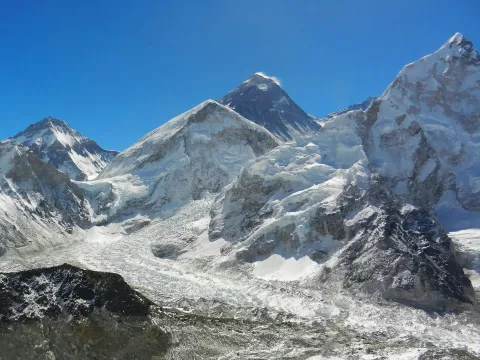
The Everest Base Camp Trek is one of the most iconic high-altitude trekking adventures in the world, taking trekkers deep into the heart of the Khumbu region of Nepal. Operated by Trail Mania Trek, this journey offers a structured 15-day itinerary that combines cultural immersion, Himalayan landscapes, and gradual altitude gain to safely reach Everest Base Camp at 5,364 meters. The trek begins in Kathmandu and transitions through Lukla, Phakding, Namche Bazaar, Tengboche, Dingboche, Lobuche, and finally Gorak Shep before reaching the base of the world’s highest peak.This trek is not just about reaching Everest Base Camp; it is about experiencing Sherpa culture, Buddhist monasteries, suspension bridges, glacier valleys, and panoramic views of Everest, Lhotse, Ama Dablam, and Nuptse. Trail Mania Trek ensures proper acclimatization days in Namche Bazaar and Dingboche, which are critical for reducing altitude sickness risk and improving success rates.The route is carefully designed for both adventure and safety, making it suitable for trekkers with moderate fitness levels who are prepared for long walking days and high-altitude conditions.Iconic Everest Base Camp (5,364 m)Scenic Lukla flight experienceSherpa culture in Namche BazaarViews from Kala Patthar (5,545 m)Glacier and Himalayan landscapesBest Season for Everest Base Camp TrekThe best seasons for the Everest Base Camp Trek organized by Trail Mania Trek are spring (March to May) and autumn (September to November). These months offer the most stable weather conditions, clear mountain views, and safer trekking routes. During spring, the trail is decorated with blooming rhododendrons and moderate temperatures, while autumn provides crisp air and excellent visibility after the monsoon season.Winter (December to February) is also possible but extremely cold at higher altitudes, especially around Lobuche and Gorak Shep. Monsoon season (June to August) is generally avoided due to heavy rain, slippery trails, flight delays in Lukla, and limited visibility of the mountains.Trail Mania Trek carefully schedules departures during peak seasons to maximize safety and visibility, ensuring trekkers experience Everest in its clearest and most photogenic conditions.Seasonal summary:Spring: Best for flowers and stable weatherAutumn: Best for visibility and trekking comfortWinter: Cold but less crowdedMonsoon: Not recommended due to rain and landslidesEverest Base Camp Trek Difficulty and TransportationThe Everest Base Camp Trek is considered moderately challenging to difficult, mainly due to altitude rather than technical climbing. Trail Mania Trek designs the itinerary with gradual elevation gain, but trekkers still walk 5–7 hours daily over uneven terrain, stone steps, and high-altitude landscapes. The main challenge is reduced oxygen levels above 3,500 meters, especially after Namche Bazaar.Transportation begins with a scenic domestic flight from Kathmandu to Lukla, one of the most thrilling airports in the world. This flight is weather-dependent and may experience delays. From Lukla onward, all travel is on foot until the return flight from Lukla back to Kathmandu.The trek requires good physical fitness, stamina, and mental endurance. No technical mountaineering skills are needed, but preparation such as cardio training, hiking practice, and altitude awareness is highly recommended.Difficulty & transport points:Moderate to strenuous trekking levelDaily 5–7 hours walkingNo technical climbing requiredFlight: Kathmandu ↔ Lukla (weather dependent)Walking is the primary mode of transport throughout trekFood and Accommodation for Everest Base Camp TrekDuring the Everest Base Camp Trek organized by Trail Mania Trek, accommodation is provided in local teahouses, which are simple mountain lodges run by Sherpa families. Rooms are usually twin-sharing with basic bedding. As altitude increases, facilities become more basic, especially beyond Dingboche and Lobuche, but they remain clean and safe.Meals are included or available in teahouses and consist of freshly prepared Nepali and international dishes. The most common meal is “Dal Bhat” (rice, lentils, vegetables), which provides high energy for trekking. Other options include noodles, pasta, soups, potatoes, eggs, and Tibetan bread. As altitude increases, menu variety reduces due to transportation limitations.Trail Mania Trek ensures hygienic food stops and recommends warm, energy-rich meals to maintain stamina and reduce altitude fatigue.Food & accommodation points:Teahouse accommodation throughout trekTwin-sharing basic roomsHot meals available at all stopsDal Bhat is the most energy-rich mealLimited variety at higher altitudesEverest Base Camp Trek PermitsTo complete the Everest Base Camp Trek, trekkers require several official permits, which are arranged by Trail Mania Trek to ensure a smooth and hassle-free experience. The main permits include the Sagarmatha National Park Entry Permit and the Khumbu Pasang Lhamu Rural Municipality Permit.These permits are mandatory for all foreign trekkers entering the Everest region. The national park permit helps support conservation efforts, while the local permit contributes to community development in the Khumbu region. All permit checks are conducted at entry points such as Monjo and other checkpoints along the trail.Trail Mania Trek handles all documentation in advance, ensuring trekkers do not face delays or administrative challenges during the journey.Permit essentials:Sagarmatha National Park Permit requiredKhumbu Rural Municipality Permit requiredIssued and managed by Trail Mania TrekChecked at multiple trekking checkpointsMandatory for all trekkersWhy Choose Everest Base Camp Trek with Trail Mania TrekChoosing the Everest Base Camp Trek with Trail Mania Trek ensures a well-organized, safe, and culturally enriching Himalayan experience. The company focuses on guided safety, proper acclimatization scheduling, experienced local guides, and personalized trekking support. This significantly increases comfort and success rates for reaching Everest Base Camp and Kala Patthar.Trail Mania Trek emphasizes responsible tourism, supporting local communities, and ensuring environmentally conscious trekking practices. Their guides are trained in altitude sickness management, emergency response, and cultural interpretation, making the journey both safe and informative.From airport pickup in Kathmandu to the final farewell dinner, every detail is carefully managed to reduce stress and maximize adventure.Why choose Trail Mania Trek:Experienced local guides and portersProper acclimatization planningFull permit and logistics managementSafe and structured 15-day itineraryStrong focus on responsible tourism
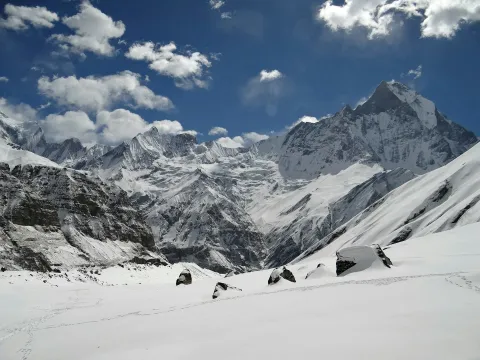
The Annapurna Base Camp Trek (ABC Trek), organized by Trail Mania Trek, is one of the most scenic and rewarding trekking adventures in Nepal. It takes you deep into the heart of the Annapurna Sanctuary, surrounded by towering Himalayan giants like Annapurna I (8,091 m), Machhapuchhre (Fishtail), and Hiunchuli. The journey begins from the culturally rich capital city of Nepal, Kathmandu, followed by a scenic drive to the lake city, Pokhara, before entering the trekking trail through traditional villages, rhododendron forests, and high alpine landscapes.This 13-day itinerary by Trail Mania Trek is carefully designed to balance acclimatization, cultural exploration, and gradual altitude gain. The trek passes through iconic villages like Ghandruk, Chomrong, and Bamboo, eventually reaching the breathtaking Annapurna Base Camp at 4,130 meters. The route offers a mix of natural beauty and cultural immersion, allowing trekkers to experience Gurung hospitality, terraced farming, and Himalayan wilderness in a single journey.A major highlight of this trek is reaching the Annapurna Sanctuary, a natural amphitheater surrounded by snow-covered peaks. The sunrise view from base camp is considered one of the most magical Himalayan experiences. Trail Mania Trek ensures professional guidance, safety support, and well-planned logistics throughout the journey.UNESCO-listed Himalayan trekking regionStunning views of the Annapurna massifCultural villages and Gurung heritageNatural hot springs at Jhinu DandaDiverse landscapes from subtropical to alpine zonesBest Season for Annapurna Base Camp TrekThe best seasons for the Annapurna Base Camp Trek with Trail Mania Trek are spring (March–May) and autumn (September–November). These months offer the most stable weather, clear mountain visibility, and comfortable trekking conditions. During spring, the trails are decorated with blooming rhododendrons and lush greenery, making the journey visually spectacular. Autumn, on the other hand, provides crystal-clear skies and excellent visibility of Himalayan peaks.Winter (December–February) is also possible but comes with heavy snowfall at higher altitudes such as Deurali and Annapurna Base Camp. While the scenery is stunning, temperatures drop significantly, making trekking more challenging. Monsoon season (June–August) is generally avoided due to heavy rainfall, slippery trails, and occasional landslides in the lower regions near Nayapul.Trail Mania Trek carefully schedules departures based on seasonal conditions to ensure safety and the best possible trekking experience. Guides monitor weather forecasts and trail conditions in real-time, making adjustments when necessary.Season breakdown:Spring: Best for flowers and moderate weatherAutumn: Best for mountain views and stable weatherWinter: Cold but peaceful and less crowdedMonsoon: Not recommended due to rain and landslidesOverall, spring and autumn remain the top recommendations for the best trekking experience in the Annapurna region.Annapurna Base Camp Trek Difficulty and TransportationThe Annapurna Base Camp Trek is considered a moderate-level trek, suitable for beginners with reasonable fitness and experienced trekkers alike. The daily walking hours range from 5 to 7 hours, with gradual altitude gain reducing the risk of severe altitude sickness. However, trekkers should still prepare for steep ascents and descents, especially between Chomrong, Dovan, and Deurali.Trail Mania Trek ensures proper acclimatization and pacing throughout the journey. The highest point, Annapurna Base Camp at 4,130 meters, is reached after several days of gradual ascent, which helps the body adjust naturally. No technical climbing skills are required, but endurance and stamina are essential.Transportation is an important part of this itinerary. The journey begins with a tourist bus ride from Kathmandu to Pokhara, followed by a drive to Nayapul, the starting point of the trek. After completing the trek, the return journey follows the same route back to Pokhara and then to Kathmandu.Difficulty factors:Moderate trekking duration (5–7 hours daily)Steep stone stair sections (especially Chomrong)High altitude at ABC (4,130 m)Weather variability in the mountainsTransportation summary:Tourist bus: Kathmandu ↔ PokharaPrivate/shared jeep: Pokhara ↔ NayapulTrekking routes: Nayapul → ABC → NayapulWith proper guidance from Trail Mania Trek, even first-time trekkers can complete this adventure.Food and Accommodation for Annapurna Base Camp TrekFood and accommodation during the Annapurna Base Camp Trek are simple but comfortable, arranged carefully by Trail Mania Trek to ensure hygiene and convenience. Throughout the trail, trekkers stay in local teahouses run by mountain families. These lodges provide basic rooms with twin beds, blankets, and shared bathrooms. As altitude increases, facilities become more basic, but hospitality remains warm and welcoming.Meals are typically served in communal dining halls where trekkers can enjoy a variety of Nepali and international dishes. The most common meal is Dal Bhat (rice, lentils, and vegetables), which provides high energy for trekking. Other available items include noodles, pasta, soups, pancakes, eggs, and tea/coffee.Trail Mania Trek prioritizes clean accommodations and safe food practices, ensuring trekkers remain healthy throughout the journey. Drinking water is available in boiled or filtered form at most teahouses.Accommodation features:Teahouse lodges along the routeBasic but clean twin-sharing roomsShared bathroom facilitiesWarm dining halls at higher altitudesFood highlights:Traditional Dal Bhat power mealsWestern-style breakfasts (toast, eggs, pancakes)Soups and noodles for energyHot drinks for cold conditionsEven though facilities become simpler as you go higher, the combination of mountain hospitality and freshly cooked meals adds to the authentic Himalayan trekking experience.Annapurna Base Camp Trek PermitsTo complete the Annapurna Base Camp Trek, trekkers must obtain two essential permits, which are fully arranged by Trail Mania Trek for convenience and legal compliance. These permits ensure environmental protection and controlled access to the Annapurna Conservation Area.The first permit is the Annapurna Conservation Area Permit (ACAP), which is required for entering the protected region. The second is the Trekkers’ Information Management System (TIMS) card, which helps track trekkers for safety and record-keeping purposes. Both permits are mandatory for foreign and domestic trekkers.Trail Mania Trek handles all permit processing before the trek begins, allowing travelers to focus fully on the journey without administrative stress. All documentation is checked and verified at entry checkpoints along the route.Required permits:Annapurna Conservation Area Permit (ACAP)Trekkers’ Information Management System (TIMS) CardImportant notes:Permits are checked at multiple trail entry pointsLost permits can cause delays or penaltiesCarry passport copies and passport-size photosWith Trail Mania Trek managing the paperwork, trekkers enjoy a smooth, worry-free experience from start to finish.Why Choose Annapurna Base Camp TrekChoosing the Annapurna Base Camp Trek with Trail Mania Trek offers a complete Himalayan experience combining nature, culture, and adventure. This trek is ideal for those who want a shorter yet highly rewarding journey into the heart of the Annapurna region without requiring extreme mountaineering skills.One of the biggest advantages is the diversity of landscapes—from lush green forests and terraced farmlands to alpine glaciers and dramatic mountain basins. The cultural richness of villages like Ghandruk and Chomrong also adds depth to the experience, allowing trekkers to connect with local Gurung traditions and lifestyle.Trail Mania Trek provides experienced guides, safety-focused itineraries, and personalized support, ensuring every trekker feels confident and well-prepared. Emergency support, route planning, and acclimatization schedules are all professionally managed.Reasons to choose this trek:One of Nepal’s most scenic trekking routesPerfect balance of culture and adventureProfessional guidance from Trail Mania TrekModerate difficulty suitable for most trekkersStunning sunrise views from Annapurna Base CampNatural hot springs and diverse ecosystemsIn conclusion, the Annapurna Base Camp Trek is not just a trekking journey—it is a life-changing Himalayan experience. With Trail Mania Trek, it becomes safe, well-organized, and unforgettable from arrival in Kathmandu to departure.
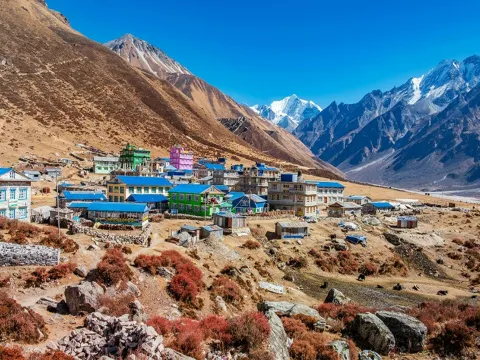
The Langtang Valley Trek is one of Nepal’s most scenic and culturally rich trekking experiences, located just north of Kathmandu. Operated by Trail Mania Trek, this 10-day journey takes you through lush forests, traditional Tamang villages, high alpine valleys, and breathtaking Himalayan viewpoints. The trek follows the classic route through Syabrubesi, Lama Hotel, Langtang Village, and culminates at Kyanjin Gompa, offering an authentic Himalayan experience without the extreme altitude of Everest or Annapurna.This trek is known for its combination of natural beauty and cultural immersion. Trekkers experience dense rhododendron forests, cascading waterfalls, yak pastures, and panoramic views of Langtang Lirung and surrounding peaks. The highlight is the day hike to Tserko Ri (5,000m), offering one of the best sunrise views in the region.Close Himalayan trekking experience near KathmanduAuthentic Tamang and Tibetan-influenced cultureStunning alpine landscapes and glaciersModerate duration (10 days total, including travel)Managed professionally by Trail Mania TrekBest Season for Langtang Valley TrekThe Langtang Valley Trek can be done almost year-round, but certain seasons provide the best visibility, safety, and trekking comfort. Trail Mania Trek strongly recommends choosing either spring or autumn for the most rewarding experience.Spring (March–May):This is one of the most beautiful seasons, as rhododendron forests bloom in vibrant colors. Temperatures are moderate, skies are generally clear, and wildlife activity increases. This season is ideal for photographers and nature lovers.Autumn (September–November):Autumn is the most popular trekking season in Nepal. The monsoon clears the air, leaving crisp mountain views and stable weather. Trails are busy but lively, and conditions are perfect for reaching higher viewpoints like Tserko Ri.Winter & Monsoon (December–February / June–August):Winter offers solitude but cold temperatures and possible snowfall at higher elevations like Kyanjin Gompa. Monsoon brings rain, leeches, and landslides on road sections near Syabrubesi.Best season summary:Spring: Flowers + green landscapesAutumn: Best mountain views + stable weatherWinter: Cold but quiet trailsMonsoon: Least recommendedLangtang Valley Trek Difficulty and TransportationThe Langtang Valley Trek is considered a moderate-level trek, suitable for beginners with reasonable fitness and experienced trekkers seeking a shorter Himalayan adventure. The highest point, Tserko Ri (5,000m), requires good stamina due to altitude gain, but no technical climbing skills are needed.Daily trekking ranges from 3 to 8 hours, with gradual altitude gain from Syabrubesi (1,550m) to Kyanjin Gompa (3,870m). The main challenge is altitude sickness risk and long ascents, especially between the Lama Hotel and Langtang Village.Transportation is a key part of the journey. The trek begins with a long but scenic 7–8 hour drive from Kathmandu to Syabrubesi via mountain roads. Trail Mania Trek organizes private or shared jeep transport depending on group size.Difficulty breakdown:Physical level: ModerateTechnical skill: Not requiredAltitude risk: Moderate to high above 3,500mDaily walking: 3–8 hoursTransportation points:Kathmandu → Syabrubesi (jeep/bus)Return the same route after the trekRoad conditions can be rough during the monsoonFood and Accommodation for Langtang Valley TrekFood and accommodation along the Langtang Valley Trek are simple but comfortable, offering warm hospitality in traditional teahouses. Trail Mania Trek ensures trekkers stay in safe and clean lodges throughout the route, from Syabrubesi to Kyanjin Gompa.Meals are freshly prepared in teahouses using local ingredients. The staple food is Dal Bhat (rice, lentils, vegetables), which provides high energy for trekking. Other options include noodles, pasta, soups, eggs, pancakes, and Tibetan bread. At higher altitudes like Kyanjin Gompa, food options become more limited but still sufficient.Accommodation is mostly twin-sharing rooms with basic bedding. Bathrooms are usually shared, and hot showers may be available for an extra charge. The rooms are cozy but simple, reflecting the remote mountain environment.Food & lodging highlights:Freshly cooked local and international mealsDal Bhat for unlimited energy refillsBasic but warm teahouse accommodationLimited facilities at higher elevationsHot drinks like tea, coffee, and ginger lemon are availableAccommodation points:Twin-sharing roomsShared toilets in most villagesLimited electricity and charging feesWi-Fi available in some lodges (slow connection)Langtang Valley Trek PermitsTo trek in the Langtang region, two main permits are required. Trail Mania Trek handles all permit arrangements to ensure a hassle-free experience for trekkers.The required permits include the Langtang National Park Entry Permit and the TIMS (Trekkers’ Information Management System) Card. These are mandatory for all trekkers entering the region via Syabrubesi.The Langtang National Park permit is used for conservation and environmental protection of the region, which includes forests, wildlife, and cultural heritage areas. The TIMS card helps track trekkers for safety and emergency support.Permit requirements:Langtang National Park Entry PermitTIMS Card (Trekkers’ Information Management System)Passport copy and passport-sized photosImportant notes:Permits checked at multiple checkpointsMust be carried throughout the trekTrail Mania Trek arranges all paperwork in advanceFees contribute to local conservation and community developmentWhy Choose Langtang Valley Trek (Trail Mania Trek)Choosing the Langtang Valley Trek with Trail Mania Trek offers a perfect balance of adventure, culture, and convenience. Unlike more crowded trekking routes, Langtang remains relatively peaceful while still offering stunning Himalayan scenery and rich cultural interaction.One of the main reasons to choose this trek is its accessibility from Kathmandu. In just one day’s drive, you enter a completely different world of mountains, glaciers, and traditional villages. The trek also provides a rewarding experience at moderate difficulty, making it ideal for both beginners and experienced trekkers.The highlight moments include reaching Kyanjin Gompa, exploring yak cheese factories, and hiking to Tserko Ri for panoramic Himalayan views.Why choose this trek:Short travel distance from KathmanduLess crowded than the Everest or Annapurna routesRich Tamang and Tibetan-influenced cultureStunning viewpoints like Tserko RiProfessionally organized by Trail Mania TrekTrail Mania Trek advantages:Experienced local guidesSafe itinerary planningPermit handling and logisticsFlexible customization optionsStrong focus on responsible tourism
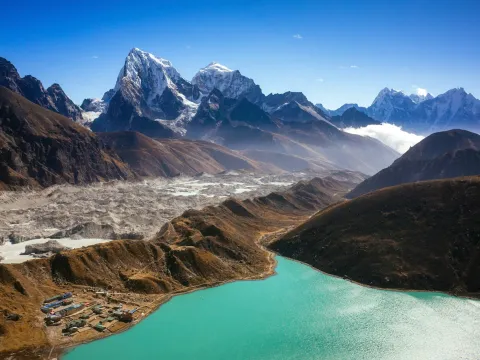
The Everest Three Pass Trek is one of the most adventurous and complete trekking routes in the Everest region of Nepal, combining high mountain passes, remote valleys, Sherpa culture, and iconic Himalayan views. Organized by Trail Mania Trek, this journey connects three major high passes—Kongma La, Cho La, and Renjo La—while also visiting highlights such as Everest Base Camp and Gokyo Lakes. The trek begins in Kathmandu, the capital of Nepal, and continues with a scenic flight to Lukla, the gateway to the Everest region.This itinerary is not just a trek but a full Himalayan expedition that takes you through famous settlements like Namche Bazaar, Tengboche, and Gorak Shep. Trekkers experience diverse landscapes ranging from lush pine forests and suspension bridges to icy glaciers and high-altitude deserts. The trek also offers cultural immersion with the Sherpa communities, ancient monasteries, and traditional Himalayan lifestyles.Cross three high Himalayan passes above 5,300mVisit Everest Base Camp and Kala Patthar viewpointExplore Gokyo Lakes and Ngozumpa GlacierExperience Sherpa culture in Namche Bazaar and TengbocheDesigned for experienced trekkers seeking adventureBest Season for Everest Three Pass TrekThe best time to complete the Everest Three Pass Trek with Trail Mania Trek is during the two main trekking seasons in Nepal: spring (March to May) and autumn (September to November). These months offer the most stable weather conditions, clear skies, and excellent mountain visibility, which are essential for crossing high passes like Kongma La and Cho La safely.During spring, the trails are filled with blooming rhododendrons and moderate temperatures, making the journey visually stunning and comfortable. Autumn, on the other hand, is the most popular season due to crystal-clear views of peaks like Mount Everest and Lhotse. Winter trekking is possible but extremely challenging due to heavy snowfall and freezing temperatures at high passes, while the monsoon season brings rain, slippery trails, and poor visibility.Seasonal Breakdown:Spring (Mar–May): Flowers, stable weather, good visibilityAutumn (Sep–Nov): Best views, safest conditionsWinter (Dec–Feb): Very cold, difficult high passesMonsoon (Jun–Aug): Wet, risky, not recommendedEverest Three Pass Trek Difficulty and TransportationThe Everest Three Pass Trek is considered a strenuous and high-altitude adventure trek, requiring excellent physical fitness, endurance, and prior trekking experience. With multiple passes above 5,300 meters, long walking days, and unpredictable mountain weather, trekkers must be well-prepared for altitude-related challenges. Acclimatization days in places like Dingboche and Namche Bazaar are essential for safety and success.Transportation begins with a domestic flight from Kathmandu to Lukla, one of the world’s most thrilling air routes. From there, all travel is on foot, with support from experienced guides and porters provided by Trail Mania Trek. Emergency helicopter evacuation is also available if needed, especially in high-altitude sections like Kongma La or Cho La Pass.The trek involves walking 6–8 hours daily, steep ascents, glacier crossings, and rocky terrain. Weather changes quickly, and altitude sickness is a real concern above 4,000 meters.Difficulty & Transport Points:Strenuous trekking with high-altitude passesRequires strong physical and mental enduranceFlight: Kathmandu → Lukla → KathmanduNo road transport beyond LuklaEmergency helicopter rescue availableFood and Accommodation for Everest Three Pass TrekDuring the Everest Three Pass Trek, Trail Mania Trek ensures comfortable teahouse accommodation and nutritious meals along the route. Lodges are available in all major stops such as Phakding, Namche Bazaar, Dingboche, Lobuche, and Gokyo. While facilities become more basic at higher altitudes, they provide warm hospitality and essential comfort for trekkers.Food options mainly include traditional Nepali meals like dal bhat (rice, lentils, and vegetables), as well as noodles, soups, potatoes, eggs, and Tibetan bread. In lower regions, international dishes such as pasta, pancakes, and fried rice are also available. As altitude increases, menu variety decreases due to transportation limitations.Accommodation is usually twin-sharing rooms with shared bathrooms. Heating is limited, so sleeping bags are recommended. Teahouses also serve as social hubs where trekkers gather around dining stoves in the evenings.Food & Accommodation Points:Teahouse lodging throughout the trekBasic but clean rooms at higher altitudesNutritious meals (dal bhat, soups, noodles)Limited menu above 4,000mWarm communal dining areas for social interactionEverest Three Pass Trek PermitsTo complete the Everest Three Pass Trek, trekkers need several official permits, which are arranged by Trail Mania Trek for a hassle-free experience. These permits are mandatory to enter the Everest region and to support conservation and local development efforts.The primary permits include the Sagarmatha National Park Entry Permit, which allows access to protected areas including Everest Base Camp and Gokyo region, and the Khumbu Pasang Lhamu Rural Municipality Permit, which replaces the old TIMS card system in the Everest region. These permits are checked at various checkpoints along the route, especially near Namche Bazaar.All permits must be carried throughout the trek, and your guide ensures proper documentation and compliance with local regulations.Permit Checklist:Sagarmatha National Park Entry PermitKhumbu Pasang Lhamu Rural Municipality PermitPassport and passport-size photos requiredManaged fully by Trail Mania TrekChecked at multiple trekking checkpointsWhy Choose Everest Three Pass Trek with Trail Mania TrekChoosing the Everest Three Pass Trek with Trail Mania Trek ensures a professionally guided, safe, and well-organized Himalayan adventure. This trek is not just about reaching Everest Base Camp but about exploring the complete Everest region through its three legendary high passes, offering unmatched panoramic views and cultural depth.Trail Mania Trek provides experienced mountain guides, safety-focused itineraries, proper acclimatization schedules, and emergency support, ensuring trekkers are well-prepared for high-altitude challenges. The company also emphasizes responsible trekking practices, supporting local communities in places like Namche Bazaar, Tengboche, and Gokyo Valley.This trek is ideal for adventure seekers who want a more challenging and less crowded alternative to the standard Everest Base Camp route. It combines physical challenge, natural beauty, and cultural immersion into one epic journey.Why Choose This Trek:Complete the Everest circuit via three high passesExpert guidance from Trail Mania Trek professionalsStrong safety and acclimatization planningCultural immersion in Sherpa villagesBest panoramic Himalayan views in Nepal
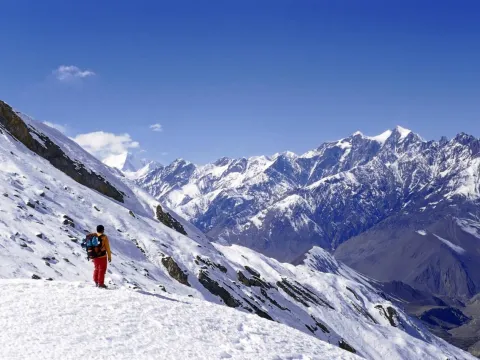
The Annapurna Circuit Trek is one of the most iconic long-distance trekking routes in the Himalayas of Nepal. It circles the Annapurna massif and offers an incredible variety of landscapes—from subtropical valleys and terraced fields to high alpine deserts and the dramatic Thorong La Pass. The itinerary provided by Trail Mania Trek is a classic 17-day journey that blends cultural immersion, natural beauty, and high-altitude adventure.This trek begins in Kathmandu and gradually moves into the Annapurna region, passing through traditional villages like Dharapani, Chame, Pisang, and Manang before crossing the challenging Thorong La Pass (5,416m). After descending to Muktinath, the route continues through Tatopani, Ghorepani, and Ghandruk, eventually ending in Pokhara. The diversity of this route is what makes it exceptional, as trekkers experience Hindu and Buddhist cultures, deep gorges, waterfalls, glaciers, and panoramic mountain views.The trek is not just about scenery; it is also a cultural journey. Villages along the route are inhabited by Gurung, Thakali, and Tibetan-influenced communities. Each settlement offers a glimpse into traditional Himalayan lifestyles that have remained largely unchanged for centuries.Crossing Thorong La Pass (5,416m)Visiting Muktinath TemplePanoramic views of Annapurna & Dhaulagiri rangesCultural villages: Manang, Pisang, and GhandrukNatural hot springs at TatopaniBest Season for Annapurna Circuit TrekThe best seasons for the Annapurna Circuit Trek are spring (March to May) and autumn (September to November). These periods offer the most stable weather conditions, clear mountain views, and comfortable trekking temperatures. During spring, the trails are decorated with blooming rhododendrons, while autumn provides crisp air and excellent visibility after the monsoon rains.Spring is particularly popular among trekkers because of its vibrant landscapes and moderate temperatures. Higher regions like Manang and Thorong Phedi are accessible without extreme cold, making acclimatization more comfortable. Autumn, however, is considered the peak trekking season due to its stable weather and crystal-clear Himalayan views, especially of Annapurna I, Dhaulagiri, and Machhapuchhre.Winter (December to February) is possible but challenging due to heavy snowfall at higher altitudes, especially near Thorong La Pass. Monsoon season (June to August) brings rain, landslides, and leeches in lower regions, making trekking more difficult.Best seasonal tips:Spring: Best for flowers and moderate weatherAutumn: Best for visibility and stable trailsWinter: Only for experienced trekkersMonsoon: Not recommended due to rain and landslidesTrail Mania Trek recommends autumn as the most reliable season for this full circuit itinerary.Annapurna Circuit Trek Difficulty and TransportationThe Annapurna Circuit Trek is considered moderate to challenging, primarily due to its long duration, varied terrain, and high-altitude pass crossing. The most demanding section is the ascent to Thorong La Pass at 5,416 meters, where altitude sickness and weather conditions can significantly impact performance.Trekkers walk for 5–8 hours per day on average, with some shorter acclimatization days in places like Manang. The trail includes steep ascents, rocky paths, suspension bridges, and occasional snow at higher elevations. Good physical fitness and prior trekking experience are highly recommended, although beginners can complete the trek with proper preparation and pacing.Transportation is a mix of road travel and trekking. The journey begins with a drive from Kathmandu to Syange/Jagat, followed by continuous trekking until Muktinath. From there, another road journey leads to Tatopani, followed by trekking again to Ghorepani and onward to Pokhara. Finally, a scenic drive returns to Kathmandu.Difficulty factors:High altitude crossing (Thorong La Pass)Long trekking days (5–8 hours)Variable terrain (rock, forest, snow)Weather changes at high elevationTransportation highlights:Kathmandu → Syange (jeep/bus)Muktinath → Tatopani (drive)Pokhara → Kathmandu (tourist bus/vehicle)Trail Mania Trek provides experienced guides to manage acclimatization and safe navigation throughout the route.Food and Accommodation for Annapurna Circuit TrekFood and accommodation along the Annapurna Circuit are provided by local teahouses, which are simple but comfortable lodges run by mountain communities. These teahouses offer basic private or shared rooms, usually with twin beds, blankets, and shared bathroom facilities. As altitude increases, accommodations become more basic, but hospitality remains warm and welcoming.Meals are typically included in trekking packages and consist of fresh, locally prepared dishes. The most common meal is Dal Bhat (rice, lentil soup, and vegetables), which provides high energy for trekking. Other options include noodles, pasta, soups, fried rice, momos (dumplings), and Tibetan bread. In lower regions, menus are more varied, while higher regions have limited food choices due to transportation constraints.Hot drinks such as tea, coffee, and ginger lemon honey are widely available and essential for hydration and warmth. Drinking water is available but must be treated or purchased as bottled water.Accommodation features:Teahouse lodges along the trailTwin-sharing roomsBasic but clean facilitiesHot showers are available in the lower regionsFood options:Dal Bhat (main energy meal)Noodles and pastaSoups and fried riceTea, coffee, and herbal drinksTrail Mania Trek ensures hygienic food arrangements and selects reliable teahouses for comfort and safety during the journey.Annapurna Circuit Trek PermitsTo complete the Annapurna Circuit Trek, trekkers must obtain specific permits required by the Nepalese government. These permits help conserve the Annapurna region and support local communities. The two main permits required are the Annapurna Conservation Area Permit (ACAP) and the Trekkers’ Information Management System (TIMS) card.The ACAP permit allows entry into the protected Annapurna Conservation Area, which is home to diverse wildlife, forests, and cultural heritage sites. The TIMS card helps track trekkers for safety purposes, ensuring proper monitoring in case of emergencies. These permits are usually arranged in Kathmandu or Pokhara before the trek begins.Foreign nationals must carry valid passports and passport-sized photos for permit processing. The trekking agency, such as Trail Mania Trek, typically handles all permit arrangements, making the process hassle-free for trekkers.Required permits:Annapurna Conservation Area Permit (ACAP)TIMS (Trekkers’ Information Management System)Valid passport and photosPermit benefits:Supports conservation effortsEnsures trekker safety trackingFunds local community developmentRegulates trekking activities in the regionProper permit management ensures a smooth and legal trekking experience throughout the Annapurna Circuit.Why Choose Annapurna Circuit TrekThe Annapurna Circuit Trek is one of the most rewarding trekking experiences in the world due to its unmatched diversity in landscapes, culture, and altitude variation. Unlike shorter treks, this route offers a complete Himalayan experience—from lush green valleys to arid mountain deserts and high passes.Choosing this trek with Trail Mania Trek ensures professional guidance, safety management, and well-organized logistics throughout the journey. Experienced guides help with acclimatization, navigation, and cultural interpretation, making the trek more meaningful and secure.Another major reason to choose this trek is its cultural richness. Trekkers pass through Hindu pilgrimage sites like Muktinath and Buddhist-influenced villages in Manang, offering a deep understanding of Nepal’s spiritual diversity. The combination of nature, culture, and adventure makes it a life-changing journey.Top reasons to choose this trek:Diverse landscapes from the lowlands to the high HimalayasCrossing the famous Thorong La PassRich cultural and spiritual experiencesNatural hot springs and scenic villagesWell-supported itinerary with expert guidesUltimately, the Annapurna Circuit Trek is not just a physical journey but a transformative experience that combines adventure, endurance, and cultural discovery in one of the world’s most stunning mountain regions.
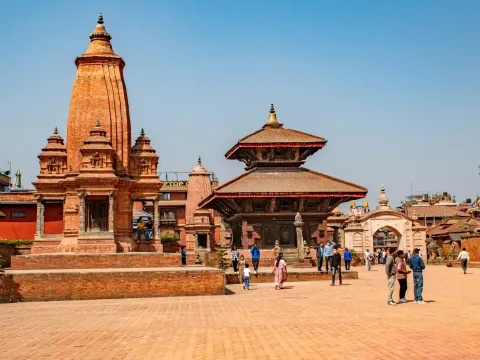
The Nepal Highlight Tour is a carefully designed cultural and natural sightseeing journey that introduces travelers to the most iconic destinations of Nepal within ten days. This tour combines ancient heritage sites, breathtaking mountain viewpoints, charming hill towns, wildlife adventures, and vibrant local cultures. From the historic temples and palaces of Kathmandu Valley to the stunning Himalayan sunrise from Nagarkot and Sarangkot, every day offers a unique experience.The journey continues through the picturesque city of Pokhara, the traditional hill settlement of Bandipur, and the wildlife-rich Chitwan National Park. Travelers will enjoy a balanced combination of cultural exploration, scenic drives, mountain views, and jungle activities. This itinerary is ideal for families, couples, solo travelers, and small groups seeking a complete Nepal experience without undertaking strenuous trekking.Explore UNESCO World Heritage Sites in KathmanduWitness sunrise views over the Himalayas from NagarkotEnjoy boating and sightseeing in PokharaVisit Sarangkot for panoramic mountain vistasDiscover the traditional town of BandipurExperience jungle safari activities in Chitwan National ParkEncounter Nepal’s rich culture, wildlife, and natural beautyBest Season for Nepal Highlight TourThe Nepal Highlight Tour can be enjoyed throughout the year, but the most favorable seasons are spring (March to May) and autumn (September to November). During these months, the weather remains stable, skies are generally clear, and mountain views are exceptionally beautiful. Spring offers colorful rhododendron blooms and pleasant temperatures, while autumn provides crisp air and excellent visibility of the Himalayan range.Winter (December to February) is also suitable for sightseeing, especially for travelers who prefer quieter destinations and cooler temperatures. Summer and monsoon months (June to August) bring lush green landscapes and fewer crowds, although occasional rainfall may affect mountain visibility and road travel.Best Time Summary:Spring (March–May): Blooming flowers and mild weatherAutumn (September–November): Best mountain views and pleasant climateWinter (December–February): Clear skies and fewer touristsMonsoon (June–August): Green landscapes and peaceful travelNepal Highlight Tour Difficulty and TransportationThe Nepal Highlight Tour is considered an easy and comfortable trip suitable for travelers of all ages and fitness levels. Since the itinerary focuses on sightseeing, cultural exploration, and wildlife activities, no prior trekking experience or physical training is required. Most attractions are easily accessible, and walking is limited to sightseeing areas, heritage sites, and short nature walks.Transportation plays a significant role in this tour. Travelers will journey between destinations using comfortable private tourist vehicles. The scenic drives from Kathmandu to Pokhara, Bandipur, and Chitwan offer beautiful views of rivers, hills, villages, and mountain landscapes. Professional drivers and well-maintained vehicles ensure a safe and enjoyable travel experience throughout the journey.Difficulty & Transportation:Easy and family-friendly tourNo trekking experience requiredSuitable for children and senior travelersComfortable private tourist vehicle transfersScenic highway drives across NepalProfessional and experienced driversFood and Accommodation for Nepal Highlight TourDuring the Nepal Highlight Tour, travelers stay in comfortable tourist-standard hotels and lodges selected for their quality service, cleanliness, and convenient locations. Accommodation ranges from city hotels in Kathmandu and Pokhara to charming mountain-view hotels in Nagarkot and nature resorts in Chitwan. Rooms typically include private bathrooms, comfortable beds, and modern facilities.Food is another memorable part of the journey. Travelers can enjoy a variety of Nepali, Indian, Chinese, and Continental dishes. Traditional Nepali Dal Bhat, momos, fresh vegetables, soups, and local specialties are widely available throughout the tour. In major tourist destinations, restaurants offer extensive menus catering to vegetarian and non-vegetarian preferences.Food & Accommodation Features:Comfortable hotel accommodationPrivate rooms with attached bathroomsMountain-view hotels in NagarkotResort stay in Chitwan National ParkNepali and international cuisine optionsVegetarian meals available throughout the tourNepal Highlight Tour PermitsOne of the advantages of the Nepal Highlight Tour is that it requires very few permits compared to trekking adventures. Since the itinerary mainly covers cultural and sightseeing destinations, travelers only need entrance tickets for heritage sites, museums, temples, and protected areas. Chitwan National Park requires an entry permit, which allows visitors to participate in jungle safari activities and wildlife exploration.Trail Mania Trek assists guests with all necessary permit arrangements, ensuring a hassle-free travel experience. Visitors are advised to carry a valid passport and passport-sized photographs if required during the trip. Our team handles the logistics so travelers can focus on enjoying their holiday.Required Permits:Kathmandu heritage site entrance ticketsChitwan National Park entry permitMuseum and cultural monument feesValid passport for identificationPermit assistance provided by Trail Mania TrekWhy Choose Nepal Highlight TourThe Nepal Highlight Tour is the perfect choice for travelers who want to experience the diversity of Nepal within a short period. The itinerary showcases the country's most famous attractions, combining culture, history, nature, mountains, and wildlife into one unforgettable journey. It offers an excellent introduction to Nepal while maintaining a comfortable pace and a high level of convenience.Choosing Trail Mania Trek ensures professional service, experienced guides, reliable transportation, quality accommodations, and personalized attention throughout the tour. Our dedicated team is committed to creating memorable travel experiences while maintaining high standards of safety, comfort, and customer satisfaction.Why Travel with Trail Mania Trek?Carefully designed and balanced itineraryExperienced local guides and staffComfortable transportation and accommodationExcellent customer support throughout the tripAuthentic cultural and wildlife experiencesSuitable for families, couples, and groupsCompetitive pricing with quality serviceTrusted local travel company in NepalWith Trail Mania Trek, the Nepal Highlight Tour offers the perfect blend of culture, scenic beauty, adventure, and relaxation, allowing travelers to discover the true essence of Nepal in just ten unforgettable days.
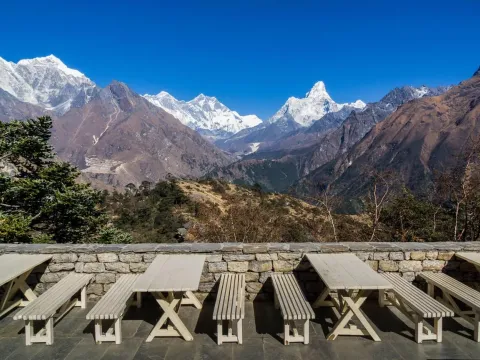
Everest View Trekking is one of the most popular short and scenic trekking adventures in the Everest region of Nepal, offering breathtaking Himalayan views without requiring a long and extremely challenging high-altitude journey. Organized by Trail Mania Trek, this trek is designed for travelers who want to experience the beauty of the Everest region, explore Sherpa culture, visit traditional mountain villages, and enjoy panoramic views of the world’s highest peaks, including Mount Everest, Ama Dablam, Lhotse, and Thamserku.The journey begins with a scenic mountain flight from Kathmandu or Manthali to Lukla, followed by trekking through beautiful landscapes of the Khumbu region. The trail passes through charming Sherpa settlements such as Phakding, Namche Bazaar, Khumjung Village, and Tengboche, allowing trekkers to experience the unique traditions and lifestyle of the Himalayan communities. One of the major highlights of this trek is the visit to Everest View Hotel, where trekkers can enjoy spectacular views of Everest and surrounding peaks.The Everest View Trek is perfect for beginners, families, senior travelers, and adventure seekers who have limited time but still want to experience the magic of the Everest region. With comfortable teahouse stays, moderate walking distances, and carefully planned itineraries, Trail Mania Trek ensures a safe, enjoyable, and memorable Himalayan experience.Scenic flight between Kathmandu/Manthali and LuklaFirst Himalayan experience in the Everest regionVisit to Namche Bazaar, the gateway to EverestPanoramic views from Everest View HotelExploration of traditional Sherpa villagesVisit to Tengboche MonasteryExperience of Himalayan culture and hospitalityStunning views of Everest, Lhotse, Ama Dablam, and other peaksBest Season for Everest View TrekkingChoosing the right season is very important for enjoying the best experience during the Everest View Trek. The Everest region can be visited throughout the year, but spring and autumn are considered the most favorable seasons due to stable weather, clear mountain views, and comfortable trekking conditions.The spring season (March to May) is one of the best times for Everest View Trekking. During this period, the weather is generally pleasant, the skies are clearer, and the forests along the trail become colorful with blooming rhododendron flowers. Trekkers can enjoy excellent views of snow-covered mountains while walking through beautiful valleys and villages.Autumn (September to November) is another ideal season and is considered the peak trekking period in Nepal. After the monsoon season, the air becomes fresh, visibility improves, and the Himalayan landscapes appear extremely clear. The comfortable temperatures and dry trails make autumn perfect for photography and mountain exploration.Winter (December to February) is also possible for experienced trekkers who enjoy peaceful trails and fewer crowds. However, temperatures can drop significantly, especially in the mornings and evenings. The monsoon season (June to August) brings rainfall and cloudy conditions, which may affect mountain visibility and flight operations.Best Seasons for Everest View Trek:Spring (March–May): Best mountain views and blooming forestsAutumn (September–November): Clear skies and excellent trekking conditionsWinter (December–February): Peaceful trails with colder weatherMonsoon (June–August): Possible but less recommended due to rain and cloudsEverest View Trekking Difficulty and TransportationEverest View Trekking is considered a moderate-level trekking adventure suitable for people with a basic level of fitness. Unlike longer Everest trekking routes that reach extreme altitudes, this trek follows a shorter itinerary with manageable walking hours. However, trekkers should be prepared for uphill and downhill sections, uneven mountain trails, and altitude changes.The highest point of the trek is around 3,880 meters at the Everest View Hotel area. Although the altitude is not extremely high compared to other Everest expeditions, proper acclimatization and a slow walking pace are important. Trail Mania Trek carefully designs the itinerary with enough time to adjust to the mountain environment and reduce the possibility of altitude-related problems.Transportation for the Everest View Trek mainly includes a scenic flight from Kathmandu or Manthali Airport to Lukla. The Lukla flight itself is an exciting adventure, offering incredible aerial views of Himalayan peaks, green hills, rivers, and mountain villages. During some seasons, flights may operate through Manthali Airport due to airport traffic management in Kathmandu.Difficulty and Transportation Features:Trek grade: ModerateSuitable for beginners with good fitnessMaximum altitude: Approximately 3,880 metersDaily walking duration: Around 4–7 hoursTransportation: Kathmandu/Manthali to Lukla flightLocal transportation support by Trail Mania TrekExperienced trekking guides and support teamFood and Accommodation for Everest View TrekDuring the Everest View Trek, Trail Mania Trek provides comfortable accommodation and nutritious meals to ensure trekkers remain energetic throughout the journey. Accommodation is arranged mainly in traditional teahouses operated by local Sherpa families. These teahouses provide a warm and welcoming environment where trekkers can experience authentic Himalayan hospitality.Rooms are generally simple but comfortable, usually including twin-sharing beds, blankets, and basic facilities. Most teahouses provide common dining areas where trekkers can relax, share stories, and enjoy beautiful mountain views. Although facilities become more basic at higher elevations, the friendly service and cultural experience make teahouse stays one of the highlights of trekking in Nepal.Food during the trek includes a variety of local and international dishes. Traditional Nepali meals such as Dal bhat are widely available and provide excellent energy for trekking. Trekkers can also enjoy noodles, soups, pasta, bread, eggs, vegetables, and other simple meals.Food and Accommodation Services:Comfortable teahouse accommodationTwin-sharing roomsTraditional Nepali mealsVegetarian and non-vegetarian optionsHot drinks such as tea and coffeeClean dining facilitiesLocal Sherpa hospitality experienceEverest View Trekking PermitsEverest View Trekking requires specific permits to enter and trek through the protected areas of the Everest region. Trail Mania Trek manages the necessary documentation and helps trekkers obtain all required permits before starting the journey.The main permit required for this trek is the Sagarmatha National Park entry permit. This permit is necessary because the trekking route passes through Sagarmatha National Park, a UNESCO World Heritage Site known for its unique Himalayan ecosystem, wildlife, and natural beauty.Trekkers may also require the local Khumbu Pasang Lhamu Rural Municipality permit, which supports local development and management of trekking activities in the region. Having the correct permits ensures legal entry, conservation support, and responsible tourism practices.Required Trekking Permits:Sagarmatha National Park Entry PermitKhumbu Pasang Lhamu Rural Municipality PermitPassport copy and photographsPermit arrangement support from Trail Mania TrekResponsible trekking practices in protected areasWhy Choose Everest View Trekking with Trail Mania TrekChoosing the right trekking company is essential for a safe and enjoyable Himalayan adventure. Trail Mania Trek provides professionally organized Everest View Trekking packages with experienced guides, carefully planned itineraries, and personalized services. The company focuses on creating memorable experiences while maintaining safety, comfort, and responsible tourism standards.With knowledgeable local guides, trekkers can gain deeper insights into Sherpa culture, mountain traditions, and the history of the Everest region. Trail Mania Trek ensures that every part of the journey, including transportation, accommodation, permits, and trekking support, is properly managed so travelers can focus on enjoying the Himalayan scenery.Everest View Trek with Trail Mania Trek is an excellent choice for those seeking a shorter Himalayan adventure with unforgettable mountain views and cultural experiences. Whether you are a first-time trekker or an experienced traveler looking for a relaxing Everest experience, this trek offers the perfect combination of adventure, nature, and local culture.Reasons to Choose Trail Mania Trek:Experienced and professional trekking teamLocal knowledge of the Everest regionWell-planned and flexible itinerariesSafety-focused trekking approachComfortable accommodation arrangementsSupport with permits and logisticsAuthentic Sherpa cultural experiencesCommitment to responsible tourism and customer satisfactionTrail Mania Trek’s Everest View Trek is more than just a mountain journey—it is an opportunity to experience the beauty of the Himalayas, the warmth of Sherpa communities, and the unforgettable spirit of Nepal.
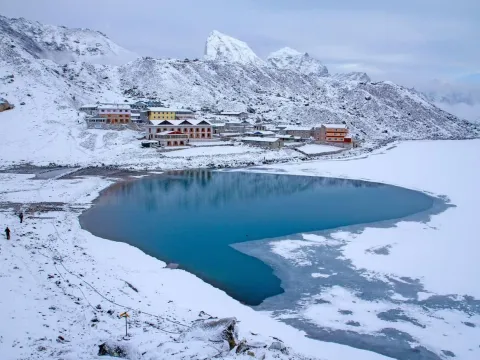
Gokyo Ri Trekking is one of the most spectacular and rewarding adventures in the Everest region of Nepal. This trek offers an incredible combination of Himalayan scenery, Sherpa culture, peaceful valleys, and breathtaking mountain viewpoints. Unlike the classic Everest Base Camp route, the Gokyo Ri Trek takes you through the less crowded and naturally beautiful Gokyo Valley, where you can explore the famous turquoise Gokyo Lakes and climb Gokyo Ri at an elevation of 5,357 meters. The summit of Gokyo Ri provides one of the best panoramic views in Nepal, including four of the world’s highest mountains: Mount Everest, Lhotse, Makalu, and Cho Oyu.Organized by Trail Mania Trek, the Gokyo Ri Trek is carefully designed for travelers who want an unforgettable Himalayan experience with proper acclimatization, professional guidance, and cultural exploration. The journey begins with a scenic flight to Lukla and follows beautiful trails through traditional Sherpa villages such as Namche Bazaar, Khumjung, Dole, Machhermo, and Gokyo. Along the way, trekkers experience ancient monasteries, prayer flags, suspension bridges, alpine forests, glaciers, and the unique lifestyle of mountain communities.Scenic mountain flight from Kathmandu/Manthali to LuklaExploring the vibrant Sherpa town of Namche BazaarVisiting traditional Khumjung and Khunde villagesWalking beside the beautiful Gokyo LakesHiking to the summit of Gokyo Ri (5,357m)Panoramic views of Everest, Lhotse, Makalu, and Cho OyuExperiencing authentic Sherpa hospitality and cultureTrekking through Sagarmatha National ParkGokyo Ri Trekking is ideal for adventure lovers who want a challenging Himalayan journey without the extreme crowds of some popular Everest routes. With the expert support of Trail Mania Trek, trekkers can enjoy a safe, comfortable, and memorable adventure in the heart of the Himalayas.Best Season for Gokyo Ri TrekkingChoosing the right season is essential for a successful and enjoyable Gokyo Ri Trek. Nepal experiences different weather conditions throughout the year, and the best trekking seasons provide clear mountain views, stable weather, and comfortable walking conditions. The two main trekking seasons for Gokyo Ri are spring and autumn, when the Himalayan environment is at its most beautiful.Spring (March to May) is one of the best times for Gokyo Ri Trekking. During this season, the weather becomes warmer, the skies are generally clear, and the hills are decorated with colorful rhododendron flowers. The pleasant temperature makes trekking comfortable, and the excellent visibility allows trekkers to enjoy stunning views of Everest and surrounding peaks. Spring is also a great time to experience the natural beauty of Nepal’s mountain landscapes.Autumn (September to November) is considered the peak trekking season in Nepal. After the monsoon season ends, the skies become crystal clear, offering some of the best Himalayan views of the year. The trails are dry, the weather is stable, and the mountain scenery is spectacular. Trail Mania Trek recommends autumn for travelers seeking the best combination of favorable weather and breathtaking views.Best seasons for Gokyo Ri Trekking:Spring (March–May): Warm weather, blooming flowers, excellent mountain viewsAutumn (September–November): Clear skies, stable climate, perfect trekking conditionsWinter (December–February): Possible for experienced trekkers but colder with snowMonsoon (June–August): Less recommended due to rain, slippery trails, and cloudy viewsTrail Mania Trek operates Gokyo Ri Trek throughout the year with customized planning according to weather conditions, traveler experience, and personal preferences.Gokyo Ri Trekking Difficulty and TransportationGokyo Ri Trekking is considered a moderate to challenging high-altitude trek in the Everest region. The difficulty comes mainly from the increasing elevation, long walking hours, and steep sections of the trail rather than technical climbing. Trekkers need good physical fitness, proper preparation, and a positive mindset to complete the journey successfully. The highest point of the trek is the Gokyo Ri summit at 5,357 meters, where altitude awareness and gradual acclimatization are extremely important.The typical trekking duration is around 11 to 13 days, depending on the itinerary and acclimatization schedule. Each day usually involves walking between 4 to 7 hours through different landscapes, including forests, rocky paths, valleys, and mountain passes. Trail Mania Trek follows a carefully planned route that allows your body to adjust naturally to increasing altitude while minimizing the risks of altitude-related problems.Difficulty factors include:High altitude above 5,000 metersLong trekking daysSteep uphill sectionsChanging mountain weather conditionsBasic mountain trail conditionsTransportation during the Gokyo Ri Trek begins with a scenic mountain flight from Kathmandu or Manthali Airport to Lukla. Lukla is the main gateway to the Everest region. After completing the trek, trekkers return to Lukla and take a flight back to Kathmandu. Trail Mania Trek arranges all necessary transportation services, including airport transfers, domestic flights, and trekking logistics, ensuring a smooth and comfortable travel experience.Food and Accommodation for Gokyo Ri TrekkingFood and accommodation play an important role in maintaining energy and comfort during the Gokyo Ri Trek. Throughout the journey, trekkers stay in traditional mountain teahouses operated by local Sherpa families. These teahouses provide simple but comfortable rooms, warm meals, and a welcoming environment where travelers can experience authentic Himalayan hospitality.The accommodation is generally based on twin-sharing rooms with basic facilities. Most teahouses provide beds, blankets, pillows, and shared bathrooms. In some higher-altitude areas like Machhermo and Gokyo, facilities become more basic due to the remote mountain environment. Trail Mania Trek carefully selects reliable teahouses to ensure cleanliness, safety, and comfortable resting conditions.Meals during the trek are designed to provide enough energy for long walking days. Trekkers can enjoy a variety of local and international dishes prepared by teahouse cooks.Common food options include:Dal Bhat (rice, lentils, and vegetables)Noodles and pastaTibetan breadSoups and vegetablesEggs and pancakesTea, coffee, and hot drinksSnacks for trekking energyTrail Mania Trek understands the importance of nutrition and hydration during high-altitude trekking. Our guides provide advice about suitable meals, drinking enough water, and maintaining energy throughout the journey.Gokyo Ri Trekking PermitsGokyo Ri Trekking takes place inside the protected Everest region, which requires trekkers to obtain specific permits before starting the journey. These permits help protect the natural environment, preserve local culture, and support conservation activities in the Himalayan region. Trail Mania Trek assists all trekkers with the necessary documentation and permit arrangements before and during the trek.The main permits required for the Gokyo Ri Trek are:Sagarmatha National Park Entry PermitKhumbu Pasang Lhamu Rural Municipality PermitThe Sagarmatha National Park Permit is required because the trekking route passes through Sagarmatha National Park, a UNESCO World Heritage Site known for its unique biodiversity, glaciers, forests, and Himalayan landscapes. The local municipality permit supports the development and maintenance of trekking infrastructure in the Khumbu region.Trekkers should carry their passport details and necessary documents when applying for permits. Trail Mania Trek manages the permit process professionally, allowing travelers to focus on enjoying their adventure without worrying about administrative procedures.Having proper permits ensures a responsible trekking experience while contributing to the protection of Nepal’s beautiful mountain environment and local communities.Why Choose Gokyo Ri TrekkingGokyo Ri Trekking is an excellent choice for travelers who want a unique Himalayan adventure filled with breathtaking scenery, cultural experiences, and peaceful mountain trails. Compared with some busier trekking routes in the Everest region, the Gokyo Valley offers a quieter and more natural experience. The combination of turquoise lakes, glaciers, traditional Sherpa villages, and panoramic mountain views makes this trek one of Nepal’s most unforgettable journeys.Choosing Trail Mania Trek means traveling with an experienced and reliable trekking company dedicated to providing quality service, safety, and authentic Himalayan experiences. Our professional guides have extensive knowledge of the Everest region and ensure that every part of your journey is carefully organized, from transportation and accommodation to permits and altitude management.Reasons to choose Gokyo Ri Trekking with Trail Mania Trek:Experienced and professional trekking guidesCarefully planned acclimatization schedulePersonalized trekking servicesSafe and comfortable travel arrangementsAuthentic Sherpa cultural experiencesStunning views of the world’s highest mountainsSupport with permits, transportation, and logisticsResponsible and environmentally friendly trekking practicesGokyo Ri Trekking is more than just a mountain journey; it is an opportunity to connect with nature, explore Himalayan traditions, and create lifelong memories. With Trail Mania Trek as your trusted adventure partner, you can experience the beauty and spirit of the Everest region in a safe, enjoyable, and unforgettable way.
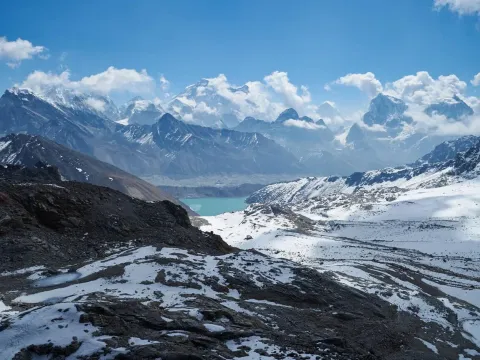
Gokyo Ri Renjo La Pass Trekking is one of the most spectacular and adventurous trekking journeys in the Everest region of Nepal. This incredible trek combines the beauty of the peaceful Gokyo Valley, the panoramic viewpoint of Gokyo Ri, and the thrilling crossing of Renjo La Pass (5,465m). Organized by Trail Mania Trek, this journey is designed for trekkers who want to experience the hidden side of the Everest region while avoiding some of the busier trails. The trek offers breathtaking views of some of the world’s highest mountains, including Mount Everest, Lhotse, Makalu, Cho Oyu, and Ama Dablam.The route takes you through traditional Sherpa villages, ancient monasteries, beautiful forests, glacial landscapes, and turquoise Gokyo Lakes. Unlike the classic Everest Base Camp Trek, the Gokyo Ri Renjo La Pass Trek provides a more peaceful and culturally immersive experience. Trekkers have the opportunity to explore authentic Himalayan communities while enjoying dramatic mountain scenery throughout the journey.Trail Mania Trek provides professional trekking services, experienced guides, reliable porters, and carefully planned itineraries to ensure a safe and memorable adventure. The trek includes proper acclimatization days, comfortable accommodation arrangements, and support throughout the journey, making it suitable for adventure seekers looking for an unforgettable Himalayan experience.Scenic mountain flight to Lukla with Himalayan viewsExploration of the beautiful Gokyo Valley and turquoise lakesSunrise view from Gokyo Ri (5,357m)Crossing the challenging Renjo La Pass (5,465m)Panoramic views of Everest, Cho Oyu, Lhotse, and MakaluExperience of Sherpa culture and mountain lifestyleVisit traditional villages like Namche Bazaar, Khumjung, and ThameLess crowded alternative route in the Everest regionBest Season for Gokyo Ri Renjo La Pass TrekkingChoosing the right season is very important for a successful and enjoyable Gokyo Ri Renjo La Pass Trek. The best seasons for this adventure are spring (March to May) and autumn (September to November). During these months, the weather remains stable, the skies are clear, and the mountain views are at their best. Trail Mania Trek recommends these seasons because trekkers can enjoy comfortable temperatures, excellent visibility, and safer conditions while crossing Renjo La Pass.Spring is a beautiful time to trek in the Everest region because the hills and forests are covered with blooming rhododendron flowers. The trails become colorful, and the pleasant weather makes walking more enjoyable. Autumn is considered the peak trekking season because of crystal-clear mountain views, stable weather, and excellent trail conditions after the monsoon season.Winter trekking (December to February) is also possible for experienced trekkers who can handle cold temperatures and snowy conditions. However, Renjo La Pass may become more challenging due to heavy snowfall. The monsoon season (June to August) is generally less recommended because rain, clouds, and flight delays can affect the trekking experience.Best Seasons for Gokyo Ri Renjo La Pass Trek:Spring (March–May): Best for flowers, pleasant weather, and clear viewsAutumn (September–November): Best overall season with stable conditionsWinter (December–February): Suitable for experienced trekkers seeking fewer crowdsMonsoon (June–August): Less recommended due to rain and cloudy weatherGokyo Ri Renjo La Pass Trekking Difficulty and TransportationGokyo Ri Renjo La Pass Trekking is considered a moderate to challenging high-altitude trek in the Everest region. The main challenge of this trek is the altitude, especially while reaching Gokyo Ri and crossing Renjo La Pass at 5,465 meters. Trekkers need good physical fitness, proper preparation, and a positive mindset to complete the journey successfully. The daily walking duration generally ranges from 4 to 7 hours, depending on the trekking section.The Renjo La Pass crossing is the most demanding part of the trek because of the steep ascent, high elevation, and rocky terrain. However, with proper acclimatization, a gradual itinerary, and guidance from experienced Trail Mania Trek professionals, most physically prepared trekkers can complete this adventure safely.Transportation for the trek begins with a scenic flight from Kathmandu or Manthali Airport to Lukla. The mountain flight itself is an unforgettable experience, offering incredible views of Himalayan peaks, valleys, and landscapes. After completing the trek, trekkers return to Lukla and take a flight back to Kathmandu.Difficulty and Transportation Features:Moderate to challenging trekking gradeMaximum elevation: Renjo La Pass (5,465m)Requires good physical fitness and preparationDaily walking duration: approximately 4–7 hoursScenic Kathmandu/Manthali to Lukla flightProfessional guide and porter support from Trail Mania TrekProper acclimatization schedule for altitude adjustmentFood and Accommodation for Gokyo Ri Renjo La Pass TrekkingDuring the Gokyo Ri Renjo La Pass Trek, trekkers stay in comfortable teahouses and lodges operated by local Himalayan families. These accommodations provide a warm and friendly atmosphere where visitors can experience authentic Sherpa hospitality. Although facilities become more basic at higher elevations, teahouses offer clean rooms, comfortable beds, blankets, and shared dining areas.Trail Mania Trek carefully selects reliable accommodations along the trekking route to ensure safety and comfort. Most rooms are twin-sharing, and facilities such as hot showers and charging services may be available at additional costs depending on the location. Staying in local lodges also allows trekkers to connect with local communities and learn about Himalayan culture.Food during the trek is nutritious and designed to provide enough energy for long trekking days. Teahouses offer a variety of meals, including traditional Nepali dishes, Tibetan-inspired foods, and common international options. A balanced diet helps trekkers maintain strength while walking through challenging mountain terrain.Food and Accommodation Includes:Comfortable teahouse and lodge accommodationTwin-sharing rooms during the trekTraditional Nepali meals and international food optionsDal Bhat, noodles, soups, rice, pasta, and Tibetan breadWarm dining areas with mountain viewsLocal Sherpa hospitality experienceMeals planned for energy and high-altitude trekkingGokyo Ri Renjo La Pass Trekking PermitsGokyo Ri Renjo La Pass Trekking requires several permits because the route lies within the protected Everest region. Trail Mania Trek manages the necessary permit arrangements to make the trekking process smooth and convenient for guests. These permits support conservation activities, environmental protection, and the development of local communities in the Himalayan region.The main permits required for this trek include the Sagarmatha National Park Permit and the Khumbu Pasang Lhamu Rural Municipality Permit. These permits are mandatory for all trekkers entering the Everest region. Trekkers must carry valid identification documents and passport details during the permit registration process.Obtaining permits through Trail Mania Trek saves time and ensures that all legal requirements are completed before starting the adventure. Our experienced team guides documentation, permit procedures, and trekking preparation.Required Permits:Sagarmatha National Park Entry PermitKhumbu Pasang Lhamu Rural Municipality PermitValid passport copyPassport-sized photographs if requiredPermit arrangements handled by Trail Mania TrekSupport with trekking documentation and proceduresWhy Choose Gokyo Ri Renjo La Pass Trekking with Trail Mania TrekChoosing Trail Mania Trek for your Gokyo Ri Renjo La Pass Trek ensures a safe, comfortable, and memorable Himalayan adventure. Our experienced trekking team understands the challenges of high-altitude trekking and provides professional services from arrival in Kathmandu until the completion of the journey. We focus on safety, customer satisfaction, and creating meaningful travel experiences.Trail Mania Trek offers carefully designed itineraries that include proper acclimatization, experienced local guides, quality accommodation, and reliable support staff. Our guides have extensive knowledge of the Everest region, including local culture, mountain conditions, and trekking safety. We believe in responsible tourism and support local communities while protecting the natural beauty of the Himalayas.The Gokyo Ri Renjo La Pass Trek with Trail Mania Trek is not only about reaching high mountain destinations; it is about experiencing Sherpa traditions, breathtaking landscapes, and unforgettable moments in the heart of the Himalayas.Reasons to Choose Trail Mania Trek:Experienced and professional trekking guidesCustomized trekking itinerariesSafety-focused trekking managementLocal Sherpa knowledge and supportQuality accommodation and food arrangementsTransparent service and professional communicationResponsible and eco-friendly trekking practicesLifetime memories in the Everest regionTrail Mania Trek welcomes you to explore the magnificent Gokyo Valley and Renjo La Pass, where adventure, culture, and Himalayan beauty come together to create an extraordinary trekking experience.
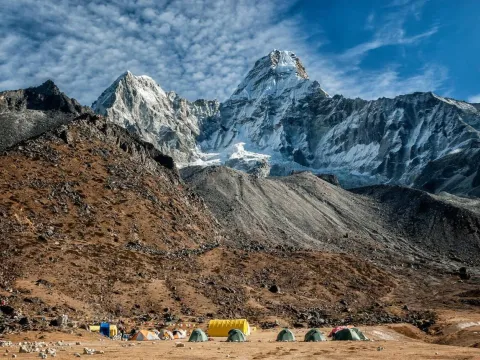
The Ama Dablam Base Camp and Everest Base Camp Trek is one of the most spectacular and rewarding Himalayan trekking adventures in Nepal, combining two iconic destinations of the Everest region into a single unforgettable journey. Organized by Trail Mania Trek, this trek offers an incredible opportunity to explore the legendary Everest Base Camp while also reaching the breathtaking base camp of Mount Ama Dablam, one of the most beautiful and admired peaks in the world. The journey takes you through traditional Sherpa villages, ancient monasteries, high-altitude valleys, glaciers, and some of the most dramatic mountain landscapes on Earth.This 16-day Himalayan adventure begins with a scenic flight to Lukla and follows the famous Everest trekking route through Phakding, Namche Bazaar, Tengboche, Dingboche, Lobuche, Gorak Shep, and Everest Base Camp. Along the way, trekkers experience the unique culture of the Khumbu region, including Buddhist traditions, prayer wheels, colorful prayer flags, and historic monasteries. The highlight of the trek is reaching Everest Base Camp at 5,364 meters and enjoying sunrise views from Kala Patthar at 5,545 meters.The special attraction of this trekking package is the side trip to Ama Dablam Base Camp at 4,575 meters. Unlike many standard Everest Base Camp itineraries, this route allows trekkers to get closer to the magnificent south face of Ama Dablam and enjoy spectacular views of one of Nepal’s most photogenic mountainsScenic mountain flight from Kathmandu/Manthali to LuklaTrek through the beautiful Sagarmatha National ParkExplore the Sherpa cultural hub of Namche BazaarVisit the famous Tengboche MonasteryExperience authentic Sherpa villages and Himalayan lifestylesHike to Ama Dablam Base Camp beneath the iconic peakReach the legendary Everest Base CampEnjoy sunrise views from Kala Patthar viewpointWitness Everest, Lhotse, Nuptse, Makalu, Pumori, and Ama Dablam panoramasProfessional guidance and support from Trail Mania TrekTrail Mania Trek carefully designs this itinerary with proper acclimatization days in Namche, Dingboche, and Pangboche to help trekkers adapt safely to increasing altitude. Our experienced guides focus on safety, comfort, and creating a memorable Himalayan experience for every traveler.Best Season for Ama Dablam Base Camp and Everest Base Camp TrekkingChoosing the right season is very important for a successful and enjoyable Ama Dablam Base Camp and Everest Base Camp Trek. The Everest region experiences changing weather conditions throughout the year, and each season offers a different trekking experience. Trail Mania Trek recommends trekking during the spring and autumn seasons because these months provide the most stable weather, excellent visibility, and comfortable trekking conditions.Spring (March to May) is one of the best seasons for this adventure. During this period, the Himalayan trails become colorful with blooming rhododendron flowers, and the weather remains favorable for trekking. Clear mornings provide outstanding views of Everest, Ama Dablam, Lhotse, and other Himalayan giants. This season is also popular because climbers preparing for Everest expeditions can often be seen around Base Camp.Autumn (September to November) is considered the peak trekking season in Nepal. After the monsoon season, the skies become clear, the mountain views are spectacular, and the trails offer excellent conditions for walking. The pleasant temperatures and stable weather make autumn ideal for reaching both Ama Dablam Base Camp and Everest Base Camp.Winter and monsoon trekking are possible but require additional preparation. Winter (December to February) brings colder temperatures and possible snowfall at higher elevations, while monsoon (June to August) brings rain, cloudy skies, and possible flight delays to Lukla. However, experienced trekkers seeking fewer crowds may still enjoy these seasons with proper planning.Best Trekking Seasons:Spring (March–May): Best mountain views, flowers, and favorable weatherAutumn (September–November): Clear skies, stable conditions, and the most popular seasonWinter (December–February): Peaceful trails but colder temperaturesMonsoon (June–August): Suitable for experienced trekkers with flexible schedulesTrail Mania Trek provides seasonal guidance and helps trekkers choose the best departure period according to their preferences, experience level, and travel plans.Ama Dablam Base Camp and Everest Base Camp Trekking Difficulty and TransportationThe Ama Dablam Base Camp and Everest Base Camp Trek is considered a challenging high-altitude trekking adventure suitable for trekkers with good physical fitness and determination. The trek does not require technical climbing skills, but it involves long walking days, steep ascents, rocky trails, and high-altitude conditions. The highest point reached during the trek is Kala Patthar at 5,545 meters, where altitude awareness and proper acclimatization are essential.Trekkers usually walk between 5 to 8 hours per day, depending on the destination and trail conditions. The gradual itinerary designed by Trail Mania Trek allows the body to adjust naturally to increasing altitude. Our experienced guides monitor health conditions, maintain comfortable walking speeds, and provide support throughout the journey.Transportation during the trek mainly includes a scenic domestic flight between Kathmandu/Manthali and Lukla. The Lukla flight is one of the most exciting mountain flights in the world, offering breathtaking views of hills, valleys, and Himalayan peaks. During high trekking seasons, flights may operate from Manthali Airport due to Kathmandu air traffic conditions.Trek Difficulty Factors:High altitude reaching above 5,500 metersLong trekking hours on mountain terrainCold temperatures at higher elevationsRocky and uneven trailsNeed for proper acclimatizationPhysical endurance requirementsTransportation Details:International arrival and departure through KathmanduDomestic scenic flight to LuklaPrivate airport transfers arranged by Trail Mania TrekLocal walking trails and suspension bridges throughout the trekWith proper preparation, regular exercise, and the professional support of Trail Mania Trek, this trek is achievable for passionate adventure seekers.Food and Accommodation for Ama Dablam Base Camp and Everest Base Camp TrekkingFood and accommodation play an important role in maintaining energy and comfort during the Ama Dablam Base Camp and Everest Base Camp Trek. Trail Mania Trek arranges comfortable teahouse accommodation throughout the trekking route. These mountain lodges provide basic but comfortable rooms, warm dining areas, and an opportunity to experience authentic Himalayan hospitality.Most teahouses offer twin-sharing rooms with comfortable beds, blankets, and shared bathroom facilities. In larger villages such as Namche Bazaar and Dingboche, some lodges provide additional facilities such as hot showers, Wi-Fi, charging services, and better room options. At higher elevations, facilities become more basic due to the remote mountain environment.Meals during the trek are designed to provide enough energy for long walking days. Trekkers can enjoy traditional Nepali meals as well as international options. Dal Bhat, the traditional Nepali meal consisting of rice, lentils, and vegetables, is a popular choice among trekkers because it provides excellent nutrition and energy.Food Options:Dal Bhat (rice, lentils, vegetables)Noodles and pasta dishesSoups and hot drinksBread, eggs, and pancakesPotatoes and vegetable dishesTea, coffee, and energy drinksAccommodation Features:Comfortable teahouse staysTwin-sharing roomsWarm dining areasMountain lodge experienceBasic facilities in remote areasAdditional services in major villagesTrail Mania Trek ensures that accommodation and meals are arranged according to safety, hygiene, and trekking requirements.Ama Dablam Base Camp and Everest Base Camp Trekking PermitsThe Ama Dablam Base Camp and Everest Base Camp Trek requires several important permits because the route passes through protected areas and local government regions. Trail Mania Trek manages all necessary permits and documentation, allowing trekkers to focus on enjoying the Himalayan adventure without worrying about administrative procedures.The main permit required for this trek is the Sagarmatha National Park Entry Permit because the trekking route enters Sagarmatha National Park, a UNESCO World Heritage Site known for its unique Himalayan ecosystem and mountain biodiversity. Another required permit is the Khumbu Pasang Lhamu Rural Municipality Permit, which supports local development and management of the Everest region.Required Trekking Permits:Sagarmatha National Park Entry PermitKhumbu Pasang Lhamu Rural Municipality PermitTIMS Card (when applicable according to current regulations)Trail Mania Trek assists with obtaining all required permits before and during the trek. Our team ensures that all legal requirements are completed properly for a smooth and enjoyable trekking experience.Why Choose Ama Dablam Base Camp and Everest Base Camp Trekking with Trail Mania TrekChoosing Trail Mania Trek for the Ama Dablam Base Camp and Everest Base Camp Trek means traveling with an experienced local trekking company dedicated to safety, quality service, and unforgettable Himalayan experiences. Our professional team understands the challenges of high-altitude trekking and provides personalized support from arrival in Kathmandu until departure.Trail Mania Trek focuses on responsible trekking practices, experienced guides, carefully planned itineraries, and excellent customer service. We believe that a successful Himalayan journey is not only about reaching destinations but also about enjoying the culture, nature, and experiences along the way.Our guides are knowledgeable about mountain conditions, Sherpa culture, weather patterns, and altitude management. We maintain small group experiences whenever possible, allowing better communication, flexibility, and personal attention.Reasons to Choose Trail Mania Trek:Experienced and professional trekking guidesCarefully designed acclimatization itinerarySafety-focused trekking approachLocal Himalayan knowledge and expertiseComfortable teahouse arrangementsAssistance with permits and logisticsPersonalized trekking servicesResponsible and sustainable tourism practicesComplete airport transfers and trip managementThe Ama Dablam Base Camp and Everest Base Camp Trek with Trail Mania Trek is more than a trekking journey; it is an opportunity to experience Nepal’s legendary mountains, Sherpa culture, and the spirit of Himalayan adventure. With expert support and thoughtful planning, your dream of exploring Everest and Ama Dablam can become a lifelong memory.
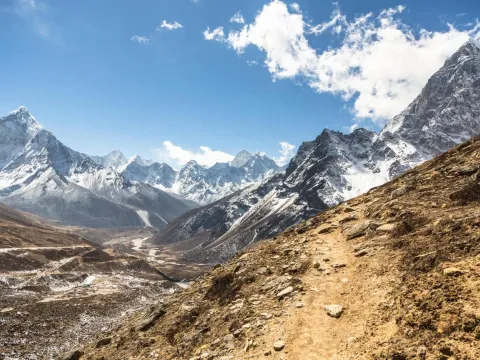
The Gokyo Cho La and Everest Base Camp Trekking is one of the most spectacular and adventurous trekking journeys in Nepal’s Everest region. This extraordinary adventure combines the beauty of the turquoise Gokyo Lakes, the challenging crossing of the famous Cho La Pass (5,420m), and the unforgettable experience of reaching Everest Base Camp (5,364m) with the breathtaking sunrise view from Kala Patthar (5,545m). Organized by Trail Mania Trek, this trekking package is designed for adventure seekers who want to experience the best combination of Himalayan landscapes, Sherpa culture, ancient monasteries, and world-famous mountain views.The journey begins with a scenic mountain flight from Kathmandu to Lukla, followed by a gradual trek through traditional Sherpa villages, lush forests, and the beautiful valleys of the Khumbu region. The trail passes through famous destinations including Namche Bazaar, Khumjung, Dole, Machhermo, and Gokyo Valley before crossing the challenging Cho La Pass. After exploring Everest Base Camp and Kala Patthar, trekkers return through classic Everest trails while enjoying the incredible hospitality and culture of the local Sherpa communities.Trail Mania Trek provides experienced guides, carefully planned itineraries, safety support, and professional trekking services to make this high-altitude adventure comfortable and memorable. The trek is suitable for experienced hikers who are physically prepared for long walking days and changing mountain conditions.Explore the stunning turquoise Gokyo Lakes and beautiful Gokyo Valley.Cross the challenging and scenic Cho La Pass at 5,420 meters.Visit legendary Everest Base Camp and stand beneath the world’s highest mountain.Enjoy sunrise views from Kala Patthar with panoramic Himalayan scenery.Experience Sherpa culture, monasteries, and traditional mountain villages.Witness breathtaking views of Everest, Lhotse, Cho Oyu, Makalu, Ama Dablam, and other peaks.Trek through Sagarmatha National Park, a UNESCO World Heritage Site.Best Season for Gokyo Cho La and Everest Base Camp TrekkingChoosing the right season is very important for a successful and enjoyable Gokyo Cho La and Everest Base Camp Trekking experience. The Everest region has four major seasons, but spring and autumn are considered the best periods due to favorable weather, excellent mountain visibility, and safer trekking conditions.The spring season (March to May) is one of the most popular times for trekking in Nepal. During this period, the weather is generally stable, temperatures are comfortable, and the trails become colorful with blooming rhododendron flowers. The clear skies provide excellent views of Everest, Lhotse, Ama Dablam, Cho Oyu, and surrounding Himalayan peaks.The autumn season (September to November) is another ideal trekking period. After the monsoon season, the atmosphere becomes fresh and clean, offering crystal-clear mountain views. The stable weather conditions, moderate temperatures, and dry trails make autumn the busiest and most recommended season for crossing Cho La Pass and reaching Everest Base Camp.Winter trekking (December to February) is possible for experienced trekkers, but the temperatures are extremely cold, and heavy snowfall may make Cho La Pass more challenging. The summer/monsoon season (June to August) brings rain, slippery trails, and cloudy mountain views, although the region remains peaceful with fewer trekkers.Best Seasons for Gokyo Cho La and Everest Base Camp Trekking:Spring (March–May): Best weather, blooming flowers, and excellent mountain views.Autumn (September–November): Clear skies, stable conditions, and the most popular trekking season.Winter (December–February): Suitable for experienced trekkers seeking fewer crowds.Monsoon (June–August): Less recommended due to rainfall and limited visibility.Gokyo Cho La and Everest Base Camp Trekking Difficulty and TransportationThe Gokyo Cho La and Everest Base Camp Trekking is considered a challenging high-altitude trek that requires good physical fitness, proper preparation, and strong determination. The main challenges include walking at high elevations, crossing Cho La Pass, long trekking days, and adjusting to reduced oxygen levels. The highest point of the trek is Kala Patthar at 5,545 meters, while Cho La Pass reaches 5,420 meters.Trekkers usually walk between 5 to 8 hours per day on mountain trails consisting of rocky paths, steep climbs, glacier sections, and suspension bridges. The Cho La Pass section is the most demanding part of the journey because it may involve icy and snowy conditions depending on the season. However, with gradual acclimatization, experienced guides, and a well-planned itinerary from Trail Mania Trek, trekkers can safely complete this incredible adventure.Transportation for the trek includes a scenic mountain flight between Kathmandu and Lukla. Depending on the season and flight operations, flights may operate from Kathmandu or Manthali Airport. During the trekking period, transportation is mainly on foot through mountain trails, while private vehicles are arranged for airport transfers and sightseeing activities.Difficulty and Transportation Information:Trek Grade: Challenging high-altitude trekking.Maximum Elevation: Kala Patthar – 5,545m.Cho La Pass Elevation: 5,420m.Daily Walking Duration: Approximately 5–8 hours.Main Transportation: Kathmandu/Manthali to Lukla scenic flight.Trekking Support: Professional guides, porters, and safety assistance from Trail Mania Trek.Food and Accommodation for Gokyo Cho La and Everest Base Camp TrekkingDuring the Gokyo Cho La and Everest Base Camp Trekking, trekkers experience comfortable teahouse accommodation and traditional Himalayan cuisine. Trail Mania Trek carefully selects reliable lodges and teahouses throughout the route to ensure a safe and pleasant stay. Accommodation becomes more basic as altitude increases, but all trekking lodges provide essential facilities including warm meals, comfortable beds, and dining areas.Food during the trek includes a variety of Nepalese, Tibetan, Indian, and international dishes. Dal Bhat (rice, lentils, and vegetables) is the most common and nutritious meal, providing enough energy for long trekking days. Other popular options include noodles, pasta, soups, bread, potatoes, eggs, pancakes, and hot beverages.At higher elevations, food choices become more limited because supplies must be transported by porters or animals. Trail Mania Trek recommends eating balanced meals, drinking enough water, and avoiding alcohol during the trek to support proper acclimatization.Food and Accommodation Features:Comfortable teahouse stays throughout the trekking route.Traditional Nepalese and international meal options.Nutritious food to maintain energy during high-altitude walking.Hot drinks including tea, coffee, and hot chocolate.Twin-sharing accommodation in mountain lodges.Professional support from Trail Mania Trek’s trekking team.Gokyo Cho La and Everest Base Camp Trekking PermitsPermits are essential for trekking in the Everest region, and Trail Mania Trek assists trekkers in arranging all necessary documents before starting the journey. The required permits help protect the natural environment, support conservation programs, and regulate tourism activities in the Himalayan region.The main permits required for the Gokyo Cho La and Everest Base Camp Trekking include the Sagarmatha National Park Entry Permit and the Khumbu Pasang Lhamu Rural Municipality Permit. These permits are checked at different points along the trekking route, especially near the entrance of Sagarmatha National Park.Having proper permits ensures that trekkers can legally access protected areas while contributing to the preservation of the Everest region’s natural beauty and cultural heritage. Trail Mania Trek manages the permit process professionally, allowing trekkers to focus on enjoying their Himalayan adventure.Required Trekking Permits:Sagarmatha National Park Entry Permit.Khumbu Pasang Lhamu Rural Municipality Permit.Valid passport details for permit processing.Passport-size photographs if required.Assistance with documentation from Trail Mania Trek.Why Choose Gokyo Cho La and Everest Base Camp TrekkingThe Gokyo Cho La and Everest Base Camp Trekking is a perfect choice for travelers who want more than a standard Everest Base Camp experience. This route offers a unique combination of adventure, natural beauty, cultural exploration, and unforgettable Himalayan scenery. Unlike the regular Everest Base Camp route, the Gokyo Cho La trail allows trekkers to explore the peaceful Gokyo Valley and cross one of Nepal’s most famous high mountain passes.Choosing Trail Mania Trek means traveling with an experienced trekking company that focuses on safety, quality service, and personalized experiences. The professional guides have extensive knowledge of the Everest region and provide valuable support throughout the journey. From airport pickup and accommodation arrangements to trekking permits and emergency assistance, Trail Mania Trek manages every detail carefully.This trek creates lifelong memories through incredible mountain views, warm Sherpa hospitality, ancient Buddhist traditions, and the personal achievement of reaching Everest Base Camp. It is an ideal adventure for trekkers seeking a challenging but rewarding Himalayan experience.Reasons to Choose This Trek:Experience both Gokyo Valley and Everest Base Camp in one journey.Cross the spectacular Cho La Pass adventure route.Enjoy fewer-crowded trails compared to the classic Everest route.Discover authentic Sherpa culture and mountain traditions.Receive professional guidance and support from Trail Mania Trek.Explore some of the world’s most famous Himalayan landscapes.Create unforgettable memories in the heart of the Everest region.
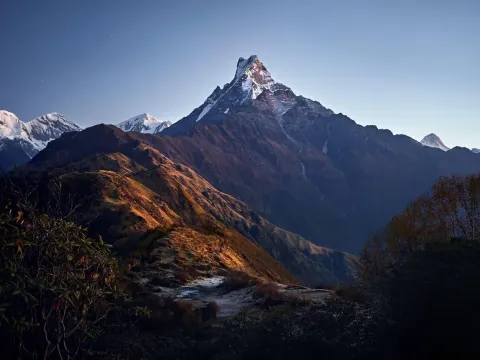
Mardi Himal Trek is one of the most beautiful and less-crowded trekking adventures in the Annapurna region of Nepal. Located east of the famous Annapurna Base Camp trail, this trek offers an amazing combination of breathtaking Himalayan views, peaceful forest trails, traditional mountain villages, and rich local culture. The trek takes you close to the base of Mardi Himal and the magnificent Machhapuchhre (Fishtail) Mountain while providing a peaceful alternative to Nepal’s more crowded trekking routes.The Mardi Himal Trek begins from the beautiful lakeside city of Pokhara and follows a scenic route through Kande, Forest Camp, Low Camp, High Camp, and finally Mardi Himal Base Camp at around 4,500 meters. Throughout the journey, trekkers experience diverse landscapes, including terraced farmlands, rhododendron forests, alpine meadows, and dramatic mountain ridges. The highlight of the trek is the early morning hike to Mardi Himal Base Camp, where panoramic views of Mardi Himal, Machhapuchhre, Annapurna South, Hiunchuli, and other Himalayan peaks create unforgettable memories.With Trail Mania Trek, this adventure is carefully designed to provide a safe, comfortable, and enjoyable trekking experience. Our experienced guides, well-planned itineraries, and personalized service ensure that trekkers can fully enjoy the natural beauty and cultural experiences of the Annapurna region.Stunning views of Mardi Himal, Machhapuchhre, Annapurna South, and HiunchuliPeaceful trekking route away from crowded trailsBeautiful rhododendron and alpine forestsSunrise views from High Camp and Mardi Himal Base CampAuthentic Gurung village experiencesComfortable teahouse trekking experienceProfessional guidance and support from Trail Mania TrekBest Season for Mardi Himal TrekkingMardi Himal Trek can be enjoyed throughout the year, but the best seasons are generally spring (March to May) and autumn (September to November). During these months, the weather remains stable, skies are clearer, and the Himalayan views are at their best. These seasons provide ideal trekking conditions with comfortable temperatures and excellent visibility of the surrounding mountain ranges.Spring is one of the most beautiful times for the Mardi Himal Trek because the forests along the trail become colorful with blooming rhododendron flowers, Nepal’s national flower. The pleasant temperatures and fresh mountain environment make walking more enjoyable. Autumn is another popular season because the weather is dry, the mountain views are crystal clear, and the trails are in excellent condition after the monsoon season.Winter and monsoon seasons are also possible for experienced trekkers with proper preparation. Winter (December to February) offers peaceful trails and beautiful snowy landscapes, but temperatures can be very cold, especially at High Camp. The monsoon season (June to August) brings rainfall, slippery trails, and cloudy mountain views, although the landscape becomes lush and green.Best Months for Mardi Himal Trekking:Spring: March, April, and May – Best for flowers and pleasant weatherAutumn: September, October, and November – Best for clear mountain viewsWinter: December to February – Suitable for experienced trekkers who enjoy snowMonsoon: June to August – Possible with proper preparationMardi Himal Trekking Difficulty and TransportationMardi Himal Trek is considered a moderate-level trekking adventure in Nepal. It is suitable for trekkers with average fitness levels who are prepared for several hours of walking each day. The trek does not require technical climbing skills, but trekkers should be comfortable with uphill and downhill walking, changing weather conditions, and high-altitude environments.The highest point of the trek is Mardi Himal Base Camp, located at approximately 4,500 meters. The altitude requires a gradual pace and proper acclimatization. The Trail Mania Trek team focuses on safe trekking practices, maintaining a comfortable walking speed, and providing guidance to help trekkers adjust to the increasing elevation.Transportation for the Mardi Himal Trek is convenient and well organized. The journey begins with a scenic drive from Kathmandu to Pokhara, followed by a short drive to Kande, the starting point of the trek. After completing the trekking route, transportation is arranged from Lumre back to Pokhara. Trekkers can choose between a flight or a road journey from Pokhara to Kathmandu depending on their preference and schedule.Difficulty Level and Transportation Details:Trekking Grade: ModerateMaximum Elevation: 4,500 meters (Mardi Himal Base Camp)Average Walking Duration: 5–7 hours per dayStarting Point: KandeEnding Point: LumreKathmandu–Pokhara: Tourist bus or domestic flightPokhara–Kande: Private vehicle transferLumre–Pokhara: Private vehicle transferFood and Accommodation for Mardi Himal TrekkingDuring the Mardi Himal Trek, trekkers stay in comfortable mountain teahouses and lodges operated by local communities. These accommodations provide basic but clean facilities, warm dining areas, and a chance to experience authentic Himalayan hospitality. Rooms are generally twin-sharing with simple beds, blankets, and shared bathroom facilities in most locations.Food during the trek is nutritious and designed to provide enough energy for long walking days. Teahouses along the route serve a variety of meals, including traditional Nepali dishes and international options. Dal Bhat (rice, lentils, vegetables, and curry) is a popular choice among trekkers because it provides excellent energy for high-altitude walking.Trail Mania Trek carefully selects reliable lodges and restaurants to ensure a comfortable trekking experience. Our team helps coordinate meals and accommodations according to the trekking schedule while considering cleanliness, location, and service quality.Food Options During Mardi Himal Trek:Traditional Nepali Dal BhatNoodles and pasta dishesRice and currySoups and hot drinksTibetan bread and pancakesEggs and breakfast itemsTea, coffee, and refreshmentsAccommodation Features:Comfortable teahouse staysTwin-sharing roomsWarm dining areasLocal hospitality experienceMountain lodge atmosphereMardi Himal Trekking PermitsMardi Himal Trek is located inside the Annapurna Conservation Area, which requires trekkers to obtain official permits before starting the journey. These permits help protect the natural environment, preserve local culture, and support conservation activities in the Annapurna region.The main permits required for the Mardi Himal Trek are the Annapurna Conservation Area Permit (ACAP) and the Trekkers’ Information Management System (TIMS) Card. These permits are checked at different checkpoints along the trekking route, so trekkers must carry them throughout the journey.Trail Mania Trek assists all our guests with the necessary permit arrangements before the trek begins. Our team handles the documentation process, ensuring that trekkers can focus on enjoying their Himalayan adventure without worrying about administrative procedures.Required Permits for Mardi Himal Trek:Annapurna Conservation Area Permit (ACAP)Trekkers’ Information Management System (TIMS) CardPermit Support by Trail Mania Trek:Complete permit arrangement assistanceGuidance with required documentsHassle-free trekking preparationSupport from experienced trekking professionalsWhy Choose Mardi Himal TrekkingMardi Himal Trek is an excellent choice for travelers who want to experience the beauty of the Himalayas without the crowds found on some of Nepal’s more famous trekking routes. The trek offers incredible mountain scenery, peaceful trails, authentic village experiences, and a close connection with nature. It is a perfect adventure for those seeking a balance between Himalayan exploration and cultural discovery.Choosing Trail Mania Trek ensures a safe, comfortable, and memorable trekking experience. Our professional team has extensive knowledge of Nepal’s trekking destinations and focuses on providing quality service, experienced guides, proper planning, and personalized care throughout the journey.From airport pickup and hotel arrangements to trekking support, accommodation management, and transportation, Trail Mania Trek takes care of every detail. Our goal is to create unforgettable Himalayan experiences while maintaining safety, comfort, and responsible tourism practices.Reasons to Choose Mardi Himal Trek with Trail Mania Trek:Less crowded and peaceful trekking routeIncredible Himalayan mountain viewsExperienced and professional trekking guidesWell-designed itinerary and safety planningLocal cultural experiencesComfortable accommodation arrangementsReliable transportation servicesPersonalized trekking supportResponsible and eco-friendly trekking practicesMardi Himal Trek with Trail Mania Trek is not only a mountain journey but also an opportunity to experience Nepal’s natural beauty, cultural heritage, and legendary Himalayan hospitality. This adventure creates lifelong memories for trekkers looking for an authentic Nepal trekking experience.
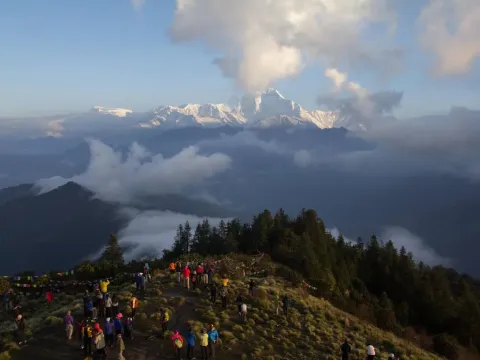
The Ghorepani Poon Hill Ghandruk Trekking is one of the most popular short trekking adventures in Nepal’s Annapurna region, offering a perfect combination of Himalayan mountain views, cultural experiences, scenic landscapes, and comfortable trekking routes. Organized by Trail Mania Trek, this journey is ideal for beginners, families, couples, and experienced trekkers who want to explore the beauty of the Annapurna mountains within a limited time frame. The trek takes you through charming villages, lush rhododendron forests, terraced farmlands, and traditional settlements while providing magnificent views of some of the world’s highest peaks.The highlight of this trek is the early morning hike to Poon Hill (3,210m), one of Nepal’s most famous sunrise viewpoints. From the viewpoint, trekkers can enjoy breathtaking panoramic views of the Annapurna and Dhaulagiri mountain ranges, including Annapurna South, Machhapuchhre (Fishtail), Hiunchuli, and Dhaulagiri. The trail also introduces you to the unique culture and lifestyle of the Gurung and Magar communities, especially in the beautiful village of Ghandruk.The Ghorepani Poon Hill Ghandruk Trek begins with a scenic drive from Kathmandu to Pokhara and continues toward Nayapul, the trekking starting point. The route passes through Ulleri, Ghorepani, Poon Hill, Tadapani, and Ghandruk before returning to Pokhara. With a well-planned itinerary, comfortable accommodation, and professional support from Trail Mania Trek, this trek provides an unforgettable Himalayan experience.Stunning sunrise view from Poon Hill (3,210m)Panoramic views of the Annapurna and Dhaulagiri mountain rangesExploration of traditional Gurung and Magar villagesBeautiful rhododendron and oak forestsComfortable tea house trekking experienceCultural exploration of Ghandruk villageSuitable for beginners and all age groupsScenic drive and flight experience between Kathmandu and PokharaBest Season for Ghorepani Poon Hill Ghandruk TrekkingThe best seasons for the Ghorepani Poon Hill Ghandruk Trek are spring (March to May) and autumn (September to November). During these months, the weather remains stable, skies are generally clear, and the mountain views are at their best. Trail Mania Trek recommends these seasons because trekkers can enjoy comfortable walking conditions, beautiful landscapes, and excellent visibility of the Himalayan peaks.Spring is a wonderful time for this trek because the Annapurna region becomes colorful with blooming rhododendron flowers, Nepal’s national flower. The forests around Ghorepani and Tadapani become vibrant with different shades of red, pink, and white flowers. The temperature is pleasant, making it a perfect season for enjoying nature, photography, and village exploration.Autumn is considered the peak trekking season in Nepal due to its clear skies and dry weather. The views of Annapurna South, Machhapuchhre, Hiunchuli, and Dhaulagiri are especially impressive during this period. The trails are comfortable, and trekkers can experience Nepal’s mountain beauty at its finest.Winter (December to February) is also possible for experienced trekkers who enjoy peaceful trails and snowy landscapes. However, temperatures can be cold, especially at higher elevations like Ghorepani and Poon Hill. The monsoon season (June to August) brings rainfall, slippery trails, and cloudy mountain views, making it a less preferred time for trekking.Best Time Summary:Spring (March–May): Best for flowers, pleasant weather, and mountain sceneryAutumn (September–November): Best overall season with clear views and stable weatherWinter (December–February): Suitable for quiet trekking and snow experiencesMonsoon (June–August): Less recommended due to rain and cloudy conditionsGhorepani Poon Hill Ghandruk Trekking Difficulty and TransportationThe Ghorepani Poon Hill Ghandruk Trekking is considered an easy-to-moderate-level trek, making it suitable for first-time trekkers as well as experienced hikers. The maximum elevation reached during the trek is Poon Hill at 3,210 meters, which is relatively lower compared to other Himalayan trekking destinations. However, trekkers should have basic physical fitness because the route includes uphill walking, stone staircases, and several hours of hiking each day.The most challenging section of the trek is the famous Ulleri stone staircase, where hundreds of steps lead toward Ghorepani. Although this section requires effort, the beautiful surroundings and mountain views make the journey enjoyable. With proper preparation, a comfortable walking pace, and guidance from experienced trekking staff of Trail Mania Trek, most travelers can complete this adventure comfortably.Transportation for this trek is convenient and well organized. The journey begins with a drive from Kathmandu to Pokhara, followed by a private vehicle transfer to Nayapul, the trekking starting point. After completing the trek through Ghorepani, Tadapani, and Ghandruk, travelers return by scenic drive to Pokhara. The trip ends with a short domestic flight from Pokhara back to Kathmandu.Difficulty and Transportation Information:Trek duration: Approximately 5 trekking days within an 8-day itineraryDifficulty level: Easy to moderateMaximum altitude: Poon Hill (3,210m)Daily walking hours: Around 4–6 hoursTransportation: Private vehicle and domestic flight optionsSuitable for beginners, families, and adventure travelersFood and Accommodation for Ghorepani Poon Hill Ghandruk TrekkingDuring the Ghorepani Poon Hill Ghandruk Trek, Trail Mania Trek provides comfortable accommodation and nutritious meals to ensure a pleasant trekking experience. In Kathmandu and Pokhara, travelers stay in comfortable hotels with modern facilities. During the trekking section, accommodation is provided at traditional tea houses operated by local families, allowing trekkers to experience authentic Himalayan hospitality.Tea houses along the trail offer clean and comfortable rooms with basic facilities. Most rooms include twin beds, blankets, and shared bathroom facilities. Some higher-quality lodges may provide additional services such as hot showers, charging facilities, and Wi-Fi at an extra cost. Staying in local tea houses also supports the mountain communities and provides an opportunity to interact with local people.Food during the trek is simple, fresh, and designed to provide enough energy for daily walking. Tea houses serve a variety of meals, including traditional Nepali dishes, Tibetan-inspired foods, and some international options. Dal Bhat (rice, lentils, and vegetables) is a popular trekking meal because it provides balanced nutrition and energy.Food and Accommodation Features:Hotel accommodation in Kathmandu and PokharaComfortable tea house stays during trekkingTraditional Nepali meals and international food optionsFresh vegetables, rice, noodles, soups, and snacks availableHot drinks such as tea and coffee throughout the trekLocal hospitality and cultural interactionGhorepani Poon Hill Ghandruk Trekking PermitsThe Ghorepani Poon Hill Ghandruk Trek requires official trekking permits because the route falls within the Annapurna Conservation Area. Trail Mania Trek assists trekkers in arranging all necessary permits before starting the journey, ensuring a smooth and hassle-free trekking experience.The main permits required for this trek are the Annapurna Conservation Area Permit (ACAP) and the Trekkers’ Information Management System (TIMS) Card. These permits help protect the natural environment, maintain trekking infrastructure, and support conservation activities in the Annapurna region.Trekkers should carry their passport and required documents during the trek because permit checks may occur at different locations along the route. Having properly arranged permits allows travelers to enjoy the trek without unnecessary delays.Required Trekking Permits:Annapurna Conservation Area Permit (ACAP)TIMS Card (Trekkers’ Information Management System)Passport copy and photographsPermit arrangement support from Trail Mania TrekAssistance with trekking documentation and proceduresWhy Choose Ghorepani Poon Hill Ghandruk Trekking with Trail Mania Trek?Choosing the Ghorepani Poon Hill Ghandruk Trekking with Trail Mania Trek means experiencing Nepal’s Himalayan beauty with professional support, safety, and personalized service. Trail Mania Trek focuses on creating memorable trekking experiences by combining well-designed itineraries, experienced guides, comfortable arrangements, and genuine local hospitality.This trek is perfect for travelers who want to experience the Himalayas without undertaking a long and highly challenging expedition. The route provides incredible mountain views, cultural experiences, and natural beauty within a short period. From sunrise at Poon Hill to exploring the traditional village of Ghandruk, every day offers something unique and unforgettable.Trail Mania Trek’s experienced team ensures that every part of the journey is carefully managed, including transportation, accommodation, permits, meals, and trekking assistance. Our professional guides have extensive knowledge of the region and provide valuable information about local culture, nature, and safety throughout the trek.Reasons to Choose Trail Mania Trek:Experienced and professional trekking guidesCarefully planned Ghorepani Poon Hill Ghandruk itinerarySafe and comfortable trekking arrangementsLocal knowledge and cultural experiencesAssistance with permits and logisticsQuality accommodation and meal arrangementsPersonalized service and customer-focused approachOpportunity to explore Nepal’s famous Annapurna regionWith Trail Mania Trek, the Ghorepani Poon Hill Ghandruk Trek becomes more than just a hiking journey—it becomes a memorable adventure filled with Himalayan scenery, cultural discovery, and lifelong experiences.
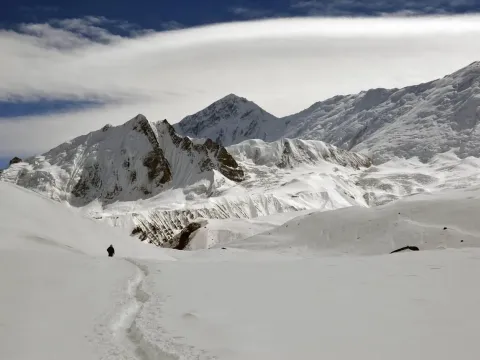
The Annapurna Circuit Trek with Tilicho Lake is one of the most spectacular and diverse trekking adventures in Nepal, combining the classic Annapurna Circuit route with an exciting side trip to the world-famous Tilicho Lake. Organized by Trail Mania Trek, this journey takes you through breathtaking Himalayan landscapes, traditional mountain villages, ancient monasteries, deep valleys, and high-altitude terrain. The trek offers an incredible experience of Nepal’s natural beauty, cultural diversity, and adventure spirit while crossing the challenging Thorong La Pass at 5,416 meters.This extended Annapurna adventure allows trekkers to explore the hidden beauty of the Manang and Mustang regions. The route begins from Besisahar and gradually ascends through beautiful villages such as Chame, Upper Pisang, Manang, Siri Kharka, and Tilicho Base Camp before reaching the stunning turquoise waters of Tilicho Lake at 4,920 meters. After visiting this incredible Himalayan landmark, the trek continues toward Thorong La Pass and descends to the sacred Muktinath area before ending in Pokhara.The trek is a perfect combination of natural wonders, cultural exploration, and high-altitude adventure. During the journey, trekkers experience dramatic changes in landscapes, from green subtropical forests and terraced farmland to dry Tibetan-style valleys and snow-covered mountain environments.Explore the classic Annapurna Circuit trekking route.Visit the beautiful and sacred Tilicho Lake (4,920m).Cross the challenging Thorong La Pass (5,416m).Experience traditional Gurung, Manangi, and Tibetan-influenced cultures.Enjoy panoramic views of Annapurna, Dhaulagiri, Manaslu, Gangapurna, and Tilicho Peak.Discover ancient monasteries, mountain villages, and local lifestyles.Trek with experienced guides and professional support from Trail Mania Trek.Best Season for Annapurna Circuit Trek with Tilicho LakeChoosing the right season is very important for a successful and enjoyable Annapurna Circuit Trek with Tilicho Lake. The best seasons for this trek are spring (March to May) and autumn (September to November) when the weather is stable, skies are clear, and mountain views are at their best. During these seasons, trekkers can enjoy comfortable temperatures, excellent visibility, and safer conditions for crossing high-altitude sections like Thorong La Pass.Spring is one of the most beautiful times to trek in the Annapurna region. The forests along the lower trails become colorful with blooming rhododendron flowers, Nepal’s national flower. The pleasant weather and fresh mountain scenery create an unforgettable trekking experience. Autumn is considered the peak trekking season because of clear blue skies, stable weather, and breathtaking views of the Himalayan peaks.Winter and monsoon seasons are also possible but require additional preparation. Winter brings cold temperatures and heavy snowfall around high passes, while monsoon can make lower trails wet and slippery. However, experienced trekkers looking for fewer crowds may still enjoy these seasons with proper planning.Best trekking seasons:Spring (March–May):Beautiful blooming flowers.Warm temperatures and clear mountain views.Ideal conditions for trekking.Autumn (September–November):Best visibility of Himalayan peaks.Stable weather conditions.Most popular trekking season.Winter (December–February):Less crowded trails.Cold weather and possible snowfall.Monsoon (June–August):Green landscapes.Possible rain and slippery trails.Annapurna Circuit Trek with Tilicho Lake Difficulty and TransportationThe Annapurna Circuit Trek with Tilicho Lake is considered a challenging high-altitude trek suitable for trekkers with good physical fitness and preparation. The main challenges include long walking days, steep ascents and descents, high elevation, and crossing the Thorong La Pass at 5,416 meters. The Tilicho Lake section also requires careful walking because some parts of the trail pass through rocky and landslide-prone areas.Although the trek is physically demanding, it does not require technical climbing skills. With proper acclimatization, a slow walking pace, and support from an experienced team like Trail Mania Trek, most adventure-loving trekkers can complete this journey. The acclimatization day at Manang helps your body adjust to the increasing altitude before moving toward higher elevations.Transportation during the trek is arranged carefully to provide comfort and safety. The journey usually begins with a private vehicle drive from Kathmandu to Besisahar, followed by a scenic drive toward Chame. After completing the trek, transportation continues from the Mustang region toward Pokhara, followed by a domestic flight back to Kathmandu.Difficulty level:Challenging high-altitude trekking adventure.Requires good physical fitness and endurance.Maximum altitude: Thorong La Pass (5,416m).Long trekking days of approximately 5–8 hours.Suitable for experienced trekkers and adventure seekers.Transportation arrangements:Private vehicle from Kathmandu to Besisahar.Local transportation from Besisahar to Chame.Trekking on foot through the Himalayan trails.Ground transportation toward Pokhara after trekking.Domestic flight from Pokhara to Kathmandu.Food and Accommodation for Annapurna Circuit Trek with Tilicho LakeDuring the Annapurna Circuit Trek with Tilicho Lake, trekkers stay in comfortable local teahouses and lodges managed by mountain communities. These accommodations provide basic but cozy facilities, including clean rooms, warm dining areas, and beautiful views of the surrounding mountains. Although facilities become more basic at higher elevations, teahouses offer a welcoming environment where trekkers can rest after long walking days.Trail Mania Trek carefully selects reliable accommodations to ensure safety, cleanliness, and comfort throughout the journey. Most rooms are twin-sharing, and common dining areas allow trekkers to enjoy meals while interacting with locals and other travelers. In higher regions like Tilicho Base Camp and Thorong Phedi, facilities are simpler due to the remote mountain environment.Food during the trek includes a variety of traditional Nepali, Tibetan, Indian, and international dishes. Proper nutrition is important at high altitude, so trekkers are encouraged to eat balanced meals and stay hydrated throughout the journey.Accommodation facilities:Local teahouses and mountain lodges.Twin-sharing rooms.Warm dining areas.Basic bathroom facilities.Comfortable overnight stops selected by Trail Mania Trek.Food options:Dal Bhat (rice, lentils, and vegetables).Noodles and soups.Tibetan bread and pancakes.Pasta, potatoes, and vegetable dishes.Tea, coffee, and hot drinks.Vegetarian and non-vegetarian meal options.Annapurna Circuit Trek with Tilicho Lake PermitsThe Annapurna Circuit Trek with Tilicho Lake requires several important permits because the trekking route passes through protected conservation areas. Trail Mania Trek manages the necessary permit arrangements to make the trekking process smooth and hassle-free for travelers. Having the correct permits ensures legal access to the trekking region and contributes to conservation efforts and local development.The main permit required for this trek is the Annapurna Conservation Area Permit (ACAP), which supports the protection of natural resources, wildlife, and cultural heritage within the Annapurna region. Trekkers also need the Trekkers’ Information Management System (TIMS) Card, which helps maintain trekking records and improve safety management.Before starting the trek, the Trail Mania Trek team assists travelers with all required documentation and permit procedures. This allows trekkers to focus fully on enjoying the Himalayan adventure without worrying about administrative arrangements.Required permits:Annapurna Conservation Area Permit (ACAP).TIMS (Trekkers’ Information Management System) Card.Passport copy and passport-size photographs.Necessary trekking documents arranged with Trail Mania Trek.Benefits of trekking permits:Supports conservation projects.Helps maintain trekking infrastructure.Improves trekker safety and management.Protects local culture and natural resources.Why Choose Annapurna Circuit Trek with Tilicho Lake?The Annapurna Circuit Trek with Tilicho Lake is an extraordinary Himalayan journey that offers everything an adventure traveler dreams of: breathtaking landscapes, cultural discoveries, challenging trails, and unforgettable mountain experiences. Choosing Trail Mania Trek ensures professional service, experienced guides, proper planning, and personalized support throughout your trekking journey.Unlike shorter Himalayan treks, this adventure provides a complete experience of the Annapurna region. From lush green valleys and traditional villages to high mountain deserts and frozen landscapes, every day brings new scenery and discoveries. The addition of Tilicho Lake makes this trek even more special by taking you to one of Nepal’s most beautiful and highest lakes.Trail Mania Trek focuses on safety, comfort, and creating memorable experiences for every traveler. Our professional guides have extensive knowledge of the Annapurna region and assist with altitude management, local culture, accommodation, and trekking arrangements.Reasons to choose Annapurna Circuit Trek with Tilicho Lake:Experience one of Nepal’s most iconic trekking routes.Visit the spectacular Tilicho Lake at 4,920 meters.Cross the legendary Thorong La Pass.Explore unique Himalayan cultures and villages.Enjoy diverse landscapes from forests to high deserts.Receive professional guidance from Trail Mania Trek.Travel with experienced local trekking experts.Create lifelong memories in the Himalayas.Trail Mania Trek is committed to providing safe, responsible, and unforgettable trekking experiences in Nepal. The Annapurna Circuit Trek with Tilicho Lake is not only a physical adventure but also a journey of cultural connection, personal achievement, and discovery of the incredible Himalayan world.
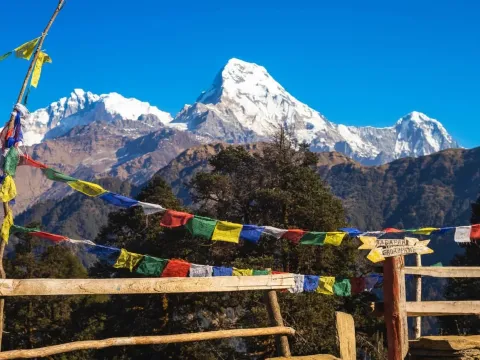
The Poon Hill Annapurna Base Camp Trekking is one of Nepal’s most popular and rewarding trekking adventures, combining the beauty of the famous Poon Hill sunrise viewpoint with the incredible experience of reaching Annapurna Base Camp at 4,130 meters. This trek offers a perfect blend of Himalayan scenery, traditional villages, diverse landscapes, and cultural experiences. Organized by Trail Mania Trek, this journey is designed for trekkers who want to explore the Annapurna region while experiencing both the natural beauty and local lifestyle of Nepal.The trekking route takes you through beautiful mountain settlements, including Ghorepani, Tadapani, Chhomrong, Dobhan, Deurali, and Annapurna Base Camp. The trail passes through lush rhododendron forests, terraced farmlands, waterfalls, rivers, and alpine landscapes. One of the major highlights of the trek is the early morning hike to Poon Hill, where trekkers can witness breathtaking sunrise views over the Annapurna and Dhaulagiri mountain ranges. The journey continues deeper into the Annapurna Sanctuary, surrounded by some of the world’s highest peaks, before reaching the magnificent Annapurna Base Camp.Trail Mania Trek provides professional trekking services, experienced guides, and well-planned itineraries to make your Poon Hill Annapurna Base Camp Trek safe, comfortable, and memorable. Whether you are a first-time Himalayan trekker or an experienced adventurer, this trek offers a perfect opportunity to discover Nepal’s mountain beauty and cultural heritage.Stunning sunrise view from Poon Hill (3,210m)Panoramic views of Annapurna, Dhaulagiri, Machhapuchhre, and Hiunchuli peaksVisit to traditional Gurung and Magar villagesTrek through beautiful rhododendron and bamboo forestsExplore the Annapurna Sanctuary and Annapurna Base CampExperience local culture, traditions, and Himalayan hospitalityRelax at the natural hot springs of Jhinu DandaBest Season for Poon Hill Annapurna Base Camp TrekkingThe best seasons for the Poon Hill Annapurna Base Camp Trekking are spring (March to May) and autumn (September to November). During these months, the weather conditions are generally stable, the skies remain clear, and the mountain views are at their best. These seasons provide ideal trekking conditions with comfortable temperatures, beautiful landscapes, and excellent visibility of the Himalayan peaks.Spring is especially famous for blooming rhododendron forests, which add colorful beauty to the trekking trail. The forests around Ghorepani, Tadapani, and Chhomrong become vibrant with red, pink, and white flowers, creating a spectacular natural environment. Autumn is another excellent season when the air is fresh after the monsoon, offering crystal-clear views of Annapurna South, Machhapuchhre, Annapurna I, and other surrounding mountains.Although trekking is possible throughout the year, winter and monsoon seasons require additional preparation. Winter (December to February) brings colder temperatures and possible snowfall at higher elevations, while monsoon (June to August) brings rainfall and slippery trails. Trail Mania Trek provides proper guidance and preparation advice according to the season to ensure a safe and enjoyable trekking experience.Best Seasons for Trekking:Spring (March–May): Best for flowers, pleasant weather, and mountain viewsAutumn (September–November): Best for clear skies and stable trekking conditionsWinter (December–February): Suitable for experienced trekkers who enjoy snow and fewer crowdsMonsoon (June–August): Possible but requires rain protection and flexible planningPoon Hill Annapurna Base Camp Trekking Difficulty and TransportationThe Poon Hill Annapurna Base Camp Trekking is considered a moderate to challenging trek. It is suitable for trekkers with a good level of physical fitness and a positive attitude toward long walking days. The trek involves walking approximately 5 to 7 hours daily through various terrains, including stone steps, forest trails, uphill climbs, and downhill sections. The highest point of the trek is Annapurna Base Camp at 4,130 meters, where proper acclimatization and a steady pace are important.Although the trek does not require technical climbing skills, trekkers should prepare for altitude changes and changing mountain weather conditions. Regular walking, cardiovascular exercises, and basic fitness preparation before the journey can help make the trek more comfortable. Trail Mania Trek’s experienced guides provide support, safety advice, and proper pacing throughout the route.Transportation during the trek is arranged according to the itinerary. The journey begins with a scenic drive from Kathmandu to Pokhara, followed by transportation from Pokhara to Nayapul, the starting point of the trek. After completing the trekking section, transportation is arranged from Nayapul back to Pokhara, and a short scenic flight connects Pokhara with Kathmandu.Difficulty and Transportation Details:Trek difficulty: Moderate to challengingAverage walking time: 5–7 hours per dayMaximum altitude: 4,130m at Annapurna Base CampSuitable for beginners with good fitness preparationKathmandu–Pokhara travel by tourist vehiclePokhara–Nayapul transfer by private vehiclePokhara–Kathmandu return by scenic domestic flightFood and Accommodation for Poon Hill Annapurna Base Camp TrekkingDuring the Poon Hill Annapurna Base Camp Trekking, trekkers can experience authentic Himalayan food and comfortable tea house accommodation. Trail Mania Trek carefully selects reliable lodges and tea houses along the trekking route to provide a safe and comfortable stay. Although facilities become more basic at higher elevations, the warm hospitality of local communities makes the trekking experience enjoyable.The tea houses provide clean rooms, shared bathrooms in most locations, dining areas, and beautiful mountain views. Trekkers can enjoy traditional Nepali meals as well as international dishes. Dal Bhat (rice, lentils, and vegetables) is a popular local meal that provides good energy for long trekking days. Other available foods include noodles, soups, pasta, bread, eggs, potatoes, vegetables, and hot beverages.Trail Mania Trek ensures that meals are planned according to the needs of trekkers, helping maintain energy throughout the journey. Staying in local tea houses also provides a wonderful opportunity to interact with mountain communities and learn about their culture and lifestyle.Food and Accommodation Features:Comfortable tea house accommodation during trekkingHotel stays in Kathmandu and PokharaTraditional Nepali and international meals availableFresh local ingredients along the trekking routeWarm dining areas and mountain hospitalityExperienced guides assist with meal and accommodation arrangementsPoon Hill Annapurna Base Camp Trekking PermitsTrekkers joining the Poon Hill Annapurna Base Camp Trekking need official permits to enter and trek within the Annapurna region. Trail Mania Trek manages the necessary documentation and permit arrangements to make the trekking process simple and convenient for guests.The main permits required for this trek are the Annapurna Conservation Area Permit (ACAP) and the Trekkers’ Information Management System (TIMS) Card. These permits help regulate trekking activities, support conservation projects, maintain trails, and contribute to the development of local communities in the Annapurna region.Trekkers must carry their permits throughout the journey, as they may be checked at different points along the trail. Trail Mania Trek assists travelers with obtaining all required permits before starting the trek, allowing guests to focus on enjoying the Himalayan adventure.Required Trekking Permits:Annapurna Conservation Area Permit (ACAP)Trekkers’ Information Management System (TIMS) CardPassport copy required for permit processingPassport-size photographs requiredPermit arrangements handled by Trail Mania TrekWhy Choose Poon Hill Annapurna Base Camp Trekking with Trail Mania TrekChoosing the Poon Hill Annapurna Base Camp Trekking with Trail Mania Trek means experiencing Nepal’s Himalayas with professional support, safety, and personalized service. This trek combines two of Nepal’s most famous destinations: the spectacular Poon Hill sunrise viewpoint and the breathtaking Annapurna Base Camp. It is an ideal adventure for travelers seeking mountain scenery, cultural experiences, and a memorable Himalayan journey.Trail Mania Trek focuses on providing quality trekking services with experienced local guides, carefully planned itineraries, and excellent customer care. Our team understands the challenges of Himalayan trekking and ensures that every aspect of the journey, from transportation and accommodation to permits and safety, is properly managed.With Trail Mania Trek, trekkers can enjoy the beauty of the Annapurna region while connecting with local communities and experiencing Nepal’s unique mountain culture. Our goal is to create safe, enjoyable, and unforgettable trekking experiences for every traveler.Reasons to Choose Trail Mania Trek:Experienced and professional trekking guidesCarefully designed Poon Hill Annapurna Base Camp itineraryReliable transportation and accommodation arrangementsComplete permit and documentation supportFocus on safety, comfort, and customer satisfactionAuthentic cultural experiences with local communitiesPersonalized trekking services for memorable adventures
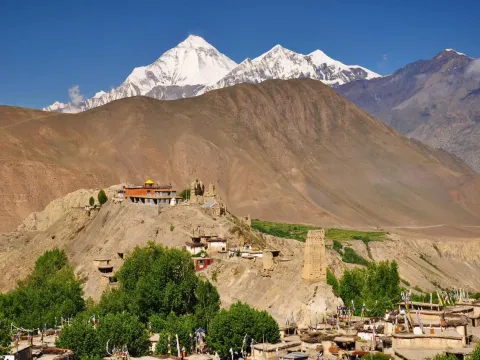
Upper Mustang Trekking is one of Nepal’s most unique and culturally rich Himalayan adventures, offering an opportunity to explore the hidden kingdom of Mustang, a remote region located in the northwestern part of Nepal. Often known as the “Last Forbidden Kingdom,” Upper Mustang remained isolated from the outside world for centuries, preserving its ancient Tibetan-influenced culture, traditions, monasteries, and mysterious cave settlements. The trek takes you through a spectacular landscape of high-altitude deserts, colorful cliffs, deep valleys, and traditional villages surrounded by the Annapurna and Dhaulagiri mountain ranges.Unlike many popular trekking routes in Nepal, Upper Mustang provides a completely different experience with its dry desert-like terrain, ancient Buddhist heritage, and untouched natural beauty. The journey begins with a scenic flight from Pokhara to Jomsom and continues through historic villages such as Kagbeni, Chele, Ghami, Tsarang, and the legendary walled city of Lo Manthang. Along the route, trekkers can explore ancient monasteries, prayer walls, royal palaces, sky caves, and traditional settlements where local people continue their centuries-old lifestyle.With the professional support of Trail Mania Trek, travelers can experience the authentic beauty of Upper Mustang safely and comfortably. The company provides experienced guides, well-planned itineraries, permit arrangements, accommodation support, and cultural insights that make the trekking experience more meaningful.Exploration of the ancient walled city of Lo ManthangVisit centuries-old monasteries, caves, and Buddhist heritage sitesExperience Tibetan-influenced culture and traditional Mustang lifestyleTrek through dramatic desert landscapes and colorful cliffsScenic flights through the Annapurna and Dhaulagiri Himalayan rangesDiscover hidden villages and remote Himalayan communitiesExperience one of Nepal’s most restricted and culturally preserved trekking regionsUpper Mustang Trekking is not only a mountain adventure but also a journey through history, spirituality, and the extraordinary natural beauty of the Himalayas.Best Season for Upper Mustang TrekkingUpper Mustang Trekking is considered one of the best year-round trekking destinations in Nepal because of its unique location in the rain-shadow area of the Himalayas. Unlike most trekking regions affected by the monsoon season, Upper Mustang receives very little rainfall during summer. This makes it possible to explore the region even during Nepal’s monsoon months when many other trekking areas become difficult due to heavy rain and muddy trails.However, the best seasons for Upper Mustang Trekking are generally spring (March to May) and autumn (September to November). During these months, the weather remains stable, the skies are usually clear, and the mountain views are spectacular. Spring brings pleasant temperatures, blooming desert vegetation, and colorful landscapes, while autumn offers excellent visibility of the Himalayan peaks and comfortable trekking conditions.Winter trekking is also possible in Upper Mustang, especially for experienced trekkers who enjoy solitude and peaceful trails. Since the region is dry and receives limited snowfall compared to other high-altitude areas, winter offers a unique opportunity to explore Mustang with fewer visitors. However, temperatures can drop significantly, especially at night, so proper preparation and warm trekking equipment are essential.Best Time for Upper Mustang Trekking:Spring (March–May):Mild temperatures and beautiful landscapesClear mountain viewsIdeal for photography and cultural explorationAutumn (September–November):Best overall trekking seasonStable weather conditionsExcellent visibility of Himalayan peaksSummer/Monsoon (June–August):Suitable due to Mustang’s rain-shadow locationLess crowded trailsUnique green landscapes around villagesWinter (December–February):Peaceful trekking experienceFewer touristsRequires proper cold-weather preparationTrail Mania Trek helps trekkers select the most suitable season according to their interests, experience level, and travel schedule. Proper planning ensures a safe and enjoyable Upper Mustang adventure.Upper Mustang Trekking Difficulty and TransportationUpper Mustang Trekking is considered a moderate to challenging trekking adventure that requires good physical fitness, preparation, and a positive mindset. Although the route does not involve extreme technical climbing, trekkers must walk through high-altitude terrain, dry valleys, rocky trails, and several mountain passes above 3,500 meters. The highest points of the trek include passes such as Lo La Pass and Paha Pass, where altitude and changing weather conditions can make the journey demanding.The trek usually involves walking between 5 to 8 hours per day, with some longer trekking days requiring additional endurance. The dry climate, strong winds, and remote nature of the region require trekkers to maintain proper hydration, acclimatize gradually, and follow the guidance of experienced trekking professionals. A well-planned itinerary with rest days helps reduce altitude-related risks and improves the overall trekking experience.Transportation for Upper Mustang Trekking mainly includes scenic mountain flights and trekking on foot. The journey usually starts with a flight from Kathmandu to Pokhara, followed by another spectacular flight from Pokhara to Jomsom. The trekking route begins from Kagbeni, the gateway to Upper Mustang, and continues through remote villages before returning through the Kali Gandaki Valley.Difficulty and Transportation Features:Moderate to challenging trekking levelDaily walking duration: approximately 5–8 hoursMaximum altitude: around 4,200 metersRequires good physical fitness and preparationIncludes several high mountain passesTransportation includes: Kathmandu–Pokhara domestic flightPokhara–Jomsom scenic mountain flightTrekking through remote Himalayan trailsReturn flight from Jomsom to PokharaWith Trail Mania Trek’s experienced guides and carefully designed itinerary, trekkers receive proper acclimatization support, safety guidance, and transportation management throughout the journey.Food and Accommodation for Upper Mustang TrekkingFood and accommodation play an important role in making Upper Mustang Trekking comfortable and enjoyable. Since Upper Mustang is a remote Himalayan region, accommodation facilities are mainly based on traditional teahouses and local lodges. These teahouses provide clean rooms, comfortable beds, warm dining areas, and a chance to experience authentic Mustang hospitality. While facilities are simpler compared to city hotels, they offer a unique opportunity to connect with local communities and understand mountain lifestyles.During the trek, meals are prepared using locally available ingredients and traditional cooking methods. Trekkers can enjoy a variety of Nepalese and Tibetan-inspired dishes, including dal bhat (rice, lentils, and vegetables), noodles, soups, Tibetan bread, potatoes, vegetables, eggs, and other simple but nutritious meals. Proper nutrition is important at high altitude, and meals are selected to provide enough energy for long trekking days.Trail Mania Trek carefully selects accommodation and food arrangements to ensure cleanliness, safety, and comfort throughout the journey. The trekking team coordinates with local teahouses and ensures that trekkers receive quality service even in remote areas.Food and Accommodation Features:Comfortable local teahouse accommodationTraditional Mustang hospitality experienceClean rooms with basic facilitiesNutritious trekking mealsVegetarian and non-vegetarian options availableHot drinks, including tea and coffeeLocal Tibetan and Nepalese cuisine experienceExperienced team support for special dietary requirementsStaying in local lodges allows trekkers to experience the authentic culture of Mustang while supporting local communities. The combination of traditional accommodation, local food, and warm hospitality makes Upper Mustang Trekking a memorable cultural journey.Upper Mustang Trekking PermitsUpper Mustang is a restricted trekking area of Nepal, and special permits are required to enter this culturally and environmentally protected region. The Nepal government has regulated access to Upper Mustang in order to preserve its unique heritage, fragile ecosystem, and traditional lifestyle. Every foreign trekker must obtain a Restricted Area Permit (RAP) and an Annapurna Conservation Area Permit (ACAP) before beginning the trek.The restricted permit system ensures controlled tourism while protecting ancient monasteries, archaeological sites, and local traditions. Trekkers cannot enter Upper Mustang independently; they must travel through a registered trekking agency with a licensed guide. Trail Mania Trek manages all necessary permit arrangements, documentation, and official procedures so travelers can enjoy a smooth and stress-free trekking experience.Required Permits for Upper Mustang Trekking:Upper Mustang Restricted Area Permit (RAP):Mandatory for entering Upper MustangRequires a licensed trekking agency and guideHelps preserve the restricted cultural regionAnnapurna Conservation Area Permit (ACAP):Required because the trekking route passes through the Annapurna Conservation AreaSupports conservation and local development programsTrekking Agency Support:Permit processing assistanceDocumentation managementGovernment procedure handlingTrail Mania Trek provides complete permit support before and during the trek. Their experienced team ensures that all legal requirements are completed properly, allowing trekkers to focus on enjoying the incredible landscapes, culture, and adventure of Upper Mustang.Why Choose Upper Mustang TrekkingUpper Mustang Trekking is an extraordinary adventure for travelers seeking a combination of Himalayan scenery, ancient culture, and remote wilderness. Unlike crowded trekking routes, Upper Mustang offers a peaceful and authentic experience where visitors can explore a landscape that feels completely different from other parts of Nepal. The region’s unique combination of Tibetan Buddhist heritage, dramatic cliffs, ancient caves, and traditional villages creates a once-in-a-lifetime trekking experience.One of the main reasons to choose Upper Mustang is the opportunity to discover a hidden Himalayan kingdom that has preserved its traditions for centuries. The ancient city of Lo Manthang, centuries-old monasteries, sacred caves, and traditional festivals provide deep cultural experiences. The landscape itself is equally impressive, featuring natural rock formations, high-altitude deserts, and breathtaking Himalayan views.Choosing Trail Mania Trek ensures professional service, safety, and a well-organized trekking experience. The company focuses on responsible tourism, experienced guides, personalized support, and authentic cultural experiences.Reasons to Choose Upper Mustang Trekking:Explore Nepal’s hidden and restricted Himalayan kingdomExperience unique Tibetan-influenced cultureVisit ancient monasteries, caves, and historical sitesEnjoy spectacular mountain and desert landscapesTrek through less crowded remote trailsDiscover traditional Mustang villages and lifestylesExperience safe trekking with professional guidesSupport local communities through responsible tourismUpper Mustang Trekking with Trail Mania Trek offers more than just a mountain journey—it provides an opportunity to connect with history, culture, nature, and the timeless spirit of the Himalayas. It is an ideal choice for travelers looking for a rare, authentic, and unforgettable Nepal trekking experience.
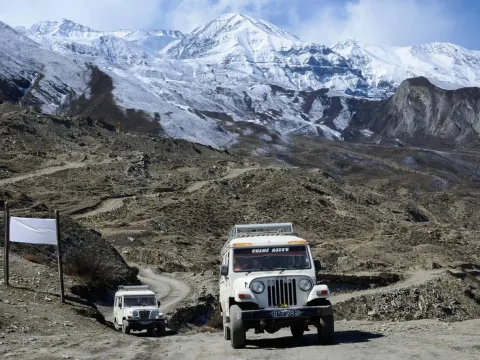
The Upper Mustang Jeep Tour with Trail Mania Trek is one of Nepal’s most unique Himalayan adventures, offering an extraordinary journey into the hidden kingdom of Mustang. Located in the rain-shadow region of the Annapurna and Dhaulagiri mountain ranges, Upper Mustang is famous for its dramatic desert-like landscapes, ancient Tibetan Buddhist culture, mysterious caves, centuries-old monasteries, and traditional villages preserved for generations. This jeep tour is specially designed for travelers who want to explore the remote beauty of Mustang with comfort while avoiding long trekking days at high altitudes.The journey begins from Kathmandu and passes through the beautiful lakeside city of Pokhara before entering the remote landscapes of Lower and Upper Mustang. Traveling by a private 4WD jeep allows you to access isolated villages, high mountain passes, ancient monasteries, and hidden valleys that are difficult to reach by regular transportation. With the professional support of Trail Mania Trek, every part of the journey, including permits, transportation, accommodation, and local experiences, is carefully arranged for a safe and memorable adventure.During the Upper Mustang Jeep Tour, you will explore iconic destinations such as Kagbeni, Lo Manthang, Ghami, Dhakmar, Tsarang, Chhoser, Yara, and Muktinath. The tour provides a perfect combination of Himalayan scenery, cultural exploration, adventure, and spiritual experiences.Explore the ancient Kingdom of Lo and its preserved Tibetan cultureScenic jeep journey through the Kali Gandaki ValleyVisit Lo Manthang, the historic capital of Upper MustangDiscover ancient caves, monasteries, and Buddhist monumentsCross high mountain passes with breathtaking viewsExperience traditional Mustang villages and local lifestylesVisit the sacred Muktinath TempleEnjoy comfortable travel with a private 4WD jeepExplore one of Nepal’s most restricted and culturally protected regionsBest Season for Upper Mustang Jeep TourThe best seasons for the Upper Mustang Jeep Tour with Trail Mania Trek are spring (March to May) and autumn (September to November). During these months, the weather is stable, the skies are generally clear, and the mountain views are spectacular. The comfortable temperatures make driving, sightseeing, photography, and exploring ancient villages much more enjoyable.Spring brings pleasant weather, blooming vegetation in lower Mustang areas, and excellent visibility of the surrounding Himalayan peaks. Autumn is considered the most popular season because of the clear blue skies, dry roads, and perfect conditions for exploring the high-altitude desert landscapes of Upper Mustang. These seasons also provide the best opportunities for capturing beautiful photographs of monasteries, cliffs, mountains, and traditional settlements.Although Upper Mustang lies in a rain-shadow area and can be visited during the monsoon season (June to August), road conditions may become challenging due to landslides and muddy sections in lower Mustang. Winter (December to February) is also possible for experienced travelers, but temperatures can drop significantly, especially at night.Best months for Upper Mustang Jeep Tour:March to May: Mild weather, colorful landscapes, good visibilityJune to August: Less rainfall compared to other regions of Nepal, fewer touristsSeptember to November: Best overall season with clear mountain viewsDecember to February: Cold but peaceful with fewer visitorsWhy choose the best season?Better road conditions for jeep travelClear views of Annapurna, Dhaulagiri, and Mustang landscapesComfortable temperatures for sightseeingHigher chances of exploring all destinations safelyBetter photography opportunitiesUpper Mustang Jeep Tour Difficulty and TransportationThe Upper Mustang Jeep Tour is considered a moderate adventure suitable for travelers of different age groups and fitness levels. Unlike trekking adventures that require long walking days, this tour allows you to explore the remote Himalayan region comfortably by private 4WD jeep. However, the high altitude, rough mountain roads, and changing weather conditions make it an exciting journey that requires proper preparation.The highest points of the journey include mountain passes above 4,000 meters, where travelers may experience altitude-related challenges. Trail Mania Trek provides experienced drivers and guides who understand the terrain, road conditions, and safety requirements of the Mustang region. The itinerary is carefully planned with proper acclimatization opportunities to make the journey comfortable.Transportation is one of the major highlights of this tour. A private 4WD jeep is used because Upper Mustang contains many off-road sections, rocky trails, and mountain tracks that require strong and reliable vehicles. The jeep allows travelers to reach remote areas while enjoying flexibility for photography stops and cultural exploration.Difficulty level:Moderate adventure suitable for most travelersNo long-distance trekking requiredHigh altitude may require gradual adjustmentOff-road driving requires patience and flexibilitySuitable for families, couples, and senior travelersTransportation features:Private, comfortable 4WD jeep throughout the Mustang regionExperienced local driver familiar with mountain roadsScenic drives through valleys, cliffs, and villagesFlexible stops for sightseeing and photographySafe transportation arranged by Trail Mania TrekFood and Accommodation for Upper Mustang Jeep TourDuring the Upper Mustang Jeep Tour with Trail Mania Trek, travelers will experience a combination of comfortable accommodation and authentic Himalayan hospitality. Accommodation is arranged in carefully selected hotels, lodges, and traditional guesthouses based on availability and location. In Kathmandu and Pokhara, guests stay in comfortable hotels, while in remote Mustang villages, traditional teahouses and local lodges provide a unique cultural experience.The food experience during the tour includes a variety of Nepali, Tibetan, Indian, and international dishes. Local meals provide an opportunity to taste authentic Himalayan cuisine while traveling through traditional villages. Meals are prepared with fresh local ingredients whenever possible, ensuring a satisfying experience during the journey.Trail Mania Trek focuses on maintaining comfort and hygiene throughout the adventure. Although facilities become more basic in remote areas, the hospitality of Mustang communities creates a warm and memorable experience.Accommodation includes:Comfortable hotels in Kathmandu and PokharaLocal lodges and guesthouses in MustangClean rooms with basic facilitiesTraditional Himalayan hospitalityAccommodation selected according to location and availabilityFood options include:Traditional Nepali meals (Dal Bhat, vegetables, curry)Tibetan-style dishesNoodles, soups, and rice mealsVegetarian and non-vegetarian optionsBreakfast, lunch, and dinner during the tourUpper Mustang Jeep Tour PermitsUpper Mustang is a restricted region of Nepal, and special permits are required to enter this culturally and environmentally protected area. The region has controlled access to preserve its ancient Tibetan heritage, fragile ecosystem, and traditional way of life. Trail Mania Trek manages all necessary permit arrangements to make your journey smooth and stress-free.The main permit required for this adventure is the Restricted Area Permit (RAP) for Upper Mustang. Travelers must enter the region through an authorized trekking or tour company, and independent travel is not allowed. A minimum number of days and specific regulations apply while visiting this restricted area.In addition to the Upper Mustang Restricted Area Permit, other permits may also be required depending on the route and current government regulations. Trail Mania Trek takes responsibility for preparing documents, processing permits, and ensuring all legal requirements are completed before departure.Required permits generally include:Upper Mustang Restricted Area PermitAnnapurna Conservation Area Permit (ACAP)TIMS or other required documentation according to regulationsPassport copy and photographsValid travel documentsWhy permits are important:Protect Mustang’s unique cultural heritageSupport conservation activitiesControl visitor numbersEnsure safe and regulated travelAllow access to restricted historical areasWhy Choose Upper Mustang Jeep Tour with Trail Mania Trek?Choosing the Upper Mustang Jeep Tour with Trail Mania Trek means experiencing one of Nepal’s most extraordinary destinations with professional planning, local expertise, and personalized service. Upper Mustang is not just a destination; it is a journey through ancient history, sacred monasteries, dramatic landscapes, and a culture that has remained almost unchanged for centuries.Trail Mania Trek specializes in creating comfortable and well-organized Himalayan adventures. Our experienced team understands the challenges of traveling in remote mountain regions and provides reliable transportation, experienced guides, proper permits, and carefully designed itineraries. We focus on safety, cultural respect, and creating meaningful travel experiences for every guest.With Trail Mania Trek, you can enjoy the freedom of exploring Upper Mustang without worrying about complicated logistics. From airport arrival to final departure, every detail is handled professionally, allowing you to focus on enjoying the landscapes, people, and unforgettable moments of Mustang.Reasons to choose Trail Mania Trek:Experienced local trekking and tour professionalsCustomized Upper Mustang Jeep Tour itinerariesReliable private 4WD jeep transportationProfessional guides with regional knowledgeComplete permit and documentation supportComfortable accommodation arrangementsSafety-focused travel planningAuthentic cultural experiencesResponsible and eco-friendly tourism approachExperience the hidden kingdom of Mustang with Trail Mania Trek — where adventure meets culture, history, and Himalayan beauty.
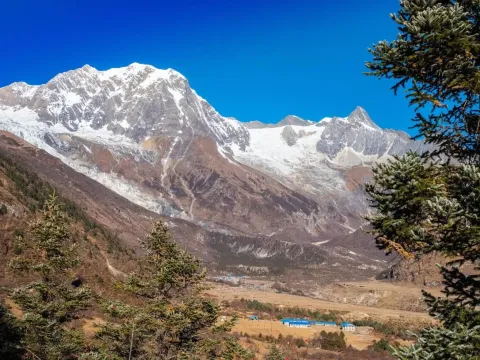
The Manaslu Circuit Trek is one of Nepal’s most spectacular and less-crowded trekking adventures, offering a perfect combination of natural beauty, cultural exploration, and Himalayan wilderness. Located in the Manaslu region of western Nepal, this trek takes you around the world’s eighth-highest mountain, Mount Manaslu (8,163m). The journey begins from the lower hills near Machha Khola and gradually ascends through the beautiful Budhi Gandaki River valley before reaching the high-altitude landscapes near the Larkya La Pass (5,106m).Organized by Trail Mania Trek, the Manaslu Circuit Trek provides an authentic Himalayan experience away from the busy trekking routes. The trail passes through traditional Gurung and Tibetan-influenced villages, ancient monasteries, prayer walls, suspension bridges, forests, glaciers, and breathtaking mountain viewpoints. The trek offers a unique opportunity to experience the untouched culture and natural environment of the Manaslu Conservation Area.The standard Manaslu Circuit Trek itinerary is designed for safe altitude adjustment and includes acclimatization days in important villages such as Samagaon. Trekkers can enjoy magnificent views of Manaslu, Himalchuli, Ganesh Himal, Annapurna ranges, and other Himalayan peaks while crossing one of Nepal’s most rewarding mountain passes.Trek around the magnificent Mount Manaslu (8,163m)Cross the challenging and scenic Larkya La Pass (5,106m)Explore Tibetan-influenced mountain villages and monasteriesExperience the remote beauty of the Manaslu Conservation AreaEnjoy panoramic Himalayan views and diverse landscapesDiscover authentic local culture and traditional lifestylesBest Season for Manaslu Circuit TrekChoosing the right season is very important for a successful and enjoyable Manaslu Circuit Trek. The best seasons for trekking in the Manaslu region are spring (March to May) and autumn (September to November). During these months, the weather remains stable, the skies are generally clear, and the mountain views are at their best.Spring is a beautiful time to trek because the hills and forests become colorful with blooming rhododendron flowers, Nepal’s national flower. The temperatures are comfortable for walking, and trekkers can enjoy spectacular views of snow-covered peaks surrounded by vibrant landscapes. Autumn is considered the most popular trekking season because of excellent visibility, pleasant temperatures, and dry weather conditions.Winter trekking is possible for experienced trekkers, but the higher sections around Larkya La Pass can become extremely cold and snowy. The monsoon season (June to August) is less recommended because heavy rainfall may cause slippery trails, landslides, and transportation delays.Best trekking seasons:Spring (March–May): Colorful forests, mild temperatures, clear mountain viewsAutumn (September–November): Best weather, stable trails, excellent visibilityWinter (December–February): Possible but requires proper preparationMonsoon (June–August): Less recommended due to rain and trail conditionsWith Trail Mania Trek, every departure is carefully planned according to seasonal conditions to provide trekkers with a safe and memorable Himalayan experience.Manaslu Circuit Trek Difficulty and TransportationThe Manaslu Circuit Trek is considered a moderate to challenging Himalayan trek because of its remote location, long walking days, and high-altitude sections. Trekkers should have good physical fitness and preparation to complete the journey successfully. The most demanding part of the trek is crossing the Larkya La Pass at 5,106 meters, where altitude, cold temperatures, and steep sections require proper acclimatization and careful pacing.The trek usually involves walking approximately 6–8 hours per day through different terrains, including forests, rocky paths, suspension bridges, mountain trails, and high-altitude landscapes. Although technical climbing skills are not required, previous trekking experience and regular physical training are highly recommended.Transportation during the Manaslu Circuit Trek includes a scenic drive from Kathmandu to the trekking starting point and a return drive after completing the circuit. Trail Mania Trek arranges comfortable private transportation to ensure a smooth and safe travel experience.Difficulty factors:Long walking days (5–8 hours daily)Maximum altitude of 5,106m at Larkya La PassRemote mountain environmentChanging weather conditionsSteep ascents and descentsTransportation details:Private vehicle transfer from Kathmandu to Machha KholaLocal/private transportation during the trek route where requiredDrive from Dharapani to Besisahar after trekkingComfortable private transfer from Besisahar to KathmanduFood and Accommodation for Manaslu Circuit TrekDuring the Manaslu Circuit Trek, trekkers stay mainly in traditional mountain teahouses that provide basic but comfortable accommodation. These teahouses are operated by local families and offer a warm atmosphere where trekkers can experience authentic Himalayan hospitality. Rooms are generally twin-sharing with simple beds, mattresses, blankets, and shared bathroom facilities.Trail Mania Trek carefully selects reliable teahouses along the route to ensure cleanliness, comfort, and safety. In higher elevations, facilities become more basic due to the remote location, but the welcoming nature of local hosts makes the experience unique and memorable.Food on the Manaslu Circuit Trek includes a variety of traditional Nepali meals as well as common international dishes. A balanced diet is essential for maintaining energy during long trekking days, so meals are selected to provide enough carbohydrates, protein, and nutrients.Accommodation features:Comfortable teahouse stays along the trekking routeTwin-sharing roomsWarm dining areasLocal Himalayan hospitalityBasic facilities suitable for mountain conditionsFood options include:Dal Bhat (rice, lentils, and vegetables)Noodles and pasta dishesTibetan bread and pancakesSoups and seasonal vegetablesEggs and simple breakfast optionsTea, coffee, and hot beveragesManaslu Circuit Trek PermitsThe Manaslu region is a restricted trekking area of Nepal, meaning special permits are required before entering the region. The permit system helps protect the natural environment, preserve local culture, and manage tourism activities in this sensitive Himalayan area.Trail Mania Trek handles all necessary permit arrangements on behalf of trekkers, ensuring that all official documentation is completed before starting the journey. Trekkers must travel with a registered guide and follow government regulations while exploring the Manaslu region.The main permits required for the Manaslu Circuit Trek include:Required permits:Manaslu Restricted Area Permit: Required because the region is a controlled trekking zoneManaslu Conservation Area Permit (MCAP): Supports conservation and environmental protectionAnnapurna Conservation Area Permit (ACAP): Required when entering the Annapurna conservation area section after crossing Larkya La PassHaving proper permits ensures a legal, safe, and responsible trekking experience. Trail Mania Trek manages the complete permit process so trekkers can focus on enjoying the Himalayan adventure.Why Choose Manaslu Circuit Trek with Trail Mania TrekChoosing the right trekking company is essential for a safe and enjoyable Himalayan journey. Trail Mania Trek specializes in organizing unforgettable trekking experiences in Nepal with professional guides, carefully planned itineraries, and personalized services. Our Manaslu Circuit Trek package is designed to provide adventure, cultural discovery, and comfort while exploring one of Nepal’s most beautiful remote regions.Trail Mania Trek focuses on responsible tourism by supporting local communities, respecting mountain cultures, and maintaining environmentally friendly trekking practices. Our experienced guides understand the challenges of high-altitude trekking and provide continuous support throughout the journey.Reasons to choose Trail Mania Trek:Experienced and professional trekking guidesWell-planned itinerary with proper acclimatizationComplete permit and documentation assistanceSafe transportation arrangementsComfortable teahouse selectionPersonalized trekking servicesKnowledgeable local teamFocus on safety and customer satisfactionThe Manaslu Circuit Trek with Trail Mania Trek is more than just a mountain journey; it is an opportunity to connect with nature, experience ancient Himalayan cultures, and create unforgettable memories in one of Nepal’s most breathtaking trekking destinations. Our team is committed to making your Himalayan adventure safe, enjoyable, and truly memorable.
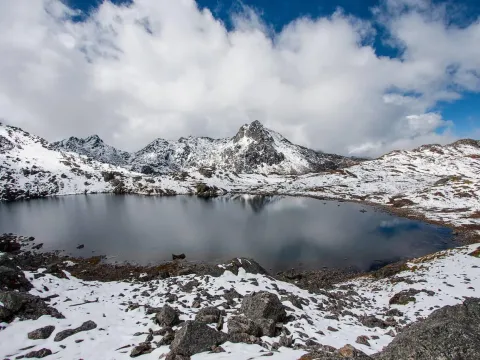
The Langtang Gosaikunda Lake Chisapani Trekking is one of the most diverse and rewarding trekking adventures in Nepal, combining beautiful Himalayan landscapes, ancient culture, sacred lakes, traditional villages, and spectacular mountain views. Organized by Trail Mania Trek, this journey takes you through the beautiful Langtang Valley, the holy alpine region of Gosaikunda Lake, and the peaceful hills of Helambu and Chisapani. It is an ideal trekking route for travelers who want to experience the natural beauty of the Himalayas while exploring the rich cultural heritage of the Tamang and Hyolmo communities.The trek begins with a scenic drive from Kathmandu to Syabru Besi, the gateway of the Langtang region. The trail gradually ascends through lush forests, river valleys, and traditional mountain settlements before reaching the beautiful village of Kyanjin Gompa. The area is famous for its breathtaking views of Langtang Lirung, glaciers, yak pastures, ancient monasteries, and Himalayan landscapes. An acclimatization day at Kyanjin Gompa allows trekkers to explore viewpoints such as Kyanjin Ri and enjoy the peaceful mountain environment.After exploring Langtang Valley, the trek continues toward the sacred Gosaikunda Lake, situated at an altitude of 4,380 meters. Surrounded by snow-covered peaks, this holy lake holds great religious importance for both Hindus and Buddhists. The journey then crosses the challenging Lauribina Pass before descending into the beautiful Helambu region and finally reaching Chisapani, a famous viewpoint near Kathmandu known for stunning sunrise and Himalayan panoramas.Scenic drive through Nepal’s countryside from Kathmandu to Syabru BesiExploration of Langtang Valley and Kyanjin GompaBreathtaking views of Langtang Lirung and Himalayan peaksVisit to the sacred Gosaikunda Lake at 4,380 metersCrossing the adventurous Lauribina PassExperience of Tamang and Hyolmo culturesBeautiful sunrise views from ChisapaniA combination of nature, culture, adventure, and spiritualityBest Season for Langtang Gosaikunda Lake Chisapani TrekkingThe best seasons for the Langtang Gosaikunda Lake Chisapani Trekking are spring (March to May) and autumn (September to November). During these periods, the weather remains stable, the skies are generally clear, and the mountain views are at their best. Trail Mania Trek recommends these seasons because trekkers can enjoy comfortable walking conditions, excellent visibility, and a safer trekking experience in the high Himalayan areas.Spring is a wonderful time for this trek because the forests of Langtang National Park become colorful with blooming rhododendron flowers, Nepal’s national flower. The pleasant temperatures, fresh mountain air, and green landscapes make the journey especially beautiful. Wildlife activity also increases during this period, providing opportunities to experience the natural diversity of the region.Autumn is considered the peak trekking season in Nepal due to its clear weather and breathtaking mountain scenery. The views of Langtang Himal, Ganesh Himal, Manaslu ranges, and surrounding peaks are spectacular during this time. The trails are dry, and the cultural atmosphere is lively as local communities celebrate traditional festivals.Winter (December to February) is also possible for experienced trekkers who enjoy peaceful trails and snowy landscapes. However, temperatures can be very cold, especially around Gosaikunda and Lauribina Pass. The monsoon season (June to August) brings heavy rainfall, slippery trails, and cloudy mountain views, making the trek more challenging.Recommended Trekking Seasons:Spring (March–May): Best for flowers, pleasant weather, and clear mountain viewsAutumn (September–November): Best overall season with excellent visibilityWinter (December–February): Suitable for experienced trekkers seeking fewer crowdsMonsoon (June–August): Less recommended due to rain and trail conditionsLangtang Gosaikunda Lake Chisapani Trekking Difficulty and TransportationThe Langtang Gosaikunda Lake Chisapani Trekking is considered a moderate to challenging trekking route. The difficulty comes mainly from the long trekking duration, high altitude sections, and the crossing of Lauribina Pass at approximately 4,610 meters. Trekkers should have good physical fitness and prepare for several hours of walking each day through varied terrain, including forests, rocky paths, steep climbs, and mountain trails.Although the trek is challenging, it does not require technical climbing skills. With proper acclimatization, a comfortable walking pace, and support from experienced guides of Trail Mania Trek, most active travelers can successfully complete this adventure. The itinerary is carefully designed with acclimatization days to reduce the risk of altitude-related problems and provide a safe trekking experience.Transportation plays an important role in this trekking package. The journey begins with a scenic drive from Kathmandu to Syabru Besi by private jeep, Land Cruiser, or comfortable vehicle depending on group size. The road passes through beautiful hills, rivers, terraced farms, and traditional villages. After completing the trek from Chisapani to Sundarijal, private transportation is arranged by Trail Mania Trek to return guests comfortably to Kathmandu.Difficulty and Transportation Information:Trek Duration: Approximately 16 days, including arrival and departureTrek Grade: Moderate to challengingMaximum Altitude: Gosaikunda Lake (4,380m) and Lauribina Pass areaDaily Walking Hours: Approximately 5–8 hoursTransportation: Private jeep, Land Cruiser, van, or tourist vehicleExperience Required: Basic trekking experience and good physical fitness are recommendedFood and Accommodation for Langtang Gosaikunda Lake Chisapani TrekkingDuring the Langtang Gosaikunda Lake Chisapani Trekking, Trail Mania Trek provides comfortable accommodation and nutritious meals to support your Himalayan adventure. Most nights during the trekking period are spent in traditional mountain teahouses and lodges operated by local families. These accommodations provide basic but comfortable facilities, including beds, blankets, dining areas, and warm hospitality.The teahouses along the route allow trekkers to experience authentic mountain lifestyles and interact with local communities. While facilities become more basic at higher elevations, Trail Mania Trek carefully selects reliable lodges that maintain cleanliness, safety, and comfort. In Kathmandu, accommodation is arranged in a comfortable hotel with modern facilities before and after the trek.Food during the trek includes a variety of local and international options. Meals are prepared to provide enough energy for long trekking days. Traditional Nepali dishes such as Dal Bhat (rice, lentils, and vegetables), noodles, soups, Tibetan bread, potatoes, vegetables, eggs, and simple Western meals are commonly available.Food and Accommodation Highlights:Comfortable hotel stay in KathmanduLocal teahouse accommodation during trekkingFreshly prepared mountain mealsTraditional Nepali cuisine experienceVegetarian and non-vegetarian food options availableWarm hospitality from local mountain communitiesExperienced support from Trail Mania Trek teamLangtang Gosaikunda Lake Chisapani Trekking PermitsThe Langtang Gosaikunda Lake Chisapani Trekking requires several official permits because the route passes through protected conservation areas and national parks. Trail Mania Trek assists trekkers in arranging all necessary permits and documentation before starting the journey, ensuring a smooth and hassle-free trekking experience.The main permit required for this trek is the Langtang National Park Entry Permit, as a large portion of the trail passes through Langtang National Park, which protects diverse Himalayan ecosystems, wildlife, forests, and natural landscapes. Trekkers also need the Trekkers’ Information Management System (TIMS) Card, which helps authorities maintain trekking safety and records.Obtaining permits through a registered trekking company like Trail Mania Trek makes the process easier because the company manages the required paperwork and ensures compliance with Nepal’s trekking regulations.Required Permits:Langtang National Park Entry PermitTIMS (Trekkers’ Information Management System) CardRequired local area permits if applicablePermit arrangements handled by Trail Mania TrekWhy Choose Langtang Gosaikunda Lake Chisapani TrekkingThe Langtang Gosaikunda Lake Chisapani Trekking is an excellent choice for travelers looking for a complete Himalayan experience without extremely crowded trails. This trek offers a perfect combination of adventure, natural beauty, spirituality, and cultural exploration. Unlike many popular trekking routes, Langtang and Helambu provide peaceful trails where visitors can enjoy authentic interactions with local communities.Choosing Trail Mania Trek ensures professional guidance, experienced trekking staff, carefully planned itineraries, and personalized service throughout the journey. The company focuses on safety, comfort, and creating memorable experiences while respecting local culture and the environment.From the beautiful Langtang Valley and ancient monasteries to the sacred Gosaikunda Lake and panoramic Chisapani viewpoint, this trek offers unforgettable moments at every stage. The diversity of landscapes, from subtropical forests to alpine terrain, makes it one of Nepal’s most rewarding trekking experiences.Reasons to Choose This Trek:Complete Himalayan adventure in one journeyLess crowded alternative trekking routeStunning mountain and landscape viewsRich Tamang and Hyolmo cultural experiencesSacred Gosaikunda Lake explorationProfessional support from Trail Mania TrekSafe and well-planned trekking itinerarySuitable for adventure seekers, nature lovers, and cultural explorersTrail Mania Trek welcomes you to experience the incredible beauty of the Langtang Gosaikunda Lake Chisapani Trekking route and create lifelong memories in the Himalayas of Nepal.
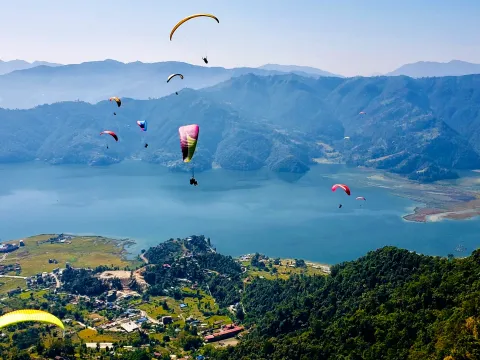
The Kathmandu Pokhara Luxury Tour with Everest Mountain Flight is one of Nepal's finest premium travel experiences, combining cultural exploration, breathtaking Himalayan scenery, luxury accommodations, and an unforgettable mountain flight into one carefully designed itinerary. Offered by Trail Mania Trek, this 8-day luxury holiday is ideal for travelers who want to discover Nepal's rich heritage and natural beauty while enjoying first-class comfort, personalized service, and expertly guided sightseeing. Instead of challenging trekking routes, this tour allows you to experience Nepal's most iconic destinations through comfortable transportation, carefully selected luxury hotels, and professional local guides.Your journey begins in Kathmandu, Nepal's historic capital city, where ancient temples, royal palaces, colorful markets, and UNESCO World Heritage Sites introduce you to the country's fascinating culture and history. Guided sightseeing takes you to renowned landmarks including Pashupatinath Temple, Boudhanath Stupa, Kathmandu Durbar Square, and Swayambhunath, each representing centuries of religious devotion, remarkable architecture, and living traditions. The itinerary also includes a visit to the beautifully preserved medieval city of Bhaktapur before continuing to Nagarkot, one of Nepal's most famous hill stations. Here, guests enjoy spectacular Himalayan sunset and sunrise views from a peaceful mountain setting while relaxing in a luxury hotel.The adventure continues with a scenic drive to Pokhara, Nepal's picturesque lakeside city surrounded by magnificent Himalayan peaks. During your stay, you'll witness a breathtaking sunrise from Sarangkot, where the Annapurna, Dhaulagiri, Machhapuchhre (Fishtail), and Manaslu ranges create an unforgettable mountain panorama. Sightseeing includes Davis Falls, Gupteshwor Mahadev Cave, the Seti River Gorge, the International Mountain Museum, and a relaxing boat ride across the tranquil waters of Phewa Lake to Tal Barahi Temple. Every activity is thoughtfully arranged by Trail Mania Trek to provide a seamless blend of relaxation, sightseeing, and authentic cultural experiences.One of the greatest highlights of this luxury journey is the spectacular Everest Mountain Flight from Kathmandu. This unforgettable fixed-wing scenic flight offers every passenger a guaranteed window seat and panoramic aerial views of Nepal's highest peaks, including Langtang, Gaurishankar, Cho Oyu, Lhotse, Nuptse, and the world's highest mountain, Mount Everest. Without the need for strenuous trekking, travelers can admire the grandeur of the Himalayas from above while enjoying a once-in-a-lifetime aviation experience. Combined with premium accommodations, private airport transfers, experienced guides, delicious cuisine, and attentive customer service, this luxury tour creates memories that will last forever.Whether you are celebrating a honeymoon, anniversary, family vacation, or simply fulfilling a lifelong dream of visiting Nepal, Trail Mania Trek ensures every detail is handled with professionalism and care. The Kathmandu Pokhara Luxury Tour with Everest Mountain Flight is designed for travelers seeking comfort, elegance, cultural discovery, and extraordinary Himalayan scenery in one unforgettable holiday.Luxury hotels in Kathmandu, Nagarkot, and PokharaGuided sightseeing of Kathmandu Valley UNESCO World Heritage SitesExplore the medieval city of BhaktapurHimalayan sunrise and sunset views from NagarkotScenic drive through Nepal's beautiful countrysideSunrise tour at Sarangkot HillVisit Davis Falls, Gupteshwor Cave, Seti Gorge, and Phewa LakeBoat ride to Tal Barahi TempleOne-hour Everest Mountain Flight with guaranteed window seatPrivate airport transfers and professional service by Trail Mania TrekBest Season for Kathmandu Pokhara Luxury Tour with Everest Mountain FlightThe Kathmandu Pokhara Luxury Tour with Everest Mountain Flight can be enjoyed throughout the year, but choosing the right season can greatly enhance your experience with clearer mountain views, pleasant weather, and comfortable sightseeing conditions. Nepal experiences four major seasons, and each period offers unique attractions for travelers seeking cultural exploration, Himalayan scenery, and luxury travel experiences. Since this tour combines city sightseeing, hill viewpoints, lakeside relaxation, and an Everest scenic flight, the best seasons are generally autumn and spring when the weather is stable and the Himalayan visibility is at its finest.The autumn season (September to November) is considered the best time for the Kathmandu Pokhara Luxury Tour with Everest Mountain Flight. During these months, the skies are usually clear after the monsoon rains, creating excellent conditions for mountain views from Nagarkot, Sarangkot, and the Everest Mountain Flight. Travelers can enjoy comfortable temperatures, fresh landscapes, and spectacular views of snow-covered Himalayan peaks. This season is ideal for sightseeing in Kathmandu Valley, exploring cultural heritage sites, enjoying peaceful evenings beside Phewa Lake, and capturing stunning photographs of Nepal's natural beauty.The spring season (March to May) is another excellent time for this luxury Nepal tour. During spring, the weather remains pleasant, flowers bloom across the hills, and the landscapes become colorful and vibrant. The Himalayan ranges are often clearly visible, making the sunrise experiences at Nagarkot and Sarangkot especially memorable. Spring is also a wonderful period to explore Nepal's cultural attractions because temperatures are comfortable for walking tours around temples, ancient cities, and traditional markets.The winter season (December to February) also offers advantages, especially for travelers who prefer quieter destinations and crisp mountain views. Although mornings and evenings can be cold, clear skies often provide excellent visibility of the Himalayas. The summer monsoon season (June to August) brings lush green scenery and fewer tourists, but occasional rain and cloud cover may affect mountain visibility and flight schedules.Best Seasons Overview:Autumn (September–November): Best overall season with clear skies and excellent Himalayan views.Spring (March–May): Ideal for pleasant weather, colorful landscapes, and sightseeing.Winter (December–February): Great for peaceful travel and clear mountain scenery.Monsoon (June–August): Suitable for travelers who enjoy greenery and fewer crowds.Best time for Everest Mountain Flight: September to May for higher chances of clear mountain visibility.Trail Mania Trek provides seasonal travel guidance to help guests choose the perfect departure time.Food and Accommodation for Kathmandu Pokhara Luxury Tour with Everest Mountain FlightThe Kathmandu Pokhara Luxury Tour with Everest Mountain Flight by Trail Mania Trek is designed to provide travelers with a comfortable and premium holiday experience, including carefully selected luxury accommodations and delicious dining options throughout the journey. Since this tour focuses on relaxation, cultural exploration, and Himalayan sightseeing, every hotel is chosen based on comfort, location, quality service, and modern facilities. Guests can enjoy peaceful stays in luxury hotels in Kathmandu, Nagarkot, and Pokhara, allowing them to relax after sightseeing activities and scenic journeys.In Kathmandu, travelers stay in elegant hotels located in convenient areas close to major attractions, restaurants, and shopping districts. After exploring UNESCO World Heritage Sites and experiencing the vibrant atmosphere of Thamel, guests can return to a comfortable room with excellent hospitality. During the Nagarkot stay, the mountain-view hotel provides a peaceful environment where guests can enjoy breathtaking sunset and sunrise views over the Himalayas from the comfort of their accommodation. In Pokhara, the luxury lakeside hotel offers beautiful views of Phewa Lake and the surrounding mountains, creating a perfect setting for relaxation and memorable evenings.Food is an important part of the Nepal travel experience, and Trail Mania Trek ensures guests enjoy a variety of fresh, hygienic, and delicious meals throughout the tour. Travelers can taste authentic Nepali cuisine along with international dishes available at quality restaurants and hotel dining facilities. Traditional meals such as Dal Bhat (rice and lentils), momo (Nepali dumplings), Newari specialties, and local desserts provide an opportunity to experience Nepal's unique culinary culture. Special dietary requirements, including vegetarian, vegan, or other preferences, can be arranged upon request.The farewell dinner in Kathmandu adds a special cultural touch to the journey, featuring traditional Nepali food, music, and performances. This combination of luxury accommodation, excellent dining, and warm Nepalese hospitality ensures a comfortable and enjoyable experience from arrival to departure.Food and Accommodation Highlights:Luxury hotels in Kathmandu, Nagarkot, and PokharaComfortable rooms with modern facilities and excellent serviceMountain-view accommodation in NagarkotLakeside luxury stay in PokharaDaily breakfast included throughout the tourA variety of Nepali and international cuisine optionsAuthentic Nepali food experience and cultural farewell dinnerVegetarian and special dietary options availableClean, hygienic, and carefully selected dining locationsPersonalized hospitality by Trail Mania TrekTransportation for Kathmandu Pokhara Luxury Tour with Everest Mountain FlightTransportation plays an important role in making the Kathmandu Pokhara Luxury Tour with Everest Mountain Flight smooth, comfortable, and enjoyable. Trail Mania Trek provides reliable private transportation services throughout the journey, ensuring that guests can explore Nepal's cultural landmarks, mountain viewpoints, and scenic destinations without unnecessary travel stress. From the moment you arrive at Tribhuvan International Airport until your final departure, every transfer is carefully organized with safety, comfort, and convenience as top priorities.Upon arrival in Kathmandu, a professional Trail Mania Trek representative welcomes you at the airport and arranges a private transfer to your luxury hotel. During sightseeing days in Kathmandu Valley, Bhaktapur, and Nagarkot, comfortable private vehicles are provided for easy access to temples, historical sites, and viewpoints. Experienced drivers familiar with Nepal's roads ensure a safe and pleasant journey while allowing travelers to enjoy the changing landscapes, traditional villages, green hills, and mountain scenery along the way.The scenic drive from Kathmandu to Pokhara is one of the highlights of the tour. Traveling through Nepal's countryside, guests can enjoy beautiful views of rivers, terraced farmland, forests, and local communities. Private tourist vehicles provide flexibility, allowing comfortable stops for photography and refreshments whenever needed. In Pokhara, transportation is arranged for visits to Sarangkot, Davis Falls, Gupteshwor Cave, Seti Gorge, the International Mountain Museum, and other attractions.For the Everest Mountain Flight experience, Trail Mania Trek arranges timely airport transfers to ensure a smooth and stress-free journey. Guests are transported to the domestic airport early in the morning and assisted with the necessary arrangements before enjoying their spectacular Himalayan flight.Transportation Highlights:Private airport arrival and departure transfersComfortable private tourist vehicles throughout the tourExperienced and professional driversScenic Kathmandu–Pokhara road journeyTransportation for all sightseeing activitiesConvenient transfers for Everest Mountain FlightFlexible stops for photography and sightseeingSafe, reliable, and comfortable travel arrangementsHassle-free transportation managed by Trail Mania TrekWhy Choose Kathmandu Pokhara Luxury Tour with Everest Mountain Flight?The Kathmandu Pokhara Luxury Tour with Everest Mountain Flight is a perfect choice for travelers who want to experience the best of Nepal without the physical demands of trekking. Organized by Trail Mania Trek, this carefully designed luxury journey combines Nepal's ancient culture, breathtaking Himalayan scenery, peaceful lakes, premium accommodations, and the unforgettable experience of flying close to Mount Everest. It offers a complete Nepal holiday where guests can enjoy adventure, relaxation, and cultural discovery in maximum comfort.One of the main reasons to choose this tour is the opportunity to experience Nepal's most iconic destinations in a short and comfortable itinerary. Travelers can explore the historic temples and UNESCO World Heritage Sites of Kathmandu Valley, discover the medieval beauty of Bhaktapur, watch stunning Himalayan sunsets and sunrises from Nagarkot, and relax beside the beautiful Phewa Lake in Pokhara. The addition of the Everest Mountain Flight creates a unique opportunity to witness the world's highest mountain and surrounding Himalayan peaks from above without requiring a challenging trek.Trail Mania Trek focuses on providing personalized service, professional guidance, and carefully planned arrangements throughout the journey. From luxury hotel selection and private transportation to experienced local guides and smooth airport transfers, every detail is managed to create a stress-free travel experience. Guests can enjoy Nepal's natural beauty and cultural richness while receiving the support of a trusted local trekking and tour company.This tour is suitable for couples, families, senior travelers, honeymooners, and anyone looking for a premium Nepal vacation. It combines comfort and adventure perfectly, allowing travelers to create unforgettable memories while discovering the beauty, traditions, and hospitality of Nepal.Why Choose This Tour:Experience Kathmandu, Pokhara, Nagarkot, and Bhaktapur in one luxury itineraryEnjoy the unforgettable Everest Mountain Flight experienceExplore UNESCO World Heritage Sites with expert local guidesStay in premium hotels with excellent facilitiesEnjoy private transportation and personalized serviceWitness Himalayan sunrise and sunset viewsExperience authentic Nepali culture and cuisinePerfect for families, couples, and luxury travelersNo trekking experience requiredProfessional planning and support from Trail Mania TrekCreate lifelong memories of Nepal's Himalayas and heritage
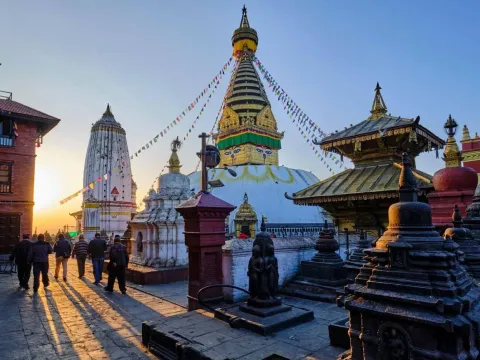
The 7 Days Kathmandu Valley Trek with Trail Mania Trek is a perfect short trekking adventure that combines Himalayan scenery, cultural exploration, traditional villages, and peaceful nature trails without requiring a long and physically demanding mountain expedition. This trek takes you through the beautiful hills surrounding Kathmandu Valley, offering magnificent views of the Langtang, Ganesh Himal, Dorje Lakpa, and other Himalayan ranges while allowing you to experience the authentic lifestyle of local communities.Unlike remote high-altitude treks, the Kathmandu Valley Trek provides an ideal introduction to Nepal’s natural beauty and cultural heritage. The journey begins from Kathmandu and gradually leads you through the peaceful forests of Shivapuri Nagarjun National Park, the scenic hill station of Chisapani, the famous viewpoint of Nagarkot, the ancient Changunarayan Temple, and the spiritual destination of Namobuddha Monastery before returning to Kathmandu.Throughout the trek, Trail Mania Trek ensures a comfortable and memorable experience with professional guidance, proper arrangements, and local knowledge. The route offers a wonderful balance between adventure and relaxation, making it suitable for families, beginners, cultural travelers, and those with limited time in Nepal.Scenic Himalayan sunrise and sunset views from Chisapani and NagarkotPeaceful hiking trails through forests, farmland, and traditional villagesExploration of Shivapuri Nagarjun National ParkCultural experience with local communities and rural lifestylesVisit to the UNESCO World Heritage Site Changunarayan TempleSpiritual experience at Namobuddha Buddhist MonasteryExploration of Kathmandu Valley’s historic landmarksComfortable trekking experience near the capital cityThe 7 Days Kathmandu Valley Trek is an excellent choice for travelers who want to discover the beauty of Nepal beyond the busy city while enjoying nature, culture, and Himalayan views in a short but rewarding journey.Best Season for 7 Days Kathmandu Valley TrekThe 7 Days Kathmandu Valley Trek with Trail Mania Trek can be enjoyed throughout the year; however, choosing the right season can significantly improve your trekking experience. The best seasons for this trek are spring (March to May) and autumn (September to November) because these months provide clear mountain views, pleasant temperatures, and excellent walking conditions.During spring, the hills surrounding Kathmandu Valley become colorful with blooming rhododendron flowers, fresh greenery, and pleasant weather. The temperature remains comfortable for hiking, and the clear mornings often provide beautiful views of the Himalayan peaks. Spring is also a great time for photography and nature lovers who want to experience Nepal’s natural beauty.Autumn is considered the best trekking season in Nepal due to stable weather conditions and crystal-clear mountain views. The skies are generally clear, and the visibility of the Himalayan ranges from Chisapani and Nagarkot is excellent. The pleasant climate makes walking easier and allows trekkers to fully enjoy the cultural and natural attractions along the route.Winter and monsoon seasons also offer unique experiences. Winter (December to February) provides peaceful trails, fewer crowds, and excellent sunrise views, although mornings and evenings can be cold. The monsoon season (June to August) brings green landscapes and fresh surroundings, but occasional rain may make some trails slippery.Recommended Seasons:Spring (March–May): Best for flowers, greenery, and comfortable weatherAutumn (September–November): Best for clear Himalayan views and trekking conditionsWinter (December–February): Best for peaceful trails and fewer visitorsMonsoon (June–August): Best for lush landscapes and nature photographyTrail Mania Trek provides seasonal trekking advice and proper preparation guidance to ensure that every traveler enjoys a safe and comfortable Kathmandu Valley adventure.Food and Accommodation for 7 Days Kathmandu Valley TrekDuring the 7 Days Kathmandu Valley Trek, Trail Mania Trek focuses on providing comfortable accommodation and hygienic meals to make your journey enjoyable and relaxing. Since this trek passes through accessible areas around Kathmandu Valley, trekkers can experience a combination of local mountain hospitality and comfortable city-based facilities.During the trekking days, accommodation is arranged in locally operated lodges and guesthouses in places such as Chisapani, Nagarkot, and Namobuddha. These lodges provide clean rooms, comfortable beds, and basic facilities while allowing travelers to experience the warm hospitality of local communities. Staying in traditional lodges also provides an opportunity to interact with local people and learn more about village life.Food along the trekking route includes a variety of nutritious meals designed to provide enough energy for daily hiking. Traditional Nepali dishes such as dal bhat (rice, lentils, and vegetables) are commonly available, along with other options like noodles, soups, bread, eggs, vegetables, and simple continental meals.In Kathmandu, accommodation is arranged in a comfortable hotel according to the trekking package. Before and after the trek, travelers can enjoy modern facilities, restaurants, and easy access to cultural attractions.Food and Accommodation Features:Comfortable hotel stay in KathmanduClean local lodges and guesthouses during trekkingTraditional Nepali meals and international food optionsFresh and hygienic meals throughout the journeyWarm hospitality from local communitiesSafe and comfortable resting places after hikingTrail Mania Trek carefully selects accommodations and meal arrangements to provide a pleasant trekking experience while supporting local tourism and communities.Why Choose 7 Days Kathmandu Valley Trek?The 7 Days Kathmandu Valley Trek with Trail Mania Trek is an ideal trekking package for travelers who want to experience Nepal’s Himalayan beauty, culture, and rural lifestyle within a short period. This trek offers the perfect combination of adventure and comfort, making it suitable for beginners, families, couples, and experienced travelers looking for a relaxing Himalayan escape.One of the biggest advantages of this trek is its accessibility. You do not need to travel to remote mountain regions or spend many days at high altitudes to enjoy spectacular Himalayan scenery. Within a short distance from Kathmandu, you can experience peaceful forests, mountain viewpoints, traditional villages, ancient temples, and Buddhist monasteries.Trail Mania Trek provides professional service, experienced guides, and carefully planned itineraries to ensure a safe and enjoyable journey. Our local team understands the trekking routes, culture, and environment of Nepal, allowing travelers to experience the destination in a meaningful and authentic way.Reasons to Choose This Trek:Short and easy trekking adventure near KathmanduSuitable for beginners and all age groupsAmazing Himalayan views from Chisapani and NagarkotA combination of nature, culture, and spiritualityOpportunity to explore UNESCO World Heritage SitesExperience authentic village life and local traditionsProfessional guides and personalized trekking servicesFlexible itinerary options with Trail Mania TrekThe Kathmandu Valley Trek is more than just a hiking journey; it is an opportunity to discover Nepal’s hidden beauty, ancient heritage, and peaceful landscapes. With Trail Mania Trek, travelers can enjoy a well-organized and unforgettable Himalayan experience filled with adventure, culture, and lifelong memories.
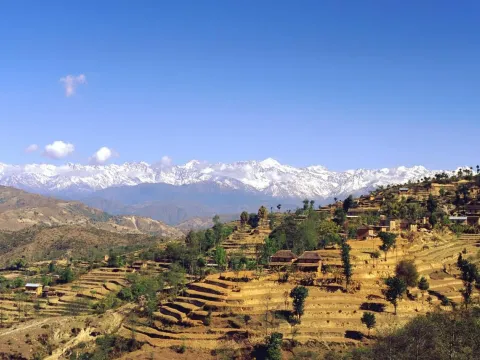
The 5-Day Kathmandu Valley Trek is a short yet unforgettable trekking experience that combines Himalayan views, natural beauty, traditional villages, and ancient cultural heritage around the Kathmandu Valley. This trek is an ideal choice for travelers who want to experience the charm of Nepal without committing to a long and challenging mountain expedition. Organized by Trail Mania Trek, this journey offers a perfect blend of adventure, relaxation, and cultural exploration while remaining close to Kathmandu.The trek begins with a scenic drive from Kathmandu to Sundarijal, followed by a beautiful hike through the protected forests of Shivapuri Nagarjun National Park. The trail gradually climbs through peaceful villages, terraced farmlands, waterfalls, and lush green forests before reaching Chisapani, one of the best viewpoints near Kathmandu. From Chisapani, trekkers can enjoy breathtaking Himalayan panoramas, including views of the Langtang range, Ganesh Himal, and other surrounding peaks.The second major section of the trek connects Chisapani with Nagarkot, a famous hill station known for its sunrise and sunset views over the Himalayas. The trail passes through quiet countryside settlements where trekkers can experience authentic rural lifestyles, local traditions, and warm hospitality from Nepalese communities. The final day of trekking leads to Changunarayan Temple, a UNESCO World Heritage Site, followed by an exploration of Bhaktapur Durbar Square before returning to Kathmandu.Scenic hiking routes near Kathmandu with spectacular Himalayan viewsWalking through Shivapuri Nagarjun National Park’s beautiful forestsSunrise and sunset views from Chisapani and NagarkotExploration of traditional villages and local lifestylesVisit to Changunarayan Temple, Nepal’s ancient UNESCO World Heritage SiteCultural tour of historic Bhaktapur Durbar SquareComfortable trekking experience suitable for beginners and familiesPerfect combination of nature, culture, and adventureBest Season for 5 Days Kathmandu Valley TrekThe 5 Days Kathmandu Valley Trek can be enjoyed throughout most of the year, but the best seasons are spring (March to May) and autumn (September to November). During these periods, the weather remains stable, skies are generally clear, and the Himalayan views are at their best. The pleasant temperatures make hiking comfortable, while the surrounding hills become colorful with blooming flowers and fresh vegetation.Autumn is considered the most popular season for this trek because of excellent visibility and dry weather conditions. After the monsoon season, the atmosphere becomes clear, offering magnificent views of snow-covered mountain ranges from Chisapani and Nagarkot. The trails are also in good condition, making it an enjoyable time for photography, sightseeing, and outdoor activities.Spring is another wonderful season for the Kathmandu Valley Trek. The hills are covered with blooming rhododendron flowers, Nepal’s national flower, creating beautiful landscapes along the trekking route. The moderate temperature and vibrant natural scenery make spring an excellent choice for travelers who enjoy nature and peaceful walking trails.Winter (December to February) is also possible for this trek, especially for those who enjoy quiet trails and clear mountain views. However, mornings and evenings can be cold at higher elevations like Chisapani and Nagarkot. The monsoon season (June to August) brings rainfall, making some trails muddy and reducing mountain visibility, although the valley remains green and beautiful.Best Time Summary:Spring (March–May): Best for flowers, pleasant weather, and nature loversAutumn (September–November): Best overall season with clear mountain viewsWinter (December–February): Suitable for peaceful trekking and fewer crowdsMonsoon (June–August): Possible but less recommended due to rain and cloudy viewsFood and Accommodation for 5 Days Kathmandu Valley TrekDuring the 5-Day Kathmandu Valley Trek, Trail Mania Trek ensures that trekkers receive comfortable accommodation and nutritious meals throughout the journey. Since this trek takes place around the Kathmandu Valley, accommodation facilities are easily available compared to remote Himalayan trekking regions. Travelers will stay in comfortable hotels in Kathmandu and Nagarkot, while local guesthouses or lodges will be arranged in Chisapani.The trekking lodges provide a warm and welcoming environment where guests can rest after a day of hiking. Rooms are generally clean and comfortable, with basic facilities such as beds, blankets, and shared or private bathrooms depending on availability. Staying in local lodges also provides an opportunity to experience Nepalese hospitality and interact with local communities.Food during the trek is simple, fresh, and energizing to support daily walking activities. Most lodges offer traditional Nepalese meals along with common international options. A balanced diet helps maintain energy levels throughout the trekking journey.Food options include:Traditional Nepali Dal Bhat (rice, lentils, vegetables, and curry)Tibetan-style dishes such as noodles and soupsMomos (Nepalese dumplings)Pasta, rice dishes, and seasonal vegetablesBreakfast options like eggs, bread, pancakes, porridge, and tea/coffeeFresh fruits and snacks when availableAccommodation includes:Comfortable hotel stay in KathmanduLodge accommodation in Chisapani and NagarkotClean and safe resting places after trekkingWarm local hospitality and cultural interactionBasic facilities suitable for a short valley trekTrail Mania Trek carefully selects accommodations and meal arrangements to provide a comfortable trekking experience while allowing travelers to enjoy the authentic atmosphere of Nepal’s countryside.Why Choose 5 Days Kathmandu Valley TrekThe 5 Days Kathmandu Valley Trek is one of the best short trekking options in Nepal for travelers who want to experience Himalayan landscapes, local culture, and natural beauty within a limited time frame. Unlike longer high-altitude treks, this journey does not require extreme physical preparation or long acclimatization periods, making it suitable for beginners, families, and travelers with limited vacation time.This trek offers a unique opportunity to explore the hidden beauty surrounding Nepal’s capital city. Within just five days, trekkers can walk through peaceful forests, traditional villages, and scenic hill trails while enjoying panoramic views of the Himalayan mountains. The combination of adventure and cultural exploration makes this trek a complete Nepal experience.Trail Mania Trek provides professional service, experienced guides, and well-planned itineraries to ensure a safe and enjoyable journey. The team focuses on providing personalized attention, comfortable arrangements, and memorable experiences for every traveler.Reasons to Choose Kathmandu Valley Trek with Trail Mania Trek:Short and easy-to-moderate trekking experience near KathmanduNo high-altitude trekking challenges or complicated preparation requiredStunning Himalayan views from Chisapani and NagarkotOpportunity to experience authentic village life and local cultureCombination of trekking, sightseeing, and UNESCO heritage explorationIdeal for beginners, families, couples, and solo travelersProfessional guides and reliable services from Trail Mania TrekPerfect option for travelers with limited time in NepalThe 5 Days Kathmandu Valley Trek with Trail Mania Trek provides an excellent introduction to Nepal’s natural and cultural wonders. It creates lifelong memories through scenic mountain views, peaceful trails, historical landmarks, and meaningful interactions with local communities.
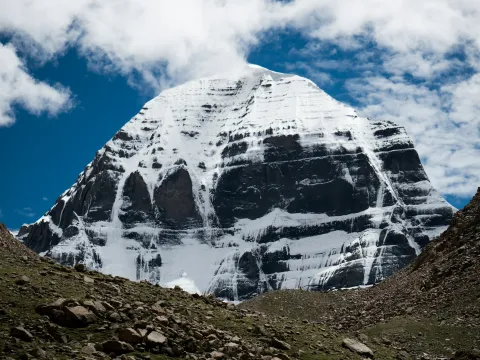
The Kailash Mansarovar Overland Tour is one of the world's most sacred and spiritually rewarding pilgrimage journeys, taking travelers to the holy Mount Kailash and the pristine Lake Mansarovar in western Tibet. Revered by followers of Hinduism, Buddhism, Jainism, and Bon, this extraordinary pilgrimage offers a rare opportunity to experience profound spirituality while exploring the breathtaking landscapes of the Tibetan Plateau. Beginning in Kathmandu, Nepal, the journey follows a scenic overland route through Rasuwagadhi and Kyirong before reaching the sacred destinations of Lake Mansarovar and Mount Kailash.The tour combines cultural exploration, spiritual devotion, and Himalayan adventure. Pilgrims have the opportunity to perform holy rituals at Lake Mansarovar, complete the sacred Kailash Kora (circumambulation), visit ancient monasteries, and witness magnificent Himalayan scenery. Throughout the journey, travelers experience traditional Tibetan culture, peaceful mountain villages, vast grasslands, and dramatic snow-covered peaks. Every day presents unforgettable landscapes and meaningful spiritual moments that leave a lasting impression.Trail Mania Trek carefully manages every aspect of the pilgrimage, including transportation, permits, experienced guides, accommodation, and logistical support. Our professional team ensures a safe, comfortable, and well-organized experience while allowing pilgrims to focus on the spiritual significance of the journey. Proper acclimatization days are included to help travelers adjust to high altitude and complete the pilgrimage comfortably.Whether you seek religious fulfillment, cultural discovery, or an unforgettable Himalayan adventure, the Kailash Mansarovar Overland Tour offers a once-in-a-lifetime experience filled with devotion, natural beauty, and personal reflection.Sacred pilgrimage to Mount Kailash and Lake MansarovarScenic overland journey from Kathmandu to TibetHoly bath and spiritual rituals at Lake MansarovarComplete the famous three-day Kailash KoraCross the spectacular Dolma La Pass (5,630m)Visit ancient Tibetan monasteriesExperience Tibetan culture and traditionsBeautiful Himalayan landscapes and Tibetan PlateauComfortable itinerary with acclimatization daysProfessional organization by Trail Mania TrekBest Season for Kailash Mansarovar Overland TourChoosing the right season is essential for a successful and enjoyable Kailash Mansarovar Overland Tour. The best time to undertake this sacred pilgrimage is from May to September, when weather conditions are generally favorable, mountain roads remain accessible, and temperatures are relatively comfortable for high-altitude travel. During these months, pilgrims enjoy clearer skies, spectacular Himalayan views, and safer trekking conditions for the Kailash Kora.Spring (May and June) is considered one of the finest seasons because the weather is stable, landscapes become greener near Nepal, and visibility is excellent throughout Tibet. Summer (July and August) brings slightly warmer temperatures, although occasional rainfall may occur on the Nepal side. In Tibet, rainfall remains relatively low due to the rain-shadow effect of the Himalayas. Autumn (September) offers crisp weather, clear mountain views, and comfortable temperatures, making it another ideal period for the pilgrimage.Trail Mania Trek carefully schedules departures during the most suitable travel seasons to maximize safety, comfort, and overall experience. Regardless of the season, temperatures at high elevations can change rapidly, especially around Dolma La Pass. Travelers should always carry warm clothing, waterproof layers, sunglasses, sunscreen, and proper trekking gear to remain comfortable throughout the journey.The sacred Saga Dawa Festival, usually celebrated in May or June according to the Tibetan lunar calendar, is another special time to visit Mount Kailash. During this festival, thousands of pilgrims gather to celebrate one of Tibet's most important religious events, creating a unique spiritual atmosphere around the holy mountain.Best Travel MonthsMay – Excellent weather and clear skiesJune – Ideal trekking conditionsJuly – Pleasant temperatures in TibetAugust – Good visibility with occasional rain in NepalSeptember – Stable weather and beautiful mountain sceneryKailash Mansarovar Overland Tour Difficulty and TransportationThe Kailash Mansarovar Overland Tour is considered a moderately challenging to strenuous pilgrimage due primarily to its high altitude rather than technical trekking difficulty. Travelers spend several days above 4,000 meters, while the highest point, Dolma La Pass, reaches approximately 5,630 meters. Proper acclimatization, slow walking, adequate hydration, and good physical fitness significantly improve the chances of completing the pilgrimage comfortably.Although the daily trekking distances are manageable, the reduced oxygen level at high altitude makes the journey physically demanding. The three-day Kailash Kora requires endurance, determination, and careful pacing. Trail Mania Trek designs the itinerary with gradual altitude gain and rest periods to minimize the risk of altitude sickness while providing experienced guides who closely monitor travelers throughout the expedition.Transportation during the tour is comfortable and well organized. Travelers journey from Kathmandu to the Nepal-Tibet border by private tourist vehicle before continuing across Tibet in comfortable, well-maintained land cruisers, jeeps, or tourist buses, depending on group size. The roads across Tibet are generally wide and scenic, allowing travelers to enjoy panoramic views of rivers, grasslands, glaciers, and the vast Tibetan Plateau.Trail Mania Trek ensures reliable transportation, experienced local drivers, and efficient logistical arrangements from arrival in Kathmandu until final departure. Every stage of the overland journey is carefully planned to maximize comfort, safety, and overall travel experience.Difficulty & TransportationModerate to challenging high-altitude pilgrimageMaximum elevation: 5,630 metersThree-day Kailash Kora trekComfortable private vehicles in NepalTourist buses or Land Cruisers in TibetExperienced drivers and professional guidesAcclimatization included for safer travelFood and Accommodation for Kailash Mansarovar Overland TourDuring the Kailash Mansarovar Overland Tour, travelers enjoy comfortable accommodation and nutritious meals appropriate for the remote Himalayan environment. In Kathmandu, guests stay in quality hotels with modern amenities, comfortable rooms, private bathrooms, Wi-Fi, and excellent hospitality. These hotels provide a relaxing environment before and after the pilgrimage.Accommodation in Tibet is simpler but clean and comfortable considering the remote location. Travelers stay in guesthouses or local lodges in places such as Kyirong, Saga, Darchen, Diraphuk, and Zuthulphuk. Facilities become more basic near Mount Kailash, particularly during the Kailash Kora, where shared rooms and limited services are common. Despite the simplicity, these accommodations provide the essential comfort needed for high-altitude travel.Meals throughout the journey include a combination of Tibetan, Chinese, Nepalese, and basic international cuisine. Breakfast generally consists of bread, eggs, porridge, tea, or coffee, while lunch and dinner often feature rice, noodles, soup, vegetables, potatoes, fried rice, dal, seasonal vegetables, and meat options where available. Vegetarian meals are widely available and recommended for many pilgrims.Trail Mania Trek carefully selects accommodations and dining facilities that prioritize hygiene, comfort, and reliable service throughout the pilgrimage. Our experienced team also advises travelers to stay well hydrated and consume light, nutritious meals to maintain energy at high altitude.Food & AccommodationComfortable hotels in KathmanduGuesthouses and lodges in TibetShared accommodation during Kailash KoraNepalese, Tibetan, Chinese, and international mealsVegetarian options availableHygienic dining arrangementsSafe drinking water guidance providedKailash Mansarovar Overland Tour PermitsTraveling to Mount Kailash and Lake Mansarovar requires several official permits issued by both the Nepalese and Chinese authorities. Since western Tibet is a restricted region, independent travel is not permitted, and all visitors must travel through a registered tour operator with authorized documentation. Obtaining these permits involves careful planning, document verification, and coordination with government agencies.The required documents generally include a valid passport, Chinese Group Visa, Tibet Travel Permit, Alien Travel Permit, and Military Permit where applicable. Permit regulations may change depending on government policies, nationality, and travel conditions, making professional assistance extremely important. Travelers should ensure their passports remain valid for at least six months beyond the travel date.Trail Mania Trek handles the complete permit process on behalf of our clients, ensuring all necessary documentation is prepared accurately and submitted on time. Our experienced operations team coordinates with the relevant authorities in Nepal and Tibet, allowing travelers to focus entirely on their pilgrimage without administrative concerns.To avoid delays, travelers are advised to submit passport copies, photographs, and required documents well in advance of departure. Early preparation helps ensure smooth border crossings and timely permit approvals.Required PermitsValid passportChinese Group VisaTibet Travel PermitAlien Travel PermitMilitary Permit (when required)Border immigration documentationPermit processing managed by Trail Mania TrekWhy Choose Kailash Mansarovar Overland TourThe Kailash Mansarovar Overland Tour is much more than a sightseeing holiday—it is a deeply meaningful spiritual pilgrimage that inspires devotion, self-discovery, and inner peace. Every stage of the journey offers breathtaking Himalayan landscapes, sacred monasteries, peaceful Tibetan villages, and unforgettable moments beside the holy waters of Lake Mansarovar and the majestic Mount Kailash. Completing the sacred Kailash Kora is regarded as one of the greatest religious achievements for countless pilgrims from around the world.Choosing Trail Mania Trek means traveling with a trusted and experienced Himalayan operator dedicated to providing safe, comfortable, and professionally organized pilgrimages. Our knowledgeable guides, reliable transportation, carefully planned acclimatization schedule, quality accommodation, and personalized service ensure every traveler receives exceptional support from arrival in Kathmandu until final departure. We prioritize safety, comfort, and authentic cultural experiences while maintaining the highest standards of customer care.With years of experience operating pilgrimage tours in Nepal and Tibet, Trail Mania Trek understands the unique requirements of high-altitude travel. Our team handles permits, border formalities, accommodation, meals, logistics, and emergency support, allowing pilgrims to fully concentrate on the spiritual purpose of their journey. We are committed to making every Kailash Mansarovar pilgrimage memorable, meaningful, and hassle-free.Whether your goal is religious devotion, cultural exploration, or experiencing one of the world's most remarkable mountain landscapes, Trail Mania Trek is your reliable partner for a once-in-a-lifetime Himalayan pilgrimage.Why Travel with Trail Mania TrekExperienced Kailash pilgrimage specialistsComplete permit and visa assistanceProfessional Nepali and Tibetan guidesComfortable transportation and accommodationCarefully designed acclimatization itineraryReliable safety and emergency supportTransparent pricing with excellent servicePersonalized customer careWell-organized logistics throughout the journeyTrusted Himalayan travel company
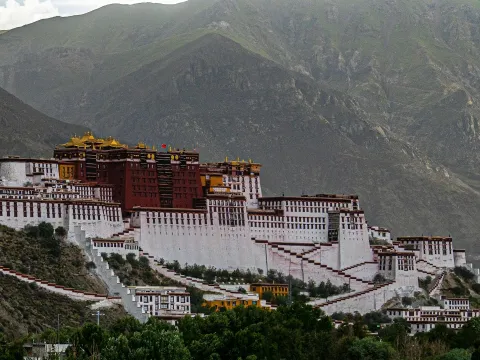
The Tibet Lhasa Tour is one of the most rewarding Himalayan journeys, combining breathtaking mountain scenery with centuries-old Buddhist culture, sacred monasteries, and remarkable historical landmarks. Carefully designed by Trail Mania Trek, this 8-day adventure begins in Kathmandu, Nepal, where travelers discover UNESCO World Heritage Sites before boarding a spectacular Himalayan flight to Lhasa, the spiritual heart of Tibet. During the flight, weather permitting, passengers can admire panoramic views of the world's highest mountains, including Mount Everest, Makalu, Cho Oyu, and Shishapangma, making the journey itself an unforgettable experience.Upon arriving in Lhasa, visitors gradually acclimatize to the high altitude before exploring Tibet's most iconic cultural attractions. The journey includes guided visits to the magnificent Potala Palace, the sacred Jokhang Temple, the bustling Barkhor Street, Drepung Monastery, and the famous Sera Monastery, where visitors witness the fascinating traditional monk debate sessions. Every destination introduces travelers to the rich traditions of Tibetan Buddhism, unique architecture, colorful prayer flags, ancient murals, and warm local hospitality that have been preserved for centuries.In addition to exploring Tibet, the itinerary includes comprehensive sightseeing in Kathmandu Valley, where travelers visit historic temples, medieval cities, royal palaces, and sacred Buddhist stupas. This combination of Nepalese and Tibetan heritage creates an exceptional cultural journey unlike any other in the Himalayas. Throughout the trip, Trail Mania Trek manages transportation, accommodations, permits, experienced guides, and logistical arrangements, allowing guests to travel comfortably while focusing entirely on enjoying their adventure.Whether you are interested in photography, Buddhist culture, history, architecture, pilgrimage, or Himalayan landscapes, the Tibet Lhasa Tour offers something memorable for every traveler. With professional planning, comfortable hotels, knowledgeable local guides, and carefully arranged acclimatization, this tour provides a perfect introduction to one of the world's most extraordinary destinations.Explore UNESCO World Heritage Sites in Kathmandu.Scenic Himalayan flight between Kathmandu and Lhasa.Visit the iconic Potala Palace.Experience Jokhang Temple and Barkhor Street.Discover Drepung and Sera Monasteries.Witness traditional monk debate sessions.Learn about Tibetan Buddhist culture and history.Travel with experienced guides from Trail Mania Trek.Best Season for Tibet Lhasa TourChoosing the right season greatly enhances the overall experience of the Tibet Lhasa Tour, as weather conditions influence visibility, comfort, and sightseeing opportunities. Fortunately, Lhasa enjoys more sunshine than many Himalayan regions, making it suitable for travel during much of the year. Trail Mania Trek recommends planning your journey between April and June or September and October, when weather conditions are generally stable, skies remain clear, and mountain views are at their finest. During these months, temperatures are pleasant for sightseeing, photography, and walking through monasteries, temples, and local markets.Spring brings colorful blossoms, fresh mountain air, and comfortable daytime temperatures, making it an excellent period for exploring both Kathmandu Valley and Lhasa. Autumn offers crystal-clear skies following the monsoon season, providing exceptional visibility of the Himalayan peaks during flights between Nepal and Tibet. The comfortable climate also allows travelers to spend more time exploring outdoor attractions without experiencing excessive heat or cold.Summer, from July to August, remains a popular travel period despite occasional rainfall in Nepal. Tibet itself experiences relatively moderate weather, and lush green landscapes add beauty to the surrounding countryside. Winter, from November through February, is colder, especially during mornings and evenings, but offers peaceful monasteries, fewer tourists, and excellent opportunities for travelers seeking a quieter cultural experience.Regardless of the season, Trail Mania Trek carefully schedules sightseeing while considering local weather, altitude, and traveler comfort. Proper clothing, layered garments, sun protection, and hydration ensure visitors remain comfortable throughout the journey.Best Time SummarySpring (April–June): Pleasant weather and blooming landscapes.Autumn (September–October): Clear skies and outstanding mountain views.Summer (July–August): Green scenery with moderate weather.Winter (November–February): Fewer crowds and peaceful sightseeing.Ideal seasons for photography and cultural exploration.Comfortable climate for monastery and heritage visits.Tibet Lhasa Tour Difficulty and TransportationThe Tibet Lhasa Tour is considered an easy to moderate cultural tour, making it suitable for most travelers with average physical fitness. Unlike strenuous trekking adventures, this journey focuses primarily on sightseeing, historical exploration, and cultural experiences rather than long mountain hikes. However, because Lhasa sits at approximately 3,650 meters above sea level, travelers should prepare for the effects of high altitude. The itinerary designed by Trail Mania Trek includes sufficient acclimatization time immediately after arrival, helping guests adjust gradually before beginning full-day sightseeing.Visitors should walk slowly, stay hydrated, avoid strenuous activities during the first day in Lhasa, and follow their guide's recommendations regarding altitude awareness. Most sightseeing involves walking through monasteries, palace staircases, temple courtyards, and traditional streets. Although some attractions require climbing stairs, the pace remains comfortable, allowing participants of various age groups to enjoy the journey.Transportation throughout the tour is carefully organized for maximum comfort and convenience. Internationally recognized flights connect Kathmandu and Lhasa, offering spectacular Himalayan panoramas. Upon arrival, comfortable private tourist vehicles provide transfers between airports, hotels, monasteries, heritage sites, and sightseeing destinations. Experienced local drivers ensure safe travel while knowledgeable guides explain the cultural significance of each attraction throughout the journey.By handling all transportation logistics, airport transfers, domestic arrangements, and guided sightseeing, Trail Mania Trek allows travelers to enjoy a smooth and worry-free experience from arrival until departure. Comfortable hotels, reliable vehicles, and professional coordination contribute significantly to the overall enjoyment of the tour.Difficulty & TransportationEasy to moderate cultural tour.Suitable for most healthy travelers.High altitude requires gradual acclimatization.Scenic Kathmandu–Lhasa flights.Comfortable private tourist vehicles.Professional drivers and experienced guides.Well-planned daily sightseeing schedule.Food and Accommodation for Tibet Lhasa TourComfortable accommodation and satisfying meals play an important role in making the Tibet Lhasa Tour enjoyable and relaxing. Throughout the journey, Trail Mania Trek arranges carefully selected hotels that provide clean rooms, modern amenities, private bathrooms, comfortable beds, and welcoming hospitality. In Kathmandu, travelers stay in well-located hotels close to major attractions and shopping areas, while accommodations in Lhasa offer convenient access to important cultural landmarks and sightseeing destinations.Hotels generally provide comfortable environments where guests can rest properly after each day's exploration. Many accommodations feature Wi-Fi, hot showers, heating facilities, restaurants, and helpful staff. After arriving in Lhasa, having a comfortable room is especially important for proper acclimatization before beginning sightseeing activities. Trail Mania Trek prioritizes reliable accommodations that combine convenience, cleanliness, and quality service.Food during the tour introduces travelers to both Nepalese and Tibetan culinary traditions alongside familiar international cuisine. Breakfast is usually served at the hotel, while lunch and dinner can be enjoyed at carefully selected local restaurants. Guests may sample authentic Tibetan dishes such as momo, thukpa, butter tea, and yak-based specialties, while also finding Chinese, Nepalese, Indian, and continental meal options. Vegetarian meals are widely available, and dietary preferences can often be accommodated with advance notice.Maintaining proper hydration and eating nutritious meals is especially important while traveling at higher elevations. The guides from Trail Mania Trek are always available to recommend hygienic restaurants and suitable food choices throughout the journey.Food & Accommodation FeaturesComfortable hotels with modern amenities.Private rooms with attached bathrooms.Daily hotel breakfast.Nepalese, Tibetan, Chinese, and international cuisine.Vegetarian options available.Hygienic restaurants throughout the tour.Excellent hospitality and convenient hotel locations.Tibet Lhasa Tour PermitsTraveling to Tibet requires several official permits issued by the Chinese authorities, making professional tour organization essential. One of the greatest advantages of booking with Trail Mania Trek is that the company manages the complete permit application process on behalf of travelers. This allows guests to focus on preparing for their adventure rather than navigating complicated administrative procedures.The most important travel document is the Tibet Travel Permit, which is mandatory for all foreign visitors entering Tibet. Depending on the itinerary, additional travel documents may also be required by regional authorities. Travelers are generally required to submit passport copies, valid Chinese visa documentation when applicable, and passport-sized photographs within the timeframe requested by the tour operator. Because permit processing requires official approval, early booking is strongly recommended.Permit regulations occasionally change according to government policies and seasonal travel requirements. The experienced team at Trail Mania Trek continuously monitors the latest regulations to ensure every traveler receives accurate information before departure. Their knowledgeable staff assists with document preparation, application procedures, and travel scheduling, reducing unnecessary delays or confusion.Having all required permits arranged in advance ensures a smooth arrival in Tibet and allows visitors to fully enjoy their cultural exploration without administrative concerns. Professional guidance throughout the process makes the entire experience more convenient, reliable, and stress-free.Permit InformationTibet Travel Permit is mandatory.Additional permits may apply depending on the route.Passport copy required.Early booking is highly recommended.Permit processing handled by Trail Mania Trek.Assistance with documentation and travel procedures.Updated guidance based on current regulations.Why Choose Tibet Lhasa TourThe Tibet Lhasa Tour offers a rare opportunity to experience one of the world's most fascinating spiritual destinations while combining the cultural treasures of both Nepal and Tibet in a single journey. From ancient monasteries and sacred temples to breathtaking Himalayan flights and vibrant traditional markets, every day introduces travelers to unforgettable landscapes, remarkable history, and authentic local traditions. This carefully designed itinerary balances sightseeing, cultural immersion, comfortable travel, and sufficient acclimatization, making it suitable for first-time visitors as well as experienced travelers.Choosing Trail Mania Trek means traveling with a professional team dedicated to providing excellent service, knowledgeable guides, reliable transportation, quality accommodations, and complete logistical support throughout the journey. Every aspect of the tour is carefully arranged, including airport transfers, sightseeing, permit assistance, accommodation reservations, and local guidance. This comprehensive approach allows guests to enjoy a seamless travel experience while learning about the remarkable heritage of Tibet from experienced professionals.Beyond sightseeing, the tour creates meaningful cultural connections through visits to active monasteries, opportunities to observe daily religious practices, interactions with local communities, and exploration of centuries-old pilgrimage routes. The combination of Nepal's UNESCO World Heritage Sites and Tibet's sacred landmarks makes this itinerary one of the most rewarding cultural experiences available in the Himalayas.Whether your interest lies in photography, Buddhist philosophy, Himalayan history, architecture, or spiritual discovery, the Tibet Lhasa Tour with Trail Mania Trek delivers unforgettable memories, exceptional service, and a truly enriching travel experience that will remain with you long after your journey has ended.Why Travel with Trail Mania TrekProfessionally organized itinerary.Experienced local guides.Complete permit assistance.Comfortable accommodations.Scenic Himalayan flights.Rich cultural and spiritual experiences.Reliable transportation and support.Personalized service from arrival to departure.Excellent value with seamless travel arrangements.
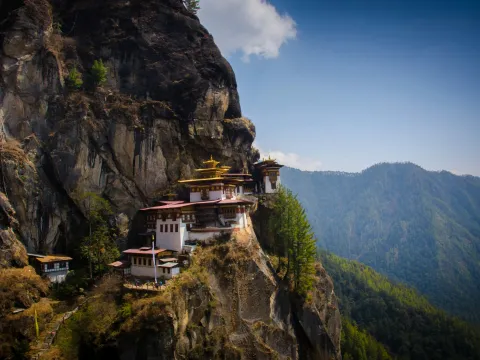
The Best Bhutan Tour with Trail Mania Trek is a carefully designed cultural and scenic journey that introduces travelers to the peaceful Himalayan kingdom of Bhutan. This tour combines the highlights of Bhutan with the cultural wonders of Kathmandu, Nepal, creating an unforgettable experience of ancient monasteries, traditional villages, breathtaking mountain landscapes, and unique Himalayan lifestyles. From the moment you arrive in Kathmandu until your departure, Trail Mania Trek ensures a comfortable, well-organized, and memorable travel experience.During this tour, you will explore Bhutan’s most famous destinations, including Thimphu, Punakha, and Paro. You will discover impressive landmarks such as Buddha Dordenma, Tashichho Dzong, Punakha Dzong, Rinpung Dzong, and the world-renowned Tiger’s Nest Monastery (Paro Taktsang). The journey offers a perfect combination of cultural exploration, natural beauty, spiritual discovery, and comfortable travel.Explore the cultural heritage of Kathmandu Valley and Bhutan.Experience scenic Himalayan flights between Kathmandu and Paro.Visit ancient dzongs, monasteries, temples, and local villages.Enjoy breathtaking views of Himalayan mountains and valleys.Discover Bhutanese traditions, art, architecture, and lifestyle.Hike to the iconic Tiger’s Nest Monastery.Best Season for Best Bhutan TourThe best time to enjoy the Best Bhutan Tour with Trail Mania Trek depends on your preferred travel experience, but spring and autumn are considered the most favorable seasons. During these periods, Bhutan offers pleasant weather, clear mountain views, colorful landscapes, and excellent conditions for sightseeing and outdoor activities.Spring (March to May) is a beautiful season when valleys become vibrant with blooming flowers, especially rhododendrons. The temperature remains comfortable, making it ideal for exploring monasteries, hiking to Tiger’s Nest, and enjoying Bhutan’s natural beauty. Autumn (September to November) is another excellent season with clear skies, fresh air, and stunning views of the Himalayan peaks.Best Seasons for the Bhutan Tour:Spring (March–May): Best for flowers, pleasant weather, and nature lovers.Autumn (September–November): Best for clear mountain views and photography.Winter (December–February): Suitable for travelers seeking fewer crowds and peaceful experiences.Summer (June–August): Offers lush green landscapes but may include rainfall.Best Bhutan Tour Difficulty and TransportationThe Best Bhutan Tour organized by Trail Mania Trek is considered an easy-to-moderate-level journey, suitable for travelers of different age groups with a reasonable level of fitness. Most activities include cultural sightseeing, short walks, and scenic drives. The main adventure activity is the hike to Tiger’s Nest Monastery, which requires a steady walk uphill but can be completed comfortably with proper preparation.Transportation throughout the tour is arranged for maximum comfort and safety. Private vehicles with experienced drivers are provided for airport transfers, sightseeing, and long-distance journeys between Bhutanese cities. The roads pass through beautiful mountain landscapes, allowing travelers to enjoy the natural scenery while traveling safely.Difficulty and Transportation Details:Tour difficulty: Easy to moderate.Tiger’s Nest hike: Moderate uphill walking experience.Suitable for families, couples, and cultural travelers.Comfortable private vehicle transportation throughout Bhutan.Experienced local drivers and guides provided.Scenic mountain roads with beautiful viewpoints.Food and Accommodation for Best Bhutan TourDuring the Best Bhutan Tour, Trail Mania Trek provides comfortable accommodation and enjoyable dining experiences throughout the journey. Travelers will stay in carefully selected hotels that offer clean rooms, modern facilities, and convenient locations. The accommodations are chosen to provide relaxation after sightseeing and mountain journeys.Bhutanese cuisine is an important part of the travel experience, offering unique flavors and traditional dishes. Travelers can enjoy local meals along with international food options available in hotels and restaurants. Popular Bhutanese dishes such as Ema Datshi, red rice, vegetables, and traditional delicacies allow visitors to experience the authentic taste of Bhutan.Food and Accommodation Features:Comfortable hotel stays in Kathmandu, Thimphu, Punakha, and Paro.Clean and cozy rooms with essential facilities.Breakfast and meals arranged according to the tour package.Opportunity to taste authentic Bhutanese cuisine.International and vegetarian food options available.Hygienic restaurants and dining facilities.Best Bhutan Tour PermitsTraveling to Bhutan requires special permits and official documentation, which are essential for entering different regions and visiting protected cultural sites. Trail Mania Trek manages the necessary Bhutan travel arrangements, helping guests enjoy a smooth and hassle-free journey. Our experienced team assists with required permits, flight arrangements, and travel documentation.Bhutan follows a regulated tourism system to protect its unique environment, culture, and traditions. With Trail Mania Trek, travelers receive professional guidance throughout the permit process, ensuring all requirements are completed before and during the trip.Permit and Documentation Support:Bhutan entry permits arranged through official procedures.Assistance with travel documents and required approvals.Support for sightseeing permits at restricted areas.Professional guidance from Trail Mania Trek’s experienced team.Smooth coordination between Nepal and Bhutan travel arrangements.Why Choose Best Bhutan TourChoosing the Best Bhutan Tour with Trail Mania Trek means experiencing Bhutan through a professionally organized and personalized travel program. Trail Mania Trek focuses on providing quality service, cultural authenticity, safety, and comfort throughout the journey. Our experienced guides and travel professionals ensure that every part of your Bhutan adventure is enjoyable and memorable.This tour is designed for travelers who want to discover Bhutan’s spiritual heritage, Himalayan landscapes, and traditional lifestyle without worrying about travel arrangements. From airport transfers and accommodation to sightseeing and local experiences, Trail Mania Trek takes care of every detail.Why Travel with Trail Mania Trek:Experienced Himalayan travel and trekking company.Well-planned Bhutan itinerary covering major attractions.Professional local guides and reliable transportation.Comfortable accommodation and personalized service.Focus on safety, quality, and customer satisfaction.Opportunity to experience authentic Bhutanese culture and nature.
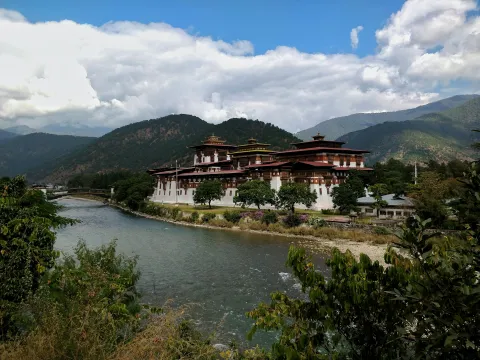
Bhutan Cultural Tour with Trail Mania Trek is a remarkable journey into the heart of the Himalayan kingdom, where ancient traditions, spiritual heritage, stunning landscapes, and warm Bhutanese hospitality come together. This carefully designed cultural experience takes you through the major highlights of Bhutan, including the charming capital city Thimphu, the historic valleys of Punakha and Trongsa, the peaceful Gangtey Valley, and the beautiful Paro Valley. Travelers get the opportunity to explore ancient dzongs, sacred monasteries, traditional villages, and important cultural landmarks while experiencing the authentic lifestyle of Bhutan.During this cultural tour, guests will visit iconic destinations such as Buddha Dordenma Statue, Punakha Dzong, Trongsa Dzong, Gangtey Monastery, Rinpung Dzong, Kyichu Lhakhang, and the world-famous Taktsang Monastery (Tiger’s Nest). The journey also includes scenic drives through Dochu La Pass, nature walks in Phobjikha Valley, and opportunities to interact with local communities. Trail Mania Trek ensures a comfortable and meaningful travel experience with professional guides, well-planned itineraries, and personalized services.Explore ancient Bhutanese monasteries, temples, and dzongs.Experience the unique Buddhist culture and traditions of Bhutan.Visit the legendary Taktsang Monastery (Tiger’s Nest).Enjoy breathtaking Himalayan landscapes and peaceful valleys.Discover traditional arts, crafts, architecture, and local lifestyles.Travel with experienced guides and reliable support from Trail Mania Trek.Best Season for Bhutan Cultural TourThe best season for Bhutan Cultural Tour is during spring (March to May) and autumn (September to November) when the weather is pleasant, skies are clear, and the Himalayan views are at their best. During spring, Bhutan’s valleys become colorful with blooming flowers, especially rhododendrons, making sightseeing and nature walks more enjoyable. Autumn is another ideal season because of stable weather, comfortable temperatures, and excellent visibility of the surrounding mountains.Winter and summer also have their own unique attractions. Winter (December to February) offers peaceful travel conditions, fewer visitors, and opportunities to witness black-necked cranes in Phobjikha Valley. Summer (June to August) brings lush green landscapes, although occasional rainfall may affect mountain roads. Trail Mania Trek can arrange Bhutan cultural journeys throughout the year according to your preferred travel style and interests.Best Time Features:Spring (March–May): Flowers, pleasant climate, and beautiful landscapes.Autumn (September–November): Clear mountain views and ideal trekking conditions.Winter (December–February): Peaceful atmosphere and crane-watching opportunities.Summer (June–August): Green valleys and fewer crowds.Bhutan Cultural Tour Difficulty and TransportationBhutan Cultural Tour by Trail Mania Trek is considered an easy-to-moderate-level journey suitable for travelers of different age groups who enjoy sightseeing, cultural exploration, and light walking activities. Most attractions are accessible by vehicle, but some locations require short hikes or walking on uneven paths. The famous Taktsang Monastery hike is the most challenging activity of the tour, requiring several hours of walking through mountain trails. Travelers with average fitness can complete this hike comfortably with proper pacing.Transportation during the tour is arranged through comfortable private vehicles with experienced drivers familiar with Bhutan’s mountain roads. The journey includes scenic drives through valleys, forests, and high mountain passes, allowing travelers to enjoy Bhutan’s natural beauty safely. Trail Mania Trek focuses on providing smooth transportation, flexible stops, and a comfortable travel experience throughout the journey.Difficulty and Transportation Details:Easy to moderate cultural tour suitable for most travelers.Short walks and optional hiking experiences included.Taktsang Monastery requires a moderate uphill hike.Comfortable private vehicles provided throughout the tour.Experienced drivers ensure safe mountain travel.Scenic road journeys with opportunities for photography.Food and Accommodation for Bhutan Cultural TourDuring the Bhutan Cultural Tour, Trail Mania Trek provides comfortable accommodation in carefully selected hotels and guesthouses that offer clean facilities, peaceful surroundings, and traditional Bhutanese hospitality. Accommodation is arranged in major destinations including Thimphu, Punakha, Trongsa, Gangtey, and Paro. Staying in local-style accommodations allows travelers to experience the warmth and simplicity of Bhutanese culture while enjoying modern comforts.Food during the tour includes a combination of authentic Bhutanese cuisine and international meals according to travelers’ preferences. Bhutanese dishes are known for their unique flavors, especially the famous chili and cheese dish called Ema Datshi. Fresh local ingredients, vegetarian options, and hygienic dining arrangements are available throughout the journey. Trail Mania Trek ensures that guests enjoy delicious meals while experiencing the local culinary traditions of Bhutan.Food and Accommodation Features:Comfortable hotels and traditional guesthouses.Clean rooms with essential modern facilities.Authentic Bhutanese meals and international cuisine options.Vegetarian and dietary preferences can be arranged.Opportunity to taste traditional dishes like Ema Datshi.Warm Bhutanese hospitality and peaceful environments.Bhutan Cultural Tour PermitsBhutan requires special travel permits and official documentation for international visitors, and Trail Mania Trek assists travelers throughout the permit process to ensure a smooth journey. Bhutan follows a regulated tourism system to protect its culture, environment, and traditions. Travelers must obtain necessary approvals before entering different regions, and all arrangements are handled according to Bhutanese tourism regulations.The required permits allow travelers to visit important cultural sites, protected areas, and different districts included in the itinerary. Trail Mania Trek manages the necessary paperwork, coordination, and travel arrangements so guests can focus on enjoying their cultural experience without unnecessary concerns.Permit Information:Bhutan entry approval is required for international travelers.Travel permits are arranged through authorized channels.Additional permits may be needed for certain districts and attractions.Trail Mania Trek assists with documentation and processing.All travel arrangements follow Bhutan tourism regulations.Why Choose Bhutan Cultural TourChoosing Bhutan Cultural Tour with Trail Mania Trek provides an opportunity to experience Bhutan beyond ordinary sightseeing. This journey combines cultural discovery, spiritual experiences, natural beauty, and authentic local interactions. From exploring ancient fortresses and monasteries to walking through peaceful villages and Himalayan landscapes, every moment offers a deeper understanding of Bhutan’s unique way of life.Trail Mania Trek is committed to delivering a safe, comfortable, and memorable travel experience through professional service and carefully planned itineraries. With experienced local guides, reliable transportation, quality accommodations, and personalized attention, travelers can explore Bhutan with confidence and comfort.Reasons to Choose Trail Mania Trek:Expertly designed Bhutan cultural itineraries.Experienced and knowledgeable local guides.Comfortable transportation and accommodation arrangements.Authentic cultural and spiritual experiences.Personalized service and professional support.Opportunity to explore Bhutan’s hidden beauty and traditions.Memorable Himalayan journey with trusted travel assistance.
Kanchenjunga North Base Camp Trek is one of Nepal’s most remote, adventurous, and rewarding Himalayan trekking experiences, taking you to the northern base camp of Mount Kanchenjunga (8,586m), the third-highest mountain in the world. Organized by Trail Mania Trek, this spectacular journey leads trekkers through the untouched landscapes of the Kanchenjunga Conservation Area, offering breathtaking views of glaciers, high mountain valleys, alpine forests, and traditional Himalayan villages. Unlike the more crowded trekking routes of Nepal, the Kanchenjunga region provides a peaceful wilderness experience where trekkers can enjoy authentic nature and local culture.The trek begins with a scenic flight from Kathmandu to Bhadrapur, followed by a beautiful drive through eastern Nepal to Taplejung, the gateway to the Kanchenjunga region. The trail passes through charming villages such as Chirwa, Amjilosa, Ghunsa, Kambachen, and Lhonak before reaching the magnificent Kanchenjunga North Base Camp, also known as Pangpema, at an altitude of 5,140 meters. Throughout the journey, trekkers experience diverse landscapes ranging from subtropical forests to high-altitude Himalayan wilderness.Visit the spectacular North Base Camp of Mount Kanchenjunga.Explore one of Nepal’s most remote and less crowded trekking regions.Experience authentic Limbu and Tibetan-influenced mountain cultures.Enjoy panoramic views of Kanchenjunga, Jannu, glaciers, and surrounding peaks.Trek through the protected Kanchenjunga Conservation Area.Discover traditional Himalayan villages and untouched natural beauty.Best Season for Kanchenjunga North Base Camp TrekChoosing the right season is essential for a successful and enjoyable Kanchenjunga North Base Camp Trek. The best seasons for this adventure are spring (March to May) and autumn (September to November) when the weather conditions are stable, skies are clear, and mountain views are at their best. During these months, trekkers can enjoy comfortable temperatures, excellent visibility, and safer trail conditions.Spring is especially attractive because the rhododendron forests bloom with colorful flowers, creating beautiful scenery throughout the lower trekking sections. Autumn is considered the most popular season because of clear skies, dry trails, and magnificent views of the Himalayan peaks. Trail Mania Trek recommends these seasons for trekkers who want the best combination of safety, comfort, and unforgettable mountain scenery.Winter and monsoon seasons are possible but more challenging due to extreme cold, heavy snowfall, slippery trails, and limited services in remote areas. Proper preparation and experienced guides are necessary for off-season trekking.Best trekking seasons:Spring (March–May): Best for blooming flowers, pleasant weather, and clear mountain views.Autumn (September–November): Ideal for stable weather and excellent Himalayan scenery.Winter (December–February): Possible for experienced trekkers with proper preparation.Monsoon (June–August): Less recommended due to rain and difficult trail conditions.Kanchenjunga North Base Camp Trekking Difficulty and TransportationKanchenjunga North Base Camp Trekking is considered a challenging high-altitude trek suitable for experienced trekkers and those with good physical fitness. The route involves long walking days, steep ascents and descents, rocky trails, remote landscapes, and high elevations above 5,000 meters. The highest point of the trek is Kanchenjunga North Base Camp (Pangpema) at 5,140 meters, where altitude awareness and proper acclimatization are extremely important.Trail Mania Trek carefully designs the itinerary with acclimatization days in Ghunsa and Kambachen to help trekkers adjust to the increasing altitude. Professional guides monitor your health, maintain a suitable walking pace, and provide safety support throughout the journey. Previous trekking experience is helpful, but determined trekkers with proper preparation can complete this adventure.Transportation for the trek includes domestic flights, private vehicles, and walking trails. The journey starts with a flight from Kathmandu to Bhadrapur, followed by a scenic drive to Taplejung. After completing the trek, transportation is arranged back through Taplejung and Bhadrapur before returning to Kathmandu.Difficulty and transportation details:Trek duration: Approximately 20 days including arrival and departure.Trek grade: Challenging/high-altitude adventure.Maximum altitude: 5,140m at Kanchenjunga North Base Camp.Transportation: Domestic flights and private jeep/car transfers.Requires good fitness, endurance, and proper acclimatization.Food and Accommodation for Kanchenjunga North Base Camp TrekDuring the Kanchenjunga North Base Camp Trek, Trail Mania Trek provides comfortable accommodation and nutritious meals according to the facilities available in this remote Himalayan region. Accommodation is mainly provided in local teahouses and lodges operated by mountain communities. These teahouses offer basic but comfortable rooms with warm hospitality, allowing trekkers to experience authentic Himalayan lifestyles.Meals during the trek are designed to provide enough energy for long trekking days. Local teahouses serve traditional Nepali dishes along with popular trekking meals such as dal bhat, noodles, soups, rice, vegetables, pasta, and simple breakfast options. Staying in remote areas means food choices become more limited at higher elevations, but Trail Mania Trek ensures proper meal arrangements to maintain your strength and comfort.Clean drinking water, hydration, and balanced nutrition are important during high-altitude trekking. Trekkers are advised to carry personal water bottles and use purification methods when required.Food and accommodation features:Comfortable teahouse and lodge accommodation.Traditional Nepali meals and international trekking food options.Warm hospitality from local mountain communities.Nutritious meals prepared for high-energy trekking.Basic facilities suitable for remote Himalayan conditions.Kanchenjunga North Base Camp Trekking PermitsKanchenjunga North Base Camp Trekking requires special permits because the region is a restricted and protected area of Nepal. Trail Mania Trek arranges all necessary permits and documentation before starting the trek, ensuring a smooth and hassle-free experience for trekkers.The main permits required are the Kanchenjunga Restricted Area Permit and the Kanchenjunga Conservation Area Permit. These permits help protect the natural environment, preserve local culture, and regulate trekking activities in this sensitive Himalayan region. Trekkers must also travel with a licensed guide because independent trekking is not permitted in the restricted Kanchenjunga area.Trail Mania Trek handles the complete permit process, allowing trekkers to focus on preparation and enjoying the adventure.Required permits include:Kanchenjunga Restricted Area Permit.Kanchenjunga Conservation Area Permit.Licensed trekking guide requirement.Official trekking documentation and registration.Permit arrangements managed by Trail Mania Trek.Why Choose Kanchenjunga North Base Camp TrekChoosing Kanchenjunga North Base Camp Trekking with Trail Mania Trek means experiencing one of Nepal’s most authentic Himalayan adventures with professional support and carefully planned services. This trek offers a rare combination of breathtaking mountain scenery, cultural discovery, remote wilderness, and personal achievement. The journey takes you away from crowded trekking routes and into one of the most beautiful and untouched regions of Nepal.Trail Mania Trek focuses on providing safe, comfortable, and memorable trekking experiences through experienced guides, proper planning, and responsible tourism practices. From airport arrival to final departure, the team manages transportation, permits, accommodation, meals, and trekking support to ensure a smooth adventure.Kanchenjunga North Base Camp Trek is not only about reaching a destination; it is about experiencing the beauty, culture, and challenges of the Himalayas. With Trail Mania Trek, trekkers can explore this incredible region with confidence and enjoy a once-in-a-lifetime journey.Reasons to choose this trek:Adventure in one of Nepal’s most remote Himalayan regions.Incredible views of Mount Kanchenjunga and surrounding peaks.Authentic cultural experiences with local communities.Professional guides and complete trekking support from Trail Mania Trek.Safe and well-planned itinerary with acclimatization days.Lifetime memories in the untouched eastern Himalayas.
The Kanchenjunga South Base Camp Trek is one of the most spectacular and less-explored trekking adventures in Nepal, offering an unforgettable journey to the southern base camp of Mount Kanchenjunga (8,586m), the third-highest mountain in the world. Organized by Trail Mania Trek, this trek takes you through the remote eastern Himalayas, where pristine landscapes, traditional villages, rich biodiversity, and breathtaking mountain views create a truly unique Himalayan experience.Unlike the crowded trekking routes of Nepal, the Kanchenjunga region provides a peaceful and authentic adventure. The trail passes through the Kanchenjunga Conservation Area, crossing beautiful forests, rivers, terraced fields, and high-altitude landscapes while allowing trekkers to experience the culture of local communities such as the Limbu, Rai, and Sherpa people.The journey begins with a scenic flight from Kathmandu to Bhadrapur, followed by a drive through the beautiful hills of eastern Nepal toward Taplejung. From Taplejung, the trekking route gradually climbs through villages like Lali Kharka, Khesewa, Yamphuding, Torongding, and Cheram before reaching Ramche and the magnificent Kanchenjunga South Base Camp.Explore the remote and untouched eastern Himalayan region.Reach Kanchenjunga South Base Camp at 4,730 meters.Enjoy breathtaking views of Mount Kanchenjunga and surrounding peaks.Experience authentic local culture and traditional mountain villages.Trek through diverse landscapes, from subtropical forests to alpine valleys.Discover rare Himalayan flora and wildlife inside the conservation area.Best Season for Kanchenjunga South Base Camp TrekChoosing the right season is essential for a safe and enjoyable Kanchenjunga South Base Camp Trek. The best times to complete this adventure are during spring (March to May) and autumn (September to November) when the weather conditions are stable, mountain views are clear, and trekking trails are in excellent condition.Spring is a beautiful season when rhododendron forests bloom with colorful flowers, creating stunning scenery along the trekking route. The temperature remains comfortable, and trekkers can enjoy clear views of Kanchenjunga and other Himalayan peaks while walking through vibrant landscapes.Autumn is considered the best trekking season in Nepal due to clear skies, excellent visibility, and pleasant temperatures. After the monsoon season, the mountains appear fresh and the trails become cleaner, making it an ideal period for reaching Kanchenjunga South Base Camp.Best Seasons for Trekking:Spring (March–May): Best for blooming forests, pleasant weather, and mountain views.Autumn (September–November): Best for clear skies and stable trekking conditions.Winter (December–February): Possible but colder with snowfall at higher elevations.Monsoon (June–August): Less recommended due to rain, slippery trails, and possible flight delays.Trail Mania Trek recommends planning your trek during spring or autumn for the best combination of safety, comfort, and Himalayan scenery.Kanchenjunga South Base Camp Trekking Difficulty and TransportationThe Kanchenjunga South Base Camp Trek is considered a challenging and adventurous trek suitable for trekkers with good physical fitness and previous hiking experience. The route covers long walking days, steep ascents and descents, remote terrain, and high-altitude sections above 4,000 meters. Proper preparation, gradual acclimatization, and a positive mindset are important for completing this Himalayan journey.The highest point of the trek is Kanchenjunga South Base Camp at 4,730 meters, where trekkers experience colder temperatures and thinner air. Trail Mania Trek provides experienced guides who help maintain a safe pace, manage altitude concerns, and support trekkers throughout the journey.Transportation for the trek includes domestic flights and scenic mountain drives. The adventure begins with a flight from Kathmandu to Bhadrapur, followed by a drive to Illam and Taplejung. After completing the trekking section, transportation is arranged from Ranipul to Phidim, followed by a drive to Bhadrapur and a flight back to Kathmandu.Difficulty and Transportation Information:Trek duration: Approximately 15 days.Trek grade: Challenging.Maximum altitude: 4,730 meters at Kanchenjunga South Base Camp.Requires good physical fitness and endurance.Transportation includes flights, private vehicles, and trekking routes.Experienced guides and support staff ensure a safe journey.Food and Accommodation for Kanchenjunga South Base Camp TrekDuring the Kanchenjunga South Base Camp Trek, Trail Mania Trek provides comfortable food and accommodation arrangements according to the facilities available in this remote Himalayan region. Since Kanchenjunga is a less-developed trekking area, accommodations are mainly traditional teahouses and local lodges that provide basic but comfortable facilities for trekkers.Meals during the trek include nutritious local and international dishes designed to provide enough energy for long trekking days. Typical meals include Nepali dal bhat, noodles, soups, vegetables, rice, bread, eggs, potatoes, and other simple mountain foods. Drinking water facilities are available, and trekkers are advised to use purification methods for safe hydration.The accommodation experience allows trekkers to connect with local communities and enjoy authentic mountain hospitality. Rooms are generally simple, with shared facilities in many locations, especially at higher elevations.Food and Accommodation Features:Comfortable hotel stay in Kathmandu and city areas.Local teahouse and lodge accommodation during trekking.Fresh and energy-rich meals throughout the journey.Traditional Nepali food and international meal options.Warm hospitality from local mountain communities.Basic facilities with a genuine Himalayan trekking experience.Kanchenjunga South Base Camp Trekking PermitsThe Kanchenjunga region is a protected and restricted trekking area of Nepal, so trekkers must obtain special permits before starting the journey. Trail Mania Trek manages all required documentation and permit arrangements to ensure a smooth trekking experience without unnecessary complications.The main permits required for this trek include the Kanchenjunga Restricted Area Permit and the Kanchenjunga Conservation Area Permit (KCAP). These permits help protect the natural environment, preserve local culture, and regulate tourism activities in this sensitive Himalayan region.Trekkers must travel with a registered trekking agency and a licensed guide because the Kanchenjunga area is classified as a restricted region. Trail Mania Trek handles the permit process, allowing guests to focus on enjoying the adventure.Required Trekking Permits:Kanchenjunga Restricted Area Permit.Kanchenjunga Conservation Area Permit.Licensed trekking guide requirement.Registered trekking agency support.Permit arrangements handled by Trail Mania Trek.Why Choose Kanchenjunga South Base Camp TrekThe Kanchenjunga South Base Camp Trek is an ideal choice for trekkers seeking a peaceful, authentic, and unforgettable Himalayan adventure away from crowded trekking routes. This journey offers a rare opportunity to explore one of Nepal’s most remote regions while experiencing incredible mountain scenery, diverse landscapes, and unique local cultures.With Trail Mania Trek, you receive professional planning, experienced guides, reliable transportation, comfortable arrangements, and personalized support throughout your adventure. The company focuses on providing safe, memorable, and responsible trekking experiences while respecting local communities and the natural environment.This trek is perfect for adventure lovers who want more than just mountain views. It combines challenging trails, cultural discovery, wildlife exploration, and the once-in-a-lifetime experience of standing near the majestic Kanchenjunga massif.Reasons to Choose Kanchenjunga South Base Camp Trek:Explore one of Nepal’s most remote and beautiful trekking regions.Experience the untouched beauty of eastern Nepal.Enjoy spectacular views of Mount Kanchenjunga.Discover unique Himalayan cultures and traditions.Trek with professional guides and support from Trail Mania Trek.Create lifelong memories in the heart of the Himalayas.
Makalu Base Camp Trek is one of the most spectacular and remote trekking adventures in Nepal, offering an unforgettable journey to the base of Mount Makalu (8,485m), the fifth-highest mountain in the world. Organized by Trail Mania Trek, this 20-day Himalayan adventure takes you through the untouched landscapes of the Makalu Barun National Park, where you can experience dramatic mountain scenery, diverse ecosystems, traditional villages, and authentic Himalayan culture.The trek begins with a scenic flight from Kathmandu to Tumlingtar, followed by a drive to Num, the starting point of the trekking route. The trail passes through beautiful villages such as Sedua and Tashi Gaon before entering the remote wilderness of the Makalu region. Trekkers gradually ascend through rhododendron forests, alpine meadows, rocky valleys, and high-altitude landscapes to reach Makalu Base Camp at 5,000 meters.During the journey, trekkers enjoy breathtaking views of Mount Makalu, Everest, Lhotse, Chamlang, Baruntse, and other Himalayan peaks. The trek also provides an opportunity to experience the lifestyle and traditions of local communities, including Sherpa and Rai cultures. With experienced guides, proper planning, and professional support, Trail Mania Trek ensures a safe and memorable Makalu Base Camp Trek experience.Scenic flight from Kathmandu to Tumlingtar with Himalayan viewsTrek through the protected Makalu Barun National ParkExplore remote villages and traditional Himalayan lifestylesExperience diverse landscapes from forests to glaciersReach the spectacular Makalu Base Camp at 5,000mEnjoy panoramic views of Mount Makalu and surrounding peaksBest Season for Makalu Base Camp TrekThe best seasons for the Makalu Base Camp Trek are spring (March to May) and autumn (September to November). During these months, the weather is generally stable, skies are clear, and the mountain views are at their best. These seasons provide ideal trekking conditions with comfortable temperatures, making the journey safer and more enjoyable.Spring is especially beautiful because the trails are decorated with blooming rhododendron flowers, Nepal’s national flower. The forests become colorful, and the surrounding landscapes look vibrant and refreshing. Autumn is another excellent season because of clear mountain visibility, dry trails, and pleasant weather conditions. Trekkers can enjoy uninterrupted views of Mount Makalu and other Himalayan peaks.Winter and monsoon seasons are less recommended for this trek due to challenging weather conditions. Winter brings extreme cold and snowfall at higher elevations, while monsoon causes slippery trails, rain, and possible flight delays. However, with proper preparation and experienced guidance from Trail Mania Trek, experienced trekkers may still complete the journey during less crowded periods.Best seasons for Makalu Base Camp Trek:Spring (March–May): Best for flowers, clear views, and comfortable weatherAutumn (September–November): Best for stable weather and mountain visibilityWinter (December–February): Possible but challenging due to cold conditionsMonsoon (June–August): Less recommended because of rain and muddy trailsMakalu Base Camp Trek Difficulty and TransportationMakalu Base Camp Trek is considered a challenging and adventurous high-altitude trek in Nepal. The route is remote, involves long walking days, steep ascents and descents, and reaches an elevation of 5,000 meters. Trekkers should have good physical fitness, previous trekking experience, and the ability to walk around 5–7 hours daily in mountain terrain.The trek requires proper acclimatization because of the significant altitude gain from lower hills to the high Himalayan region. Trail Mania Trek carefully designs the itinerary with acclimatization days, allowing trekkers to adjust gradually and reduce the risk of altitude-related problems. Experienced guides provide support, safety information, and assistance throughout the journey.Transportation for the Makalu Base Camp Trek includes a scenic domestic flight from Kathmandu to Tumlingtar and a drive to Num, the trek starting point. After completing the trek, trekkers return from Tumlingtar to Kathmandu by flight. The combination of flights and mountain road transportation makes the journey efficient while providing amazing views of eastern Nepal.Difficulty and transportation points:Challenging trek suitable for physically fit trekkersMaximum elevation: Makalu Base Camp (5,000m)Daily walking duration: approximately 5–7 hoursRequires proper acclimatization and preparationKathmandu–Tumlingtar–Kathmandu scenic flightsJeep or local vehicle transportation between Tumlingtar and NumFood and Accommodation for Makalu Base Camp TrekDuring the Makalu Base Camp Trek, food and accommodation are arranged according to the remote nature of the region. Trail Mania Trek provides carefully planned meals to maintain energy throughout the journey. Trekkers can enjoy traditional Nepali dishes, Tibetan-inspired foods, and common trekking meals such as rice, noodles, pasta, soups, vegetables, eggs, and other simple but nutritious options.Meals are prepared by experienced trekking cooks using locally available ingredients. Staying hydrated and maintaining proper nutrition are important during high-altitude trekking, and the Trail Mania Trek team ensures that trekkers receive warm and healthy meals throughout the route. Vegetarian and special dietary requirements can usually be managed with advance notice.Accommodation during the trek includes comfortable hotels in Kathmandu and basic teahouses or camping arrangements in remote sections. Lower villages generally have teahouses offering rooms with basic facilities, while higher areas may require camping due to limited infrastructure. Trail Mania Trek provides necessary camping support, including tents, dining arrangements, and trekking equipment when required.Food and accommodation highlights:Authentic Nepali and international trekking mealsNutritious food prepared for high-altitude conditionsHotel accommodation in KathmanduTeahouse stays in villages where availableCamping support in remote mountain areasProfessional trekking crew assistance throughout the routeMakalu Base Camp Trekking PermitsMakalu Base Camp Trek requires several official permits because the route passes through protected and restricted areas of Nepal. Trail Mania Trek manages the necessary documentation and permit arrangements to ensure a smooth trekking experience. Having the correct permits is essential for legal entry into conservation areas and helps support environmental protection and local development.The major permits required for this trek include the Makalu Barun National Park Entry Permit and the Trekkers’ Information Management System (TIMS) Card. These permits help authorities monitor trekkers, maintain safety records, and protect the natural environment of the region.Since the Makalu region is a remote conservation area with unique biodiversity, permit fees also contribute to preserving forests, wildlife, and local communities. Trail Mania Trek assists trekkers with all permit procedures, allowing them to focus on enjoying the adventure without unnecessary concerns.Required permits for Makalu Base Camp Trek:Makalu Barun National Park Entry PermitTIMS (Trekkers’ Information Management System) CardNecessary documentation arranged by Trail Mania TrekSupport for smooth permit processing before the trekWhy Choose Makalu Base Camp TrekChoosing Makalu Base Camp Trek with Trail Mania Trek means experiencing one of Nepal’s most authentic and less crowded Himalayan adventures with professional support. Unlike popular trekking routes, the Makalu region offers untouched natural beauty, peaceful trails, and a true wilderness experience. The trek combines adventure, culture, nature, and breathtaking mountain views in one incredible journey.Trail Mania Trek focuses on providing safe, comfortable, and well-organized trekking experiences. Our experienced guides understand the challenges of high-altitude trekking and provide proper guidance, acclimatization support, and local knowledge throughout the route. From airport arrival to final departure, every detail is carefully managed to make your journey enjoyable.Makalu Base Camp Trek is perfect for trekkers who want to explore beyond the usual routes and discover the hidden beauty of eastern Nepal. The combination of dramatic landscapes, remote villages, Himalayan hospitality, and the magnificent presence of Mount Makalu creates memories that last a lifetime.Reasons to choose Makalu Base Camp Trek with Trail Mania Trek:Experienced and professional trekking guidesWell-planned itinerary with proper acclimatizationRemote and less crowded Himalayan experienceStunning views of Mount Makalu and surrounding peaksAuthentic cultural experiences with local communitiesReliable transportation, accommodation, and trekking supportSafe and memorable adventure in the heart of the Himalayas
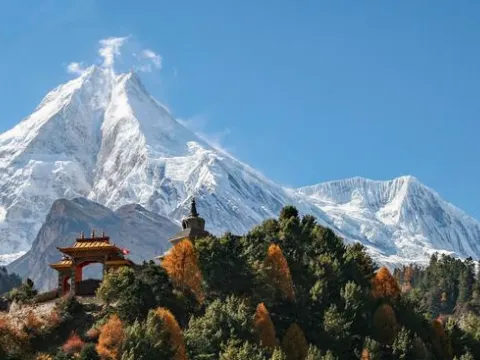
The Manaslu Tsum Valley Trek is one of Nepal’s most rewarding off-the-beaten-path Himalayan adventures, combining the remote and culturally rich Tsum Valley with the spectacular Manaslu Circuit and the challenging crossing of Larkya La Pass at 5,106 meters. The itinerary provided by Trail Mania Trek is designed as a 20-day journey, beginning with arrival and preparation in Kathmandu before heading toward Machha Khola and entering the remote valleys of the Manaslu region. The trail passes through traditional villages, Buddhist monasteries, forests, river valleys, and high Himalayan landscapes before reaching Samagaon, Samdo, and eventually crossing Larkya La to Bimthang and Dharapani. The route offers an exceptional combination of natural scenery, Tibetan-influenced culture, ancient monasteries, and high-altitude adventure.The Tsum Valley section is particularly special because of its peaceful atmosphere, traditional Buddhist communities, and relatively remote character. Villages such as Lokpa, Chumling, Chumchet, Nile, and the area around Rachen and Mu Gompa provide opportunities to experience a distinctive Himalayan culture. After exploring the Tsum Valley, the itinerary reconnects with the Manaslu Circuit and continues toward Lho, Samagaon, and Samdo. The acclimatization day at Samagaon provides valuable time for exploring Birendra Lake, Pungen Monastery, or Manaslu Base Camp before the trek reaches its highest point.Duration: 20 days according to the proposed itineraryHighest point: Larkya La Pass, 5,106 mMain highlights: Tsum Valley, Mu Gompa, Samagaon, Manaslu landscapes, Larkya LaTrek character: Remote, cultural, scenic, and physically demandingRecommended operator: Trail Mania TrekNepal Tourism Board describes the Manaslu Conservation Area as a trekking and mountaineering destination with lodge and camping accommodation, traditional communities, diverse wildlife, and dramatic Himalayan scenery. Best Season for Manaslu Tsum Valley TrekThe best seasons for the Manaslu Tsum Valley Trek are generally spring (March to May) and autumn (September to November). Among these periods, October is particularly attractive for trekkers who prioritize clear mountain views, relatively dry trails, and favorable conditions for the Larkya La crossing. November can also offer excellent visibility, although temperatures become considerably colder at higher elevations. Spring, especially April, provides comfortable trekking conditions and colorful rhododendron forests along lower and middle sections of the route. Nepal Tourism Board also lists March–May and September–November as the best seasons for trekking in the Manaslu Conservation Area.Seasonal planning is especially important on this itinerary because the trek reaches more than 5,000 meters at Larkya La. During the monsoon months, rain can affect the lower trails and road journey, while cloud, landslides, muddy paths, and transportation interruptions can make the adventure more complicated. Winter can bring snow and severe cold around the high passes and may affect accommodation availability. For most trekkers, Trail Mania Trek recommends planning around the established spring and autumn trekking windows and allowing flexibility for changing mountain conditions.Best overall: OctoberExcellent alternative: NovemberBest spring period: April to MayGood shoulder period: Late SeptemberMonsoon: June to August, generally less favorableWinter: December to February, suitable mainly with appropriate experience and preparationCurrent trekking guidance similarly identifies October–November and March–May as the principal trekking windows for the Manaslu region.Manaslu Tsum Valley Trek Difficulty and TransportationThe Manaslu Tsum Valley Trek is best classified as a moderate to strenuous/high-altitude trek because of its long duration, repeated elevation gains and losses, remote trail conditions, and the crossing of Larkya La Pass at 5,106 meters. Trekkers should be prepared to walk for several hours on most trekking days, often over uneven terrain, stone steps, suspension bridges, forest paths, and high mountain trails. The itinerary includes gradual acclimatization through Chumling, Rachen Gompa, Nile, Namrung, Lho, and Samagaon, while Day 14 provides an important acclimatization opportunity before moving toward Samdo and Larkya Phedi. Proper pacing, hydration, nutrition, and attention to altitude-related symptoms are essential.Transportation is an important part of the experience because the route begins with a road journey from Kathmandu toward the lower Manaslu region. According to the itinerary, Day 3 involves traveling from Kathmandu to Machha Khola, followed by trekking from Machha Khola onward. After crossing Larkya La and descending through Bimthang and Dharapani, the itinerary concludes the mountain portion before the return drive to Kathmandu. Trail Mania Trek arranges the required ground transportation and coordinates the transition between road travel and trekking. Road conditions in remote mountain districts can vary according to weather and local conditions, so travel time should be considered flexible rather than treated like a fixed city-to-city journey.Difficulty: Moderate to strenuousHighest altitude: 5,106 mKey challenge: Larkya La Pass crossingTypical trekking style: 5–8 hours of walking on many daysTransport: Road transfer between Kathmandu and the trekking regionPreparation: Cardiovascular fitness, hiking experience, and altitude awarenessThe Manaslu region is accessed by road before continuing on foot, and Nepal Tourism Board specifically notes bus access toward Dhading or Besisahar followed by trekking into the conservation area.Food and Accommodation for Manaslu Tsum Valley TrekFood and accommodation on the Manaslu Tsum Valley Trek are generally based on locally operated teahouses and lodges, with more basic facilities in the remote sections of Tsum Valley and the higher Manaslu trail. Meals commonly include familiar trekking staples such as dal bhat, rice, noodles, pasta, potatoes, soups, Tibetan-style bread, vegetables, eggs, and other simple local dishes. Dal bhat is particularly useful for trekkers because it provides a substantial combination of rice, lentils, vegetables, and often additional side dishes. At higher elevations, meal choices can become more limited because supplies must be transported along difficult mountain trails.Accommodation is normally simple but comfortable enough for trekking. Rooms generally provide beds and basic bedding, while toilets and washing facilities may be shared, particularly at higher elevations. The dining room often serves as the social center of the teahouse, where trekkers can eat, warm themselves, and interact with residents and other trekking groups. In the more remote portions of the Tsum Valley, facilities are intentionally simple, which is part of the attraction of traveling through a less commercialized Himalayan region. Nepal Tourism Board confirms that the Manaslu Conservation Area supports both lodge and camping accommodation.Typical food: Dal bhat, noodles, pasta, rice, soup, vegetables, potatoes, eggsAccommodation: Local teahouses and mountain lodgesHigher areas: More basic facilities and fewer food choicesDrinking water: Carry purification tablets, a filter, or another safe treatment methodDietary needs: Inform Trail Mania Trek before departureComfort level: Simple, clean, practical, and mountain-orientedTrail Mania Trek can help coordinate accommodation and meal arrangements according to the selected itinerary, group requirements, and availability along the trail.Manaslu Tsum Valley Trek PermitsThe Manaslu Tsum Valley Trek requires special trekking permissions because parts of the route fall within Nepal’s restricted trekking areas. The Department of Immigration states that trekking permits for restricted areas must be obtained through an authorized trekking agency, making an experienced local operator such as Trail Mania Trek particularly important for handling the necessary documentation. The current Department of Immigration trekking information lists separate permit categories for the Gorkha Manaslu Area and Gorkha Tsum Valley, with fees varying according to season and duration.In addition to the restricted-area permits, trekkers entering the Manaslu Conservation Area require the relevant conservation-area entry permission. Nepal Tourism Board currently lists the Manaslu Conservation Area entry fee for foreign visitors at NPR 3,000 per person per entry in its protected-area fee table, while the dedicated Manaslu page also provides the applicable conservation-area information. Because government fees and regulations can change, Trail Mania Trek should confirm the exact applicable charges and documentation before departure.Manaslu Restricted Area Permit: Required for the applicable Manaslu sectionTsum Valley Restricted Area Permit: Required for the applicable Tsum Valley sectionManaslu Conservation Area entry: RequiredPermit processing: Normally handled through an authorized trekking agencyDocuments: Passport details, photographs/application information, itinerary, and required agency documentsImportant: Current government fees should be reconfirmed before bookingThe Department of Immigration's current fee information lists the Gorkha Manaslu restricted-area permit at USD 100 per person per week from September–November and USD 75 per week from December–August, with additional daily charges beyond the initial week; the separate Gorkha Tsum Valley category is also seasonally priced.Why Choose Manaslu Tsum Valley Trek with Trail Mania TrekChoosing the Manaslu Tsum Valley Trek with Trail Mania Trek means combining two exceptional Himalayan experiences into one carefully structured journey. Instead of visiting only the Manaslu Circuit or only the Tsum Valley, this itinerary allows travelers to experience the remote cultural landscapes of Tsum before continuing toward the dramatic high-altitude environments of the Manaslu Circuit. The route includes ancient monasteries, traditional villages, Himalayan forests, deep river gorges, spectacular mountain views, and the dramatic Larkya La crossing. The acclimatization day at Samagaon adds flexibility and gives trekkers an opportunity to explore important surrounding attractions before the higher stages.Trail Mania Trek can also provide the practical support that is particularly valuable on a restricted-area trek. From permit coordination and transportation arrangements to accommodation, guides, trekking logistics, and route planning, having an experienced trekking company helps reduce the complexity of organizing a remote Himalayan journey. The trek is not simply a physical challenge; it is an opportunity to experience Buddhist culture, traditional mountain communities, and landscapes that remain considerably less commercialized than some of Nepal’s more established trekking destinations.Remote Himalayan experience away from heavily commercialized trailsTsum Valley culture and Tibetan-influenced Buddhist traditionsMu Gompa and Rachen Gompa explorationManaslu mountain scenery and traditional villagesSamagaon acclimatization with several excursion possibilitiesLarkya La Pass at 5,106 m as the major adventure highlightProfessional trekking support from Trail Mania TrekPermit and logistical assistance for a restricted-area journeyFor travelers seeking a combination of cultural discovery, wilderness, high-altitude trekking, and authentic Himalayan village life, the Manaslu Tsum Valley Trek offers a particularly diverse experience. Trail Mania Trek's role is to make this challenging journey more organized, supported, and enjoyable while allowing trekkers to focus on the landscapes, people, monasteries, and extraordinary mountain environment.
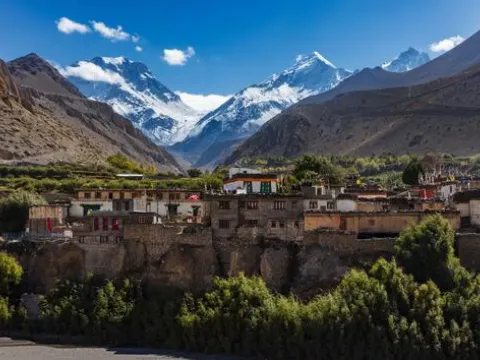
The Lower Mustang Trek is a spectacular Himalayan journey that combines dramatic mountain scenery, ancient Tibetan-influenced culture, traditional villages, Buddhist monasteries, and the unique landscapes of the Kali Gandaki Valley. Organized by Trail Mania Trek, this 10-day itinerary begins in Kathmandu and continues through Pokhara, Jomsom, Kagbeni, and Muktinath. The route is designed to provide a rewarding Himalayan experience without requiring an extremely long trekking period.The journey reaches Muktinath at approximately 3,900 meters, making acclimatization and a gradual pace important. Along the trail, trekkers experience dry mountain landscapes, windswept valleys, traditional stone houses, prayer flags, monasteries, and magnificent views of the Annapurna and Dhaulagiri ranges. The itinerary also includes time for sightseeing in Kathmandu and Muktinath, allowing travelers to experience both the natural and cultural sides of Nepal.Duration: 10 daysHighest point: Muktinath, 3,900mMajor stops: Jomsom, Kagbeni, Muktinath and PokharaHighlights: Himalayan scenery, monasteries, villages, and pilgrimage sitesBest Season for Lower Mustang TrekThe best seasons for the Lower Mustang Trek are generally spring (March to May) and autumn (September to November). During these months, the weather is usually stable, visibility is excellent, and the mountain landscapes can be enjoyed under clearer skies. Spring also brings colorful vegetation and blooming flowers, while autumn provides crisp mountain air and outstanding views of the surrounding peaks.Lower Mustang lies in a rain-shadow area, so it can also be suitable during parts of the monsoon season compared with many other trekking regions of Nepal. However, flight schedules between Pokhara and Jomsom can still be affected by weather conditions. Winter is possible for experienced travelers, but colder temperatures and snow at higher elevations can make the trek more challenging.Spring: March to MayAutumn: September to NovemberMonsoon: Relatively dry in Lower Mustang, but flights may be affectedWinter: Cold conditions and possible snow at higher elevationsLower Mustang Trek Difficulty and TransportationThe Lower Mustang Trek is considered a moderate trekking adventure. It is suitable for travelers with reasonable physical fitness and some previous walking experience, although technical mountaineering skills are not required. The main challenge is the altitude, particularly when reaching Muktinath at 3,900 meters. Proper acclimatization, hydration, a comfortable walking pace, and adequate rest are important for enjoying the journey safely.Transportation is an important part of this itinerary. From Kathmandu, travelers drive to Pokhara, followed by a scenic flight from Pokhara to Jomsom. The trek then proceeds toward Kagbeni and Muktinath. After exploring Muktinath, trekkers return toward Jomsom and fly back to Pokhara before driving to Kathmandu. The combination of road travel, mountain flights, and trekking makes the itinerary efficient while still providing plenty of Himalayan scenery.Difficulty: ModerateMain altitude challenge: Muktinath at 3,900mKathmandu–Pokhara: Tourist/private road transportationPokhara–Jomsom: Approximately 25-minute mountain flightJomsom–Kagbeni–Muktinath: TrekkingReturn: Flight to Pokhara and drive to KathmanduFood and Accommodation for Lower Mustang TrekDuring the Lower Mustang Trek, Trail Mania Trek arranges accommodation in comfortable hotels and local mountain lodges according to the itinerary. In Kathmandu and Pokhara, travelers can expect a wider range of hotel facilities, while accommodation in Jomsom, Kagbeni, and Muktinath is generally simpler but offers an authentic Himalayan experience. Rooms may be basic in remote areas, and facilities can vary from lodge to lodge.Food along the route usually includes a mixture of traditional Nepali meals and commonly available trekking dishes. Dal bhat, noodles, rice, vegetables, soups, potatoes, eggs, Tibetan-style breads, and other simple meals are commonly available. Because the trek reaches a high elevation, eating nutritious meals and drinking sufficient fluids are especially important.Accommodation: Hotels and mountain lodgesKathmandu/Pokhara: More comfortable hotel facilitiesTrekking areas: Local teahouses and lodgesFood: Nepali, Tibetan-influenced and common trekking mealsRecommended: Plenty of water and balanced, energy-rich mealsLower Mustang Trek PermitsTrekkers visiting Lower Mustang need the appropriate permits and documentation required for the trekking region. Depending on the exact route and current regulations, these commonly include the Annapurna Conservation Area Permit (ACAP) and the applicable trekking registration or permit requirements. Because regulations, fees, and procedures can change, travelers should confirm the latest requirements before departure.One advantage of traveling with Trail Mania Trek is that the company can help organize the necessary trekking documentation as part of the preparation process. Trekkers should carry valid identification and passport details and follow the requirements established by the relevant Nepalese authorities. Having the correct permits helps ensure a smooth journey through the conservation area and trekking checkpoints.Annapurna Conservation Area Permit (ACAP)Required trekking registration/documentation as applicableValid passport and identification detailsPermit requirements should be confirmed before departureTrail Mania Trek can assist with trek preparation and documentationWhy Choose Lower Mustang TrekChoosing the Lower Mustang Trek means experiencing a remarkable combination of mountains, culture, spirituality, and distinctive Himalayan landscapes in a relatively short itinerary. The route provides access to the famous Kali Gandaki Valley, traditional settlements such as Kagbeni, and the sacred pilgrimage destination of Muktinath. Unlike some longer Himalayan treks, this journey uses mountain flights and road transportation to reduce the amount of time required while still providing an authentic trekking experience.With Trail Mania Trek, travelers can enjoy an organized itinerary supported by local trekking knowledge and logistical assistance. The carefully structured 10-day journey provides time for sightseeing, acclimatization, trekking, and cultural exploration. Whether you are attracted by ancient monasteries, Himalayan villages, dramatic landscapes, or the spiritual atmosphere of Muktinath, Lower Mustang offers a memorable introduction to the diverse beauty of Nepal.Unique Himalayan landscapes in the rain-shadow regionRich Tibetan-influenced culture and Buddhist heritageMuktinath pilgrimage site and surrounding monasteriesScenic mountain flight between Pokhara and JomsomTraditional villages, including KagbeniShorter itinerary combining trekking and transportationOrganized support from Trail Mania Trek throughout the journey
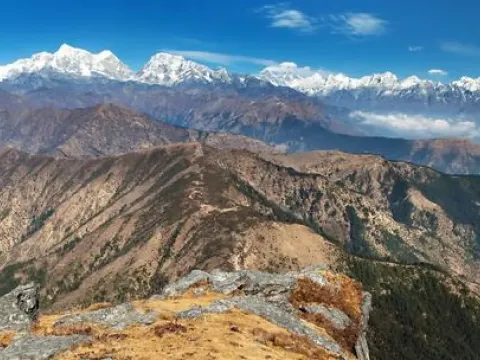
The Pikey Peak Trek is a scenic and culturally rich Himalayan adventure that offers an excellent combination of mountain views, peaceful trails, Sherpa villages, Buddhist monasteries, and beautiful landscapes. This 11-day itinerary begins in Kathmandu, where you have time for sightseeing and trek preparation before driving toward Dhap Bazaar. From Dhap, the trekking route passes through Jhapre and continues toward Pikey Peak Base Camp. The highlight of the journey is the early-morning hike to Pikey Peak at 4,065 meters, where trekkers can enjoy an unforgettable sunrise and panoramic views of the Himalayan range.After reaching the summit, the trail continues toward Jasmane Bhanjyang and descends to the charming Sherpa village of Junbesi. Junbesi provides an excellent opportunity to experience local culture, visit monasteries, and enjoy a relaxing rest day. The final trekking section takes you from Junbesi to Phaplu, followed by a scenic drive back to Kathmandu. Compared with many popular Everest-region trekking routes, Pikey Peak is generally quieter and provides a more peaceful Himalayan experience.Duration: 11 daysHighest point: Pikey Peak – 4,065 mStarting point: Dhap BazaarEnding point: PhapluMajor highlights: Sunrise, Himalayan views, Sherpa villages, monasteries, forests, and local cultureBest Season for Pikey Peak TrekThe best seasons for the Pikey Peak Trek are spring and autumn, particularly from March to May and October to November. During these periods, the weather is generally more suitable for trekking, with comfortable daytime temperatures and better chances of clear mountain views. Spring is especially attractive because rhododendron forests begin to bloom, adding vibrant colors to the trekking trails. Autumn is another excellent choice because the monsoon has usually cleared the atmosphere, creating excellent visibility of the Himalayan peaks.Winter is also possible for experienced trekkers who are prepared for cold temperatures and potential snowfall around the higher sections of the route. The landscape can be beautifully clear during winter, although mornings and nights can be extremely cold. The monsoon season from June to September generally brings more rain, cloudy conditions, and muddy or slippery trails. Trail Mania Trek can help you choose the most suitable trekking period based on your preferred weather, scenery, and trekking experience.Spring: March to May – pleasant weather and blooming rhododendronsAutumn: October to November – clear skies and excellent mountain visibilityWinter: December to February – cold with possible snowfallMonsoon: June to September – rain, clouds, and wet trailsPikey Peak Trek Difficulty and TransportationThe Pikey Peak Trek is considered a moderate-level trek and is suitable for trekkers with reasonable physical fitness and previous experience with long walks. The route does not involve technical climbing, but it includes continuous ascents and descents, uneven mountain trails, and several hours of walking on trekking days. The highest elevation reaches 4,065 meters, so proper acclimatization, hydration, pacing, and rest are important. The itinerary includes a rest day in Junbesi, which gives trekkers time to recover after reaching the summit.Transportation is an important part of the journey because the trek begins at Dhap Bazaar rather than directly from Kathmandu. The itinerary includes a road journey from Kathmandu to Dhap and a return drive from Phaplu to Kathmandu after completing the trek. Mountain roads can be affected by weather and road conditions, so travel times may vary. With Trail Mania Trek, transportation can be arranged as part of the overall trekking program, allowing travelers to concentrate on enjoying the journey rather than managing complicated logistics.Trek difficulty: ModerateHighest elevation: 4,065 mTechnical climbing: Not requiredKathmandu to Dhap: Road transportationPhaplu to Kathmandu: Road transportationRecommended preparation: Regular walking, hiking, and cardiovascular exerciseFood and Accommodation for Pikey Peak TrekFood during the Pikey Peak Trek is mainly served at local teahouses and lodges along the route. Trekkers can expect simple but filling meals that provide enough energy for long days of hiking. Popular options include traditional Nepali dal bhat, rice, vegetables, noodles, pasta, potatoes, eggs, soups, Tibetan-style bread, and other basic meals. Dal bhat is one of the most popular trekking meals because it provides a good combination of carbohydrates, vegetables, and protein. Tea, coffee, hot lemon, and other warm beverages are also commonly available.Accommodation is generally provided in local teahouses and mountain lodges. Rooms are usually simple, clean, and designed to provide basic comfort after a day of trekking. Facilities become more basic as you move toward the higher and more remote sections of the trail. Kathmandu offers more comfortable hotel accommodation, while trekking villages provide a more authentic local experience. Trail Mania Trek can arrange accommodation and meals according to the itinerary, while trekkers are encouraged to carry some personal snacks such as energy bars, chocolate, nuts, or dried fruit.Kathmandu: Comfortable hotel accommodationTrekking route: Local teahouses and lodgesFood: Nepali, Tibetan, and basic international dishesPopular meal: Dal bhatDrinks: Tea, coffee, hot lemon, and other hot beveragesHigher elevations: More basic accommodation and food choicesPikey Peak Trek PermitsBefore beginning the Pikey Peak Trek, trekkers need to make sure they have the appropriate permits and documentation required for the current route. Permit requirements can vary according to the exact trekking trail and government regulations. Depending on the itinerary and route used, trekkers may need applicable conservation-area entry documentation as well as a TIMS card. Because trekking regulations can change, it is important to confirm the current requirements before departure.Trail Mania Trek can assist travelers with the necessary permit arrangements and documentation as part of the trekking preparation process. Trekkers should generally provide their passport details and other required information in advance so that the paperwork can be completed smoothly. Having the correct permits is essential because they support legal access to regulated trekking areas and contribute to the management and conservation of Nepal's mountain destinations.Possible permit: Gaurishankar Conservation Area entry permitTIMS: Required depending on the current route regulationsGuide: Follow current government trekking requirementsDocuments: Valid passport and required personal detailsPermit fees: Subject to current government regulationsPreparation: Confirm requirements before starting the trekWhy Choose Pikey Peak Trek with Trail Mania TrekThe Pikey Peak Trek with Trail Mania Trek is an excellent choice for travelers who want to experience the Himalayas away from the busier trekking routes. The journey combines spectacular mountain scenery with authentic Sherpa culture, peaceful villages, Buddhist monasteries, forests, and beautiful ridgelines. The sunrise from Pikey Peak is the major attraction, while the villages around Jhapre and Junbesi provide opportunities to experience the traditions and hospitality of the local communities.Trail Mania Trek focuses on making the entire journey convenient and well organized, from trek preparation and transportation to accommodation, permits, guides, and daily trekking arrangements. The carefully planned itinerary also includes a rest day in Junbesi, giving travelers time to recover and explore the surrounding cultural attractions. For trekkers looking for a moderate Himalayan adventure with impressive scenery, cultural experiences, and a quieter atmosphere, the Pikey Peak Trek is a memorable choice.Spectacular scenery: Enjoy sunrise and panoramic Himalayan viewsAuthentic culture: Experience Sherpa villages and Buddhist traditionsModerate adventure: No technical mountaineering requiredPeaceful trails: Less crowded than many major Everest routesCultural exploration: Visit monasteries and traditional settlementsProfessional organization: Trail Mania Trek manages key trekking logisticsComplete experience: A balanced combination of nature, culture, adventure, and relaxation
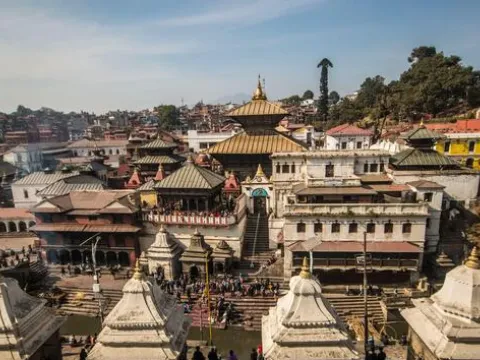
The Hindu Pilgrimage Tour in Nepal by Trail Mania Trek is a spiritually enriching journey through some of Nepal’s most sacred Hindu temples, shrines, and pilgrimage destinations. This 10-day itinerary combines religious devotion, cultural discovery, mountain scenery, and comfortable travel. The journey begins in Kathmandu with visits to revered sites such as Pashupatinath, Budhanilkantha, Dakshinkali, and Jal Narayan. It then continues to the historic temples of Changunarayan and Bhaktapur before traveling to Manakamana, Pokhara, Jomsom, and the sacred pilgrimage destination of Muktinath.Muktinath is one of the most significant pilgrimage sites in Nepal and is especially important to both Hindus and Buddhists. Pilgrims can experience the spiritual atmosphere of the temple, holy water spouts, and surrounding Himalayan landscape. Trail Mania Trek arranges the itinerary to provide a balance between temple visits, transportation, sightseeing, and time for personal prayer and worship.Duration: 10 daysMajor destinations: Kathmandu, Bhaktapur, Manakamana, Pokhara, Jomsom, and MuktinathMain focus: Hindu temples, pilgrimage, culture, and Himalayan sceneryHighlights: Pashupatinath, Dakshinkali, Manakamana, and MuktinathSuitable for: Religious travelers, families, senior pilgrims, and cultural explorersBest Season for Hindu Pilgrimage Tour in NepalThe best seasons for a Hindu Pilgrimage Tour in Nepal are generally spring (March to May) and autumn (September to November). During these periods, the weather is usually favorable for temple sightseeing, road travel, mountain flights, and the journey toward Muktinath. The skies are often clearer, temperatures are more comfortable, and the Himalayan landscapes around Pokhara, Jomsom, and Muktinath can be particularly impressive. Autumn is especially popular because of its stable weather and pleasant conditions for pilgrimage travel.Winter can also be suitable for Kathmandu, Bhaktapur, and lower-altitude pilgrimage destinations, although mornings and evenings may be cold. The higher areas around Muktinath can experience freezing temperatures and difficult weather. The monsoon season, from roughly June to August, brings heavy rainfall to many parts of Nepal, which can affect road conditions and flights to Jomsom. However, pilgrimage can still be arranged during this period depending on weather and transportation conditions.Spring: March to May, pleasant for sightseeing and travelAutumn: September to November, generally the most favorable periodWinter: December to February, possible but colder at higher elevationsMonsoon: June to August, possible with weather-related flexibilityBest choice: Spring and autumn for comfortable overall travelHindu Pilgrimage Tour in Nepal Difficulty and TransportationThe Hindu Pilgrimage Tour in Nepal is generally considered an easy to moderate journey because it is primarily a temple and cultural tour rather than a demanding trekking expedition. Most pilgrimage sites can be reached by vehicle, although some temples and religious areas require short walks or stair climbing. The journey to Muktinath involves traveling to the high-altitude Mustang region, where visitors may experience cold temperatures and thinner air. Pilgrims should therefore maintain a comfortable pace and allow sufficient rest.Trail Mania Trek can organize different forms of transportation according to the itinerary, road conditions, weather, and traveler preferences. Private vehicles are useful for sightseeing and road journeys, while the route between Pokhara and Jomsom can be covered by flight when operating conditions are favorable. The final approach to Muktinath may involve a combination of road transportation and walking, depending on current local conditions.Difficulty: Easy to moderateMain transportation: Private vehicle and domestic flightKathmandu–Manakamana: Scenic road journeyManakamana–Pokhara: Road transportationPokhara–Jomsom: Domestic flight when conditions permitJomsom–Muktinath: Road journey with walking sections where necessaryPhysical requirement: Comfortable walking and basic mobilityFood and Accommodation for Hindu Pilgrimage Tour in NepalFood and accommodation are important parts of a comfortable pilgrimage experience. During the Hindu Pilgrimage Tour in Nepal, travelers can enjoy a variety of traditional Nepali and Indian-influenced vegetarian meals as well as other commonly available dishes. Vegetarian food is particularly convenient for pilgrims observing religious dietary practices. Typical meals may include dal bhat, vegetables, rice, roti, noodles, soups, and other simple local dishes. At higher elevations, keeping meals light, warm, and easily digestible can make the journey more comfortable.Accommodation varies according to the destination. In Kathmandu, Bhaktapur, and Pokhara, travelers can stay in comfortable tourist-standard hotels with modern facilities. Accommodation around Jomsom and Muktinath is generally simpler because of the remote Himalayan environment. Trail Mania Trek can arrange accommodation based on availability, group requirements, and the selected package. Pilgrims are encouraged to communicate dietary restrictions and accommodation preferences in advance.Vegetarian and non-vegetarian food optionsTraditional Nepali meals such as dal bhat and vegetablesIndian-style vegetarian dishes commonly availableComfortable hotels in major citiesSimple lodges and guesthouses in remote areasWarm, hygienic, and easily digestible meals are recommendedHindu Pilgrimage Tour in Nepal PermitsThe permit requirements for a Hindu Pilgrimage Tour in Nepal depend on the exact route, transportation arrangements, and areas visited. The main temple destinations around Kathmandu, Bhaktapur, Manakamana, and Pokhara generally involve entrance tickets or site fees rather than trekking permits. The Muktinath area is located in the Mustang region, so travelers should make sure that any applicable local entry requirements, conservation-area formalities, or transportation documentation are properly arranged before traveling.Trail Mania Trek assists travelers with the necessary arrangements and provides guidance regarding applicable permits, entrance fees, and documentation. Requirements can change according to government regulations, local authorities, route conditions, and nationality. Travelers should provide accurate passport and personal information when booking so that any required documentation can be prepared correctly.Passport and valid travel documents for international travelersNepal entry visa where applicableTemple entrance tickets or applicable site feesLocal area or conservation documentation where requiredTransportation documentation for applicable routesTrail Mania Trek assistance with required arrangementsWhy Choose Hindu Pilgrimage Tour in NepalChoosing Trail Mania Trek for a Hindu Pilgrimage Tour in Nepal provides an opportunity to experience Nepal’s spiritual heritage with organized transportation, carefully planned sightseeing, and local travel support. The itinerary brings together major Hindu pilgrimage sites in Kathmandu Valley, the famous Manakamana Temple, the peaceful city of Pokhara, and the sacred Muktinath region. Instead of visiting only one temple, travelers can experience a diverse spiritual journey through historic religious sites, traditional communities, and spectacular Himalayan landscapes.Trail Mania Trek can also help make the journey more convenient for families, senior pilgrims, and international visitors who may prefer organized transportation and accommodation. The itinerary allows time for temple visits, prayer, darshan, sightseeing, and rest while reducing the need to manage complicated travel arrangements independently. With a combination of cultural knowledge and practical trekking and travel experience, Trail Mania Trek offers a meaningful way to explore Nepal’s sacred destinations.Carefully planned 10-day pilgrimage itineraryVisits to major Hindu temples and sacred sitesExperienced local travel and trekking supportOrganized transportation and accommodationSuitable for families and pilgrimage groupsCombination of spirituality, culture, and Himalayan sceneryFlexible arrangements according to group requirements
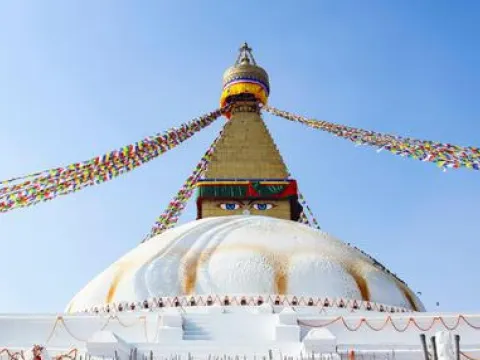
The Buddhist Pilgrimage Tour in Nepal is a spiritually enriching journey through some of the country’s most significant Buddhist heritage sites, combining sacred places, ancient stupas, monasteries, meditation centers, and culturally important destinations. This carefully designed 8-day itinerary by Trail Mania Trek begins in Kathmandu and continues to Pokhara and Lumbini before returning to Kathmandu. The journey provides an opportunity to experience the living traditions of Buddhism while also discovering Nepal’s landscapes, local communities, and diverse cultural heritage. Kathmandu’s Boudhanath and Swayambhunath are among Nepal’s major Buddhist pilgrimage centers, while Kapan Monastery is an important center of Tibetan Buddhist learning.The pilgrimage reaches its spiritual highlight in Lumbini, the birthplace of Siddhartha Gautama Buddha. Lumbini is a UNESCO World Heritage Site and includes the Sacred Garden, Maya Devi Temple, Ashoka Pillar, Pushkarini Pond, and numerous monasteries established by Buddhist communities from different countries. Along the way, Pokhara adds a peaceful Himalayan setting through destinations such as the World Peace Pagoda, Malepatan Gumba, and the Tibetan Refugee Camp.Duration: 8 days / 7 nightsMain destinations: Kathmandu, Pokhara and LumbiniMajor sites: Boudhanath, Swayambhunath, Kapan Monastery and Maya Devi TempleTravel style: Buddhist pilgrimage, cultural sightseeing and spiritual explorationIdeal for: Buddhist devotees, spiritual travelers, families, senior travelers and cultural explorersWith knowledgeable local coordination, comfortable transportation, and thoughtfully selected accommodation, Trail Mania Trek aims to make the pilgrimage meaningful, convenient, and respectful of Buddhist traditions.Best Season for Buddhist Pilgrimage Tour in NepalThe Buddhist Pilgrimage Tour in Nepal can be undertaken throughout the year because the itinerary focuses mainly on cultural, religious, and sightseeing destinations rather than high-altitude trekking. Nevertheless, spring (March–May) and autumn (September–November) are generally the most comfortable seasons. Nepal Tourism Board identifies spring and autumn as particularly favorable periods, with clearer conditions after the monsoon in October and November. These seasons are especially pleasant for visiting monasteries, walking around stupas, exploring Lumbini’s Sacred Garden, and traveling between Kathmandu, Pokhara, and Lumbini.Autumn is often preferred by pilgrims who want comfortable daytime temperatures and generally good visibility, while spring brings warmer weather and colorful vegetation. Winter, from December to February, is also suitable for this pilgrimage, although mornings and evenings in Kathmandu and Pokhara can be chilly. Lumbini lies in Nepal’s Terai plains and can become considerably warmer during the hotter months. Nepal Tourism Board notes that Lumbini and other Terai destinations experience hot summer conditions, while Kathmandu and Pokhara have milder hill-country climates.Best overall: September to NovemberAnother excellent period: March to MayCooler option: December to FebruaryWarmer and wetter: June to AugustSpecial occasions: Buddha Jayanti and Buddhist festivals can add a particularly spiritual atmosphereTraveling during festival periods can be rewarding, but popular pilgrimage sites may become busier. Trail Mania Trek can help travelers select suitable dates according to their preferred weather, crowd levels, religious interests, and travel schedule.Buddhist Pilgrimage Tour in Nepal: Difficulty and TransportationThe Buddhist Pilgrimage Tour in Nepal is considered an easy to moderate cultural journey rather than a trekking expedition. There are no long mountain hikes or technical climbing sections in the itinerary. Most sightseeing locations are accessible by road, although certain religious sites involve walking, stairs, or gentle uphill sections. For example, Swayambhunath is located on a hill and traditionally involves an uphill stairway, while Kapan Monastery also requires an ascent from the road. Visitors should therefore have basic walking ability and be comfortable spending several hours sightseeing each day.Transportation is an important part of this pilgrimage because the itinerary connects three different regions of Nepal. Private tourist vehicles are a convenient option for the Kathmandu sightseeing program and the overland journeys to Pokhara and Lumbini. Road travel allows travelers to observe villages, hills, rivers, agricultural areas, and changing landscapes along the route. The itinerary is intentionally arranged with full sightseeing days and travel days so that the pilgrimage does not feel excessively rushed.Difficulty: Easy to moderateWalking: Short walks and some stairsKathmandu: Private vehicle for sightseeing and transfersKathmandu–Pokhara: Overland drivePokhara–Lumbini: Overland driveLumbini–Kathmandu: Overland return journeySuitable for: Most reasonably fit travelers, including families and seniorsTrail Mania Trek can arrange transportation according to group size and comfort requirements. Travelers who prefer a slower pace can also discuss additional rest time or itinerary adjustments before departure.Food and Accommodation for Buddhist Pilgrimage Tour in NepalFood during the Buddhist Pilgrimage Tour in Nepal is generally easy to arrange, with a broad selection of Nepali, Tibetan, Indian, and international dishes available in Kathmandu, Pokhara, and Lumbini. Vegetarian meals are particularly convenient for Buddhist pilgrims, and many restaurants and hotels can prepare simple vegetarian dishes upon request. Traditional Nepali food such as dal bhat, vegetables, rice, lentils, and seasonal pickles can provide a wholesome meal during the journey. Travelers can also find Tibetan-style foods, noodles, soups, momos, and other light meals in Buddhist neighborhoods such as Boudha.Accommodation is normally arranged in comfortable tourist-standard hotels or guesthouses selected for convenient access, cleanliness, and a peaceful environment. Kathmandu provides a wide range of accommodation near Boudhanath and other major attractions, while Pokhara offers hotels with views and easy access to sightseeing areas. In Lumbini, pilgrims can stay in hotels or guesthouses close to the Sacred Garden and major monasteries. Accommodation standards can vary by location, so Trail Mania Trek can recommend options according to budget and personal preferences.Food: Vegetarian and non-vegetarian optionsPopular choices: Dal bhat, Tibetan dishes, noodles, soups and momosSpecial diets: Can generally be arranged with advance noticeAccommodation: Tourist-standard hotels and guesthousesRoom options: Usually twin/double sharing, with private rooms available depending on the packagePriority: Cleanliness, comfort and convenient locationPilgrims are encouraged to maintain respectful eating habits around monasteries and sacred areas. At Maya Devi Temple in Lumbini, food and drinks should be left outside the temple entrance, and visitors are expected to remove their shoes before entering the temple premises.Buddhist Pilgrimage Tour in Nepal PermitsUnlike trekking expeditions in restricted mountain areas, this Buddhist Pilgrimage Tour in Nepal does not normally require a trekking permit or TIMS card because the itinerary is primarily a cultural and pilgrimage tour. However, travelers should budget for entrance or conservation fees at several religious and heritage attractions. Nepal Tourism Board states that entrance fees apply at sites including Boudhanath, Swayambhunath, and Lumbini. These charges can change, so Trail Mania Trek can provide the latest applicable information when arranging the trip.International travelers also need appropriate authorization to enter Nepal. Nepal’s Department of Immigration currently states that tourist visa on arrival is available at Tribhuvan International Airport for eligible travelers, with tourist visa options including 15-, 30-, and 90-day durations. Passport validity requirements and nationality-specific restrictions should be checked before travel. Lumbini also has its own development and conservation fee system. Current official information lists different rates according to nationality, and entrance tickets are mandatory for the Maya Devi Temple area. Trekking permit: Not normally required for this itineraryTIMS: Not normally applicable because this is not a trekking routeHeritage entrance fees: Applicable at several sitesLumbini: Development and conservation fee appliesNepal tourist visa: Required for most foreign visitorsPassport: Should meet Nepal immigration validity requirementsDrone use: Separate permissions are required around Lumbini’s Buddhist heritage sitesBecause entrance regulations and fees can change, Trail Mania Trek can assist with the practical arrangements and advise travelers about the applicable requirements before departure.Why Choose Buddhist Pilgrimage Tour in NepalChoosing a Buddhist Pilgrimage Tour in Nepal means experiencing Buddhism not simply through monuments but through living traditions, monasteries, prayer rituals, meditation, architecture, and local communities. Nepal provides a unique spiritual setting where ancient Buddhist heritage remains an active part of everyday life. Boudhanath offers the powerful atmosphere of pilgrims circumambulating the great stupa, turning prayer wheels, lighting butter lamps, and visiting surrounding monasteries. Swayambhunath provides another major Buddhist landmark overlooking Kathmandu, while Kapan Monastery offers an opportunity to learn about Tibetan Buddhist traditions. The journey becomes even more significant in Lumbini, where travelers can visit the sacred birthplace of Buddha. The combination of Kathmandu’s ancient Buddhist centers, Pokhara’s peaceful environment, and Lumbini’s profound historical significance creates a balanced pilgrimage experience. Trail Mania Trek focuses on providing a comfortable itinerary while allowing sufficient time for prayer, reflection, sightseeing, and cultural interaction. The journey can be particularly meaningful for first-time visitors to Nepal as well as returning pilgrims wishing to deepen their connection with Buddhist heritage.Spiritual experience: Visit major Buddhist pilgrimage centersCultural discovery: Experience Nepalese and Tibetan Buddhist traditionsHistorical importance: Explore ancient Buddhist heritageLumbini experience: Visit the birthplace of Siddhartha Gautama BuddhaComfortable itinerary: Balanced sightseeing and travel daysProfessional support: Assistance with transportation, accommodation, and trip logisticsFlexible experience: Suitable for individuals, families and private groupsWith Trail Mania Trek, the Buddhist Pilgrimage Tour in Nepal is designed to combine spiritual discovery, cultural understanding, historical exploration, and comfortable travel in one memorable journey.
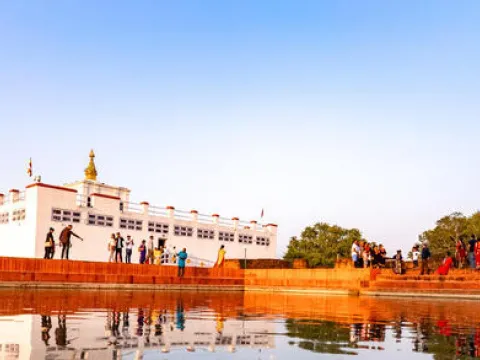
The Kathmandu Pokhara Lumbini Chitwan Tour with Trail Mania Trek is a diverse Nepal journey combining Buddhist heritage, spiritual exploration, Himalayan scenery, cultural discovery, peaceful lakes, and wildlife experiences. Although Lumbini is the central Buddhist pilgrimage destination, the itinerary also introduces travelers to important religious and cultural landmarks in Kathmandu, the natural beauty of Pokhara, and the biodiversity of Chitwan National Park. The journey is designed for pilgrims, spiritual travelers, cultural explorers, families, and visitors who want to experience several sides of Nepal within 10 days.The pilgrimage experience begins in Kathmandu, where travelers explore Boudhanath Stupa, Swayambhunath Stupa, and other important religious and historical landmarks. The journey continues to Pokhara for Himalayan views and peaceful surroundings before traveling to Lumbini, the sacred birthplace of Siddhartha Gautama Buddha. Here, travelers can visit Maya Devi Temple, the Sacred Garden, Ashoka Pillar, monasteries, and other significant Buddhist sites. The final part of the journey takes travelers to Chitwan for a nature and wildlife experience before returning to Kathmandu.Duration: 10 daysMain destinations: Kathmandu, Pokhara, Lumbini, and ChitwanMajor pilgrimage site: Lumbini, birthplace of BuddhaCultural highlights: Boudhanath, Swayambhunath, Pashupatinath, and Kathmandu Durbar SquareNature highlights: Sarangkot, Phewa Lake, and Chitwan National ParkTour style: Private cultural, spiritual, scenic, and wildlife journeyBest Season for Kathmandu Pokhara Lumbini Chitwan TourThe best seasons for the Kathmandu Pokhara Lumbini Chitwan Tour are generally spring (March to May) and autumn (September to November). During these periods, Nepal usually offers favorable weather, clearer mountain views, comfortable sightseeing conditions, and pleasant temperatures. Autumn is particularly attractive for travelers interested in Himalayan scenery because visibility is often excellent around Pokhara and Sarangkot. Spring brings warmer weather, blooming flowers, and colorful landscapes, making it another excellent period for traveling through the country's varied regions.Winter, from December to February, can also be suitable, especially for travelers who prefer cooler weather and quieter tourist destinations. Kathmandu and Pokhara can be chilly in the mornings and evenings, while Lumbini and Chitwan are generally warmer. The summer monsoon season from June to August brings rainfall, particularly in the hills, which can affect road journeys and mountain visibility. However, Lumbini's peaceful atmosphere and Buddhist monasteries can still be appreciated during this period.Spring: March to May; warm weather and pleasant sightseeingAutumn: September to November; generally the best overall seasonWinter: December to February; cooler but suitable for cultural toursMonsoon: June to August; lush landscapes but possible rain and road delaysBest mountain-view opportunities are generally during clear autumn and spring daysKathmandu Pokhara Lumbini Chitwan Tour Difficulty and TransportationThe Kathmandu Pokhara Lumbini Chitwan Tour is considered an easy to moderate cultural and sightseeing journey rather than a trekking expedition. Travelers do not need previous trekking experience or specialized mountaineering skills. Most activities involve sightseeing, walking around heritage sites, visiting monasteries and temples, exploring gardens, and participating in nature activities. Some sites may involve stairs, uneven paths, or extended periods of walking, so comfortable walking shoes are recommended.Transportation is primarily by private tourist vehicle, allowing the itinerary to be completed comfortably and flexibly. The road journey from Kathmandu to Pokhara, Pokhara to Lumbini, Lumbini to Chitwan, and Chitwan to Kathmandu passes through hills, valleys, villages, rivers, agricultural areas, and the Terai plains. Travel times can vary according to traffic, weather, road conditions, and seasonal construction. Trail Mania Trek arranges transportation and transfers according to the itinerary, helping travelers enjoy a smoother journey between Nepal's major cultural and pilgrimage destinations.Difficulty: Easy to moderateNo previous trekking experience requiredPrivate road transportation throughout the main itineraryComfortable walking shoes recommendedRoad travel times may vary with traffic and weatherNature activities in Chitwan may involve walking on uneven terrainFood and Accommodation for Kathmandu Pokhara Lumbini Chitwan TourAccommodation during the Kathmandu Pokhara Lumbini Chitwan Tour is arranged in comfortable hotels and a jungle resort suitable for the destination and itinerary. In Kathmandu, Pokhara, and Lumbini, travelers stay in hotels that provide a convenient base for sightseeing and relaxation. In Chitwan, accommodation is arranged at a jungle resort, creating a pleasant environment for experiencing the natural surroundings and participating in wildlife activities. Room standards and facilities may vary according to the selected hotel category and package.Food is another enjoyable part of traveling through Nepal because the journey provides opportunities to experience both familiar international dishes and traditional Nepali cuisine. Breakfast is included throughout the itinerary, while the Chitwan package includes breakfast, lunch, and dinner according to the planned activities. Travelers can enjoy dishes such as dal bhat, vegetables, rice, noodles, soups, momos, and other local or international options. Dietary requirements such as vegetarian meals can generally be arranged when communicated in advance.Comfortable hotel accommodation in Kathmandu, Pokhara, and LumbiniJungle resort accommodation in ChitwanBreakfast included throughout the tourChitwan package includes breakfast, lunch, and dinnerNepali, vegetarian, and international food options may be availableSpecial dietary requirements should be communicated before the tourKathmandu Pokhara Lumbini Chitwan Tour PermitsUnlike trekking routes in Nepal that require specific trekking permits, this cultural and pilgrimage tour generally does not involve a special trekking permit because it is primarily a sightseeing journey. However, travelers may need to pay applicable entrance fees at heritage sites, museums, religious monuments, and protected areas included in the itinerary. Lumbini, Kathmandu Valley heritage sites, museums, and Chitwan National Park each operate under their own entrance and visitor regulations.Trail Mania Trek can assist with the necessary arrangements and guide applicable entrance fees and permits included or excluded from the selected tour package. Because regulations, entrance fees, and local requirements can change, travelers should confirm the current inclusions with Trail Mania Trek before departure. International visitors should also ensure that their Nepal entry visa and passport requirements are properly arranged before beginning the journey.No specialized trekking permit is normally requiredHeritage-site entrance fees may applyLumbini sightseeing may involve applicable site feesChitwan National Park entry requirements and fees applyPassport and Nepal visa requirements remain the traveler's responsibilityTrail Mania Trek can provide guidance on tour-related permits and feesWhy Choose Kathmandu Pokhara Lumbini Chitwan TourChoosing the Kathmandu Pokhara Lumbini Chitwan Tour with Trail Mania Trek allows travelers to experience Nepal's spiritual, cultural, natural, and wildlife attractions in one carefully arranged journey. The itinerary is especially meaningful for Buddhist pilgrims because it includes Lumbini, the birthplace of Buddha, together with major Buddhist landmarks in Kathmandu such as Boudhanath and Swayambhunath. At the same time, the journey provides opportunities to enjoy Himalayan landscapes in Pokhara and discover Nepal's remarkable wildlife in Chitwan.The 10-day itinerary also offers a balanced pace, combining sightseeing with periods of relaxation. Travelers can explore ancient temples and stupas, learn about Buddhist traditions, admire mountain scenery from Sarangkot, enjoy a boat ride on Phewa Lake, visit the peaceful monasteries of Lumbini, and experience jungle activities in Chitwan. With organized transportation, accommodation, sightseeing assistance, and local guidance, Trail Mania Trek helps make the journey convenient and memorable for travelers seeking both spiritual enrichment and broader cultural discovery.Visit Lumbini, the sacred birthplace of BuddhaExplore Boudhanath and Swayambhunath in KathmanduExperience Himalayan views from Pokhara and SarangkotDiscover Buddhist monasteries and the Sacred Garden in LumbiniEnjoy wildlife and nature activities in Chitwan National ParkTravel with organized transportation and local assistanceExperience Nepal's spiritual, cultural, scenic, and natural diversity in one tourSuitable for pilgrims, families, cultural travelers, and first-time visitors to NepalTrail Mania Trek welcomes travelers to discover Nepal through this meaningful Buddhist pilgrimage and cultural journey, combining sacred heritage with Himalayan beauty, peaceful landscapes, and unforgettable wildlife experiences.
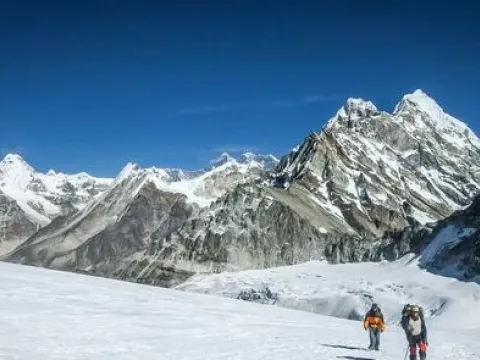
Mera Peak Climbing is one of Nepal’s most rewarding Himalayan climbing adventures, combining a remote high-altitude trek with the experience of ascending a 6,000-meter-class Himalayan summit. Organized by Trail Mania Trek, this 18-day itinerary begins with arrival in Kathmandu and includes sightseeing, trek preparation, a scenic flight to Lukla, and a gradual approach through the quieter valleys of the Khumbu region. The route passes through Paiya, Panggom, Ningsow, Chhatra Khola, Kothe, Thaknak, and Khare before the climbing phase begins. The itinerary is designed to provide progressive acclimatization rather than rushing directly toward the summit.The major objective is the ascent of Mera Peak, with the itinerary reaching Mera High Camp at approximately 5,780m before the summit attempt at around 6,461m. The summit day is physically demanding and requires an early start, appropriate mountaineering equipment, strong fitness, and careful attention to altitude. After the summit attempt, the journey returns through Kothe and Thuli Kharka before crossing the approximately 4,600m Zatrwa La Pass and reaching Lukla. A dedicated contingency day is also included, providing flexibility in case weather or mountain conditions affect the summit schedule. Government tourism information lists Mera Peak among Nepal’s recognized climbing peaks in the Khumbu/Sagarmatha region.18-day Mera Peak climbing itinerary.Scenic Kathmandu–Lukla–Kathmandu flights.Remote Hinku Valley trekking experience.Acclimatization at Thaknak and Khare.Pre-climb training at Khare.Mera High Camp and summit attempt.Reserve day for weather or other contingencies.Descent through Thuli Kharka and Zatrwa La.For travelers looking for a genuine Himalayan climbing experience away from the busiest trekking routes, Mera Peak offers an excellent combination of adventure, mountain scenery, Sherpa culture, and high-altitude challenge. With Trail Mania Trek, the itinerary can be supported by experienced guides and carefully planned logistics from Kathmandu through the trek and climbing stages.Best Season for Mera Peak ClimbingChoosing the right season is extremely important for a successful Mera Peak expedition. The two principal climbing periods are spring, from March to May, and autumn, from September to November. These seasons generally offer better trekking and climbing conditions, with comparatively stable weather, clearer mountain views, and favorable visibility. Spring brings warmer conditions at lower elevations and gradually improving mountain weather, while autumn follows the monsoon and is often appreciated for clear skies and crisp Himalayan panoramas. For this reason, Trail Mania Trek generally recommends spring and autumn for climbers seeking a balance between weather, trail conditions, and mountain visibility.The timing of the summit attempt can influence the overall experience considerably. At elevations above 5,000m, conditions can change quickly, and even during the preferred seasons, snowfall, strong winds, cloud, or freezing temperatures can affect the climbing schedule. The itinerary therefore includes a reserve day after the planned summit day. This flexibility is particularly useful because the team may need to adjust the climbing plan according to actual mountain and weather conditions rather than following the calendar rigidly.Seasonal considerations include:Spring (March–May): Excellent period for climbing and mountain views.Autumn (September–November): Generally stable weather and clear visibility.Winter (December–February): Much colder, with potentially challenging snow and wind.Summer/Monsoon (June–August): Wetter lower trails and more unpredictable conditions.Reserve day: Helps accommodate weather-related summit delays.Current Nepal mountaineering fee schedules also distinguish spring, autumn, summer, and winter seasons, so the climbing season can affect both practical planning and permit costs. The government’s current mountain royalty framework has been revised in recent years, making it important to verify applicable fees before departure.With Trail Mania Trek, travelers can select departure dates according to their preferred season, available time, and climbing experience. Regardless of season, the final decision to proceed toward the summit should always be based on the guide’s assessment of weather, route, snow conditions, and the climber’s health and acclimatization.Mera Peak Climbing Difficulty and TransportationMera Peak Climbing is generally considered a challenging high-altitude adventure rather than a conventional trekking holiday. Although the standard route does not normally involve highly technical mountaineering throughout the entire journey, the altitude makes the expedition demanding. The itinerary reaches more than 6,400m, and climbers must cope with cold temperatures, reduced oxygen, long walking days, steep terrain, and the physical demands of summit day. The approach itself includes several substantial trekking stages, including the 7–8-hour walk from Ningsow to Chhatra Khola and the 6–7-hour journey from Chhatra Khola to Kothe.Acclimatization is one of the most important components of this itinerary. The gradual progression from Kathmandu at approximately 1,400m to Khare at around 5,045m gives the body time to adapt to increasing elevation. Day 10 is reserved for acclimatization and pre-climb training, allowing participants to rest while also practicing essential climbing skills. Depending on conditions and the team's plan, training can cover crampon use, ice-axe techniques, rope movement, climbing techniques, and safe movement on snow and ice. The summit day from Mera High Camp is particularly demanding and should never be underestimated.Difficulty and transportation highlights:High-altitude trekking up to approximately 6,461m.Several 5–8-hour trekking days.Gradual acclimatization through the Hinku Valley.Technical training before the summit attempt.Early-morning summit departure.Domestic flights between Kathmandu and Lukla.Trekking and climbing sections completed on foot.Weather-dependent flexibility for Lukla flights.Transportation begins with the flight from Kathmandu to Lukla, followed by trekking through the remote mountain settlements. The return follows the trekking route toward Lukla before the scheduled flight back to Kathmandu. Since Lukla flights can be affected by weather, Trail Mania Trek builds practical flexibility into the logistics and maintains communication regarding flight schedules and mountain conditions. Climbers should also understand that transportation in the Himalayas is weather-dependent and schedules can occasionally change.Food and Accommodation for Mera Peak ClimbingFood and accommodation are important parts of maintaining energy and comfort during a Mera Peak expedition. Throughout the trekking route, accommodation is generally provided in local teahouses or trekking lodges, where travelers can experience the hospitality and culture of Himalayan communities. As the route moves deeper into the remote Hinku Valley and toward higher elevations, facilities become increasingly basic. At higher camps, particularly around Mera High Camp, accommodation is typically arranged in tents because permanent lodge infrastructure is limited or unavailable. Trail Mania Trek coordinates the necessary camping arrangements for the climbing section according to the expedition plan and prevailing conditions.Meals on the trekking section generally focus on nutritious, filling foods suitable for long walking days. Typical options may include dal bhat, rice, noodles, pasta, potatoes, soups, vegetables, eggs, bread, Tibetan-style dishes, and other simple meals available at local lodges. At higher elevations, maintaining sufficient calorie and fluid intake becomes increasingly important. Climbers should drink regularly and eat even when appetite decreases because the combination of cold, altitude, and strenuous activity can significantly increase energy requirements.Food and accommodation generally focus on:Local teahouse or lodge accommodation during trekking.Tent-based camping for the high-altitude climbing section.Dal bhat and other carbohydrate-rich meals.Rice, noodles, pasta, potatoes, soup, and vegetables.Breakfast, lunch, and dinner during the organized trek.Hot drinks and hydration opportunities where available.Sleeping bags and appropriate cold-weather equipment.Basic but practical facilities at remote mountain settlements.Accommodation becomes progressively more basic as altitude increases, so climbers should approach the expedition with realistic expectations. The purpose of the high-altitude camps is safety, acclimatization, and summit preparation rather than luxury. Trail Mania Trek can help participants understand what facilities are available at each stage and what personal equipment they should bring.Because food availability can vary according to location, weather, and supply conditions, climbers should also carry suitable snacks such as energy bars, dried fruit, chocolate, nuts, or other lightweight high-energy foods. Proper nutrition, hydration, rest, and sensible pacing all contribute to better performance during the summit attempt.Mera Peak Climbing PermitsMera Peak Climbing requires proper authorization and permits before entering the climbing phase. Permit requirements can depend on the current regulations, route, nationality, and season, so travelers should not rely on outdated permit information found online. Nepal’s Ministry of Culture, Tourism and Civil Aviation is responsible for policies and regulations relating to mountaineering, trekking, and tourism fees, while the Nepal Mountaineering Association (NMA) administers permits for designated trekking peaks.For Mera Peak, the principal climbing authorization is the applicable Mera Peak climbing permit, along with the required protected-area/trekking and local entry permissions for the selected route. Current published fee information following the September 2025 revision places Mera Peak in the under-6,500m category, with a foreign climber royalty of US$350 in spring and US$175 in autumn, winter, and summer. Because government fees and administrative requirements can change, Trail Mania Trek should verify the latest applicable rates and documentation when processing a client’s permit.Important permit considerations include:Mera Peak climbing authorization.Required national park/protected-area entry permit.Applicable local-area or municipal permit.Passport and required personal documentation.Seasonal climbing royalty.Any required expedition or garbage-management provisions.Verification of current regulations before departure.For international climbers, it is particularly useful to have a professional trekking agency handle the paperwork because several documents may need to be coordinated before and during the expedition. Trail Mania Trek can arrange the necessary permits and help ensure that the expedition follows current Nepalese regulations. The government continues to publish directives and notices concerning mountain climbing and tourism administration, so permit information should always be checked against the latest official requirements.Permit fees are only one part of the overall expedition budget. Travelers should also consider accommodation, meals, domestic flights, guide and porter services, climbing equipment, insurance, personal expenses, and possible contingency costs. Confirming exactly what is included in the package before booking helps avoid unexpected expenses.Why Choose Mera Peak Climbing with Trail Mania TrekChoosing Mera Peak Climbing with Trail Mania Trek provides an opportunity to experience Nepal’s Himalayan landscapes through a structured combination of trekking and mountaineering. The 18-day itinerary is designed to progress gradually from Kathmandu to Lukla, through the remote Hinku Valley, and finally to the high-altitude climbing environment around Khare and Mera High Camp. Rather than treating the summit as an isolated objective, the program incorporates acclimatization, preparation, training, and a reserve day, all of which are important components of a responsible high-altitude expedition.One of the strongest attractions of this itinerary is its balance between adventure and cultural experience. The journey passes through mountain settlements such as Paiya, Panggom, Ningsow, Kothe, Thaknak, and Khare, allowing travelers to experience the quieter side of the Everest-region Himalayas. The return route through Thuli Kharka and over Zatrwa La adds another scenic dimension to the expedition. Along the way, trekkers can enjoy dramatic Himalayan landscapes, forests, valleys, ridges, and views of surrounding peaks while gradually adapting to the altitude.Reasons to choose Trail Mania Trek include:Carefully structured 18-day itinerary.Gradual altitude progression.Dedicated acclimatization day at Khare.Pre-climb training before the summit attempt.Reserve day for weather or unforeseen delays.Support with permits and expedition logistics.Experienced trekking and climbing support.Focus on safety, responsible trekking, and local experience.Combination of trekking, culture, and Himalayan climbing.Mera Peak is also an attractive objective for adventurous trekkers who want to move beyond standard Himalayan trekking and gain experience at high altitude. However, it should not be considered an easy walk simply because it is categorized as a trekking peak. The summit at more than 6,400m presents genuine altitude and environmental challenges, making preparation and professional support essential.With Trail Mania Trek, the goal is to make the expedition organized, practical, and memorable while respecting the realities of high-altitude travel. From Kathmandu preparation and Lukla logistics to acclimatization, climbing preparation, summit planning, and the return to Lukla, every stage contributes to the overall experience. Mera Peak Climbing is ultimately more than reaching a summit—it is an opportunity to challenge yourself, explore a remote Himalayan landscape, and create a meaningful mountain adventure in Nepal.
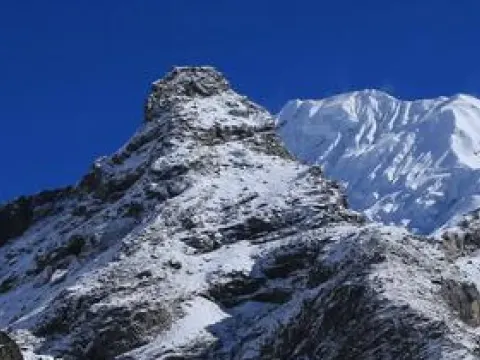
Lobuche Peak Climbing with Trail Mania Trek is an exciting Himalayan adventure that combines the classic Everest Base Camp trekking route with the challenge of reaching a 6,119-meter summit. The itinerary provided takes you from Kathmandu through Lukla, Phakding, Namche Bazaar, Tengboche, Dingboche, Lobuche, and Gorak Shep, allowing gradual acclimatization before the climbing phase. You will visit Everest Base Camp and Kala Patthar before returning to Lobuche for the high-camp and summit preparation. Lobuche East is the commonly climbed summit and is classified as a trekking peak, although the climb itself involves genuine mountaineering skills, including glacier travel, crampon use, fixed ropes and steep snow or ice sections.Trail Mania Trek designs the journey to balance trekking, acclimatization and climbing. The acclimatization days at Namche and Dingboche are particularly important because the itinerary reaches elevations above 5,000 meters before the summit attempt. After the summit, the route descends through Pangboche and Namche before returning to Lukla for the flight to Kathmandu. The summit offers exceptional views of Everest, Lhotse, Nuptse, Ama Dablam, Pumori and the surrounding Khumbu landscape.Summit Lobuche East at approximately 6,119 meters.Trek through the famous Everest region.Visit Everest Base Camp and Kala Patthar.Experience Sherpa villages, monasteries, and Himalayan culture.Learn and apply basic mountaineering techniques.Enjoy panoramic views of the world's highest mountain region.Best Season for Lobuche Peak ClimbingThe best seasons for Lobuche Peak Climbing with Trail Mania Trek are generally spring and autumn, when Himalayan weather is more favorable for trekking and climbing. Spring, particularly April and May, offers comparatively stable conditions, longer daylight hours, and generally good visibility. The post-winter period can also provide suitable snow conditions for climbing, while temperatures are usually more manageable than during the coldest winter months. These characteristics make spring one of the preferred periods for attempting a 6,000-meter Himalayan peak.Autumn, especially October and November, is another excellent period. After the summer monsoon, the atmosphere often becomes clearer, giving trekkers spectacular views of Everest and the surrounding peaks. Trails are generally drier, and mountain visibility can be excellent. Trail Mania Trek can plan the itinerary around the preferred climbing window while allowing flexibility for mountain weather. Although climbing can technically be organized outside the main seasons, winter brings extreme cold and shorter days, while the monsoon period can bring rain at lower elevations and less predictable mountain conditions. The main seasonal advantages are:Spring: March to May, with April and May particularly favorable.Autumn: September to November, with October and November especially popular.Clearer mountain views during the main trekking seasons.Better conditions for trekking and summit preparation.Longer daylight in spring helps during climbing activities.Weather and route conditions should always be assessed locally before the summit attempt.Lobuche Peak Climbing Difficulty and TransportationLobuche Peak is a demanding Himalayan climbing objective rather than an ordinary trekking destination. Although Lobuche East is officially categorized as a trekking peak, the ascent can involve steep snow and ice, mixed rock terrain, fixed ropes, crampons, an ice axe, and exposure on higher sections. The summit push can be physically demanding because climbers are operating at elevations approaching 6,119 meters. Previous high-altitude trekking or climbing experience is beneficial, while good cardiovascular fitness, endurance and familiarity with basic mountaineering techniques are strongly recommended.The transportation component begins with a flight from Kathmandu to Lukla, the principal gateway to the Everest region. From Lukla, the journey continues primarily on foot through Phakding, Namche Bazaar, Tengboche, Dingboche and Lobuche. There are no conventional road connections along the main trekking route, so trekking, porter support and local logistics are essential. After completing the climb, you descend to Lukla and take a return flight to Kathmandu. Trail Mania Trek coordinates the transportation arrangements and trekking logistics as part of the overall expedition planning.Important difficulty and transportation considerations:High-altitude trekking and climbing experience is advantageous.Strong physical fitness and endurance are required.Crampon and fixed-rope skills are important for the summit section.Kathmandu–Lukla flights can be affected by mountain weather.Most movement beyond Lukla is on foot.A flexible schedule is valuable because Himalayan conditions can change quickly.Food and Accommodation for Lobuche Peak ClimbingFood and accommodation are important parts of maintaining energy throughout the Lobuche Peak adventure. During the trekking section, Trail Mania Trek generally organizes accommodation in comfortable local teahouses or lodges along the Everest route. Facilities become increasingly basic as altitude increases, particularly around Lobuche and the climbing camps. In the lower villages, trekkers can usually expect dining rooms, shared facilities and a range of traditional and international meals, while higher elevations have fewer choices and more basic amenities.Meals should provide sufficient carbohydrates, protein and calories for long trekking days and the summit attempt. Common trekking foods include dal bhat, rice, vegetables, noodles, pasta, potatoes, soups, eggs, bread and other simple dishes. Hot drinks such as tea and coffee are also commonly available. During the climbing phase, camping arrangements may be required at Base Camp or High Camp, depending on the exact operational plan. At these higher camps, meals are prepared by the climbing support team and focus on easily digestible, energy-rich foods. Similar Lobuche itineraries commonly use a combination of hotel, teahouse and camping accommodation. Typical arrangements include:Kathmandu: comfortable hotel accommodation.Trekking route: teahouses or mountain lodges.Higher climbing section: tented/camp accommodation where required.Breakfast, lunch and dinner during trekking and climbing days.Dal bhat and other nutritious local meals.Hot drinks and hydration support at available lodges and camps.Food arrangements adapted to the demanding summit day.Lobuche Peak Climbing PermitsLobuche Peak Climbing requires the appropriate climbing and trekking permissions before entering the climbing route. For Lobuche East, the peak-specific permit is associated with the Nepal Mountaineering Association (NMA), while trekkers also need the permits applicable to the Everest/Khumbu region. Current sources identify the NMA peak permit, Sagarmatha National Park entry permit, and the Khumbu Pasang Lhamu Rural Municipality permit among the principal permissions used for this journey.Permit fees and regulations can change according to season and government or regulatory decisions, so Trail Mania Trek can arrange and verify the required documentation before departure. Current published 2026 information lists different NMA peak-permit rates according to season, with spring carrying a higher fee than autumn and the off-season. Because regulations and charges can change, travelers should confirm the final permit costs and inclusions with Trail Mania Trek when booking rather than relying on older figures. Common permit requirements include:NMA permit for Lobuche East climbing.Sagarmatha National Park entry permit.Khumbu Pasang Lhamu Rural Municipality permit.Required trekking and climbing documentation.Properly registered trekking/climbing agency arrangements.Permit verification before beginning the climbing phase.Why Choose Lobuche Peak Climbing with Trail Mania TrekChoosing Lobuche Peak Climbing with Trail Mania Trek gives adventure travelers an opportunity to combine the iconic Everest Base Camp experience with a genuine Himalayan climbing objective. Instead of simply trekking to Base Camp, the itinerary continues toward a 6,000-meter summit, creating a more challenging and rewarding expedition. The route also incorporates acclimatization at Namche Bazaar and Dingboche, followed by Everest Base Camp and Kala Patthar before the climbing phase. This progressive approach helps climbers become accustomed to increasing altitude before attempting the summit.Another major attraction is the variety of experiences included in one journey. You experience Lukla's mountain environment, Sherpa settlements, Buddhist monasteries, the Khumbu Glacier landscape, Everest Base Camp and the spectacular summit panorama from Lobuche East. Trail Mania Trek can support the practical aspects of the journey, including trekking logistics, accommodation, meals, permits, transportation arrangements and climbing coordination. The summit, however, is always dependent on weather, snow conditions, individual health, acclimatization and the professional team's safety assessment; no responsible operator can guarantee a summit.Reasons to choose this adventure include:Combination of Everest Base Camp trekking and peak climbing.Summit objective at approximately 6,119 meters.Carefully structured acclimatization itinerary.Experience of authentic Khumbu and Sherpa culture.Outstanding views of Everest and neighboring Himalayan peaks.Professional logistical support from Trail Mania Trek.A challenging progression from trekking into mountaineering.An unforgettable Himalayan adventure designed for properly prepared climbers
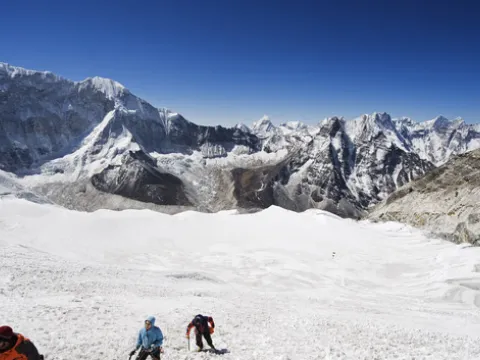
Island Peak Climbing is one of Nepal’s most popular Himalayan climbing adventures, combining the classic Everest region trekking experience with an exciting introduction to high-altitude mountaineering. Known locally as Imja Tse, Island Peak rises to 6,189 m (20,305 ft) and offers spectacular views of Lhotse, Nuptse, Ama Dablam, Makalu, and other Himalayan giants. The itinerary you provided is designed as an extended 18-day journey, allowing trekkers to acclimatize gradually while exploring the Everest region before attempting the summit.The journey begins in Kathmandu and continues with a flight to Lukla, followed by trekking through Phakding, Namche Bazaar, Tengboche, Dingboche, Lobuche, and Gorakshep. After experiencing Kala Patthar, the route crosses Khongma La Pass toward Chhukung before heading to Island Peak Base Camp. The summit day is the major highlight, followed by a descent through Pangboche and Namche Bazaar to Lukla.Maximum climbing altitude: 6,189 m / 20,305 ftTrekking region: Everest / KhumbuMajor highlights: Kala Patthar, Khongma La, and Island Peak SummitStarting point: LuklaSummit objective: Island Peak (Imja Tse)Recommended for: Experienced trekkers and aspiring climbersWith Trail Mania Trek, climbers can undertake the journey with planned acclimatization, experienced guides, logistical support, and appropriate preparation for the summit attempt.Best Season for Island Peak ClimbingThe best seasons for Island Peak Climbing are generally spring (March to May) and autumn (September to November). During these periods, the weather in the Everest region is comparatively stable, visibility is usually excellent, and temperatures are more favorable for high-altitude trekking and climbing. Spring is particularly attractive because the surrounding hills and lower valleys can be colorful with blooming rhododendrons, while autumn generally provides crisp mountain views and stable trekking conditions.Winter can bring very cold temperatures, snowfall, and challenging conditions at higher elevations, while the monsoon months of June through August can produce rain, clouds, muddy trails, and flight disruptions around Lukla. However, experienced climbers with suitable equipment and flexibility may still consider less conventional seasons depending on current mountain conditions.Spring: March to MayAutumn: September to NovemberWinter: Very cold and potentially snowyMonsoon: Wet conditions and reduced visibilityBest climbing conditions: Stable weather and good mountain visibilityTrail Mania Trek can help select an appropriate departure period according to weather patterns, route conditions, climbing experience, and the desired trekking experience.Island Peak Climbing Difficulty and TransportationIsland Peak Climbing is considered a challenging high-altitude adventure rather than an ordinary trekking trip. The route involves long walking days, significant elevation gain, steep terrain, and a demanding summit attempt above 6,000 meters. Prior trekking experience at high altitude is strongly recommended. The summit section can involve snow and ice, fixed ropes, crampons, harnesses, and basic mountaineering techniques, depending on conditions.Transportation is also an important part of the expedition. The standard route starts with a flight from Kathmandu to Lukla, followed by trekking through the Khumbu Valley. After completing the climbing and trekking section, the group returns to Lukla for the flight back to Kathmandu. Lukla flights are highly dependent on weather and operational conditions, so some flexibility should be maintained in the itinerary.Kathmandu–Lukla: Domestic mountain flightLukla–Kathmandu: Return domestic flightMain transportation during trek: WalkingSummit equipment: Depending on route and conditionsDifficulty: Challenging / technical high-altitude climbImportant preparation: Endurance, acclimatization, and climbing skillsTrail Mania Trek's guides can provide guidance on pacing, acclimatization, technical preparation, and summit-day procedures to help climbers approach the mountain safely and confidently.Food and Accommodation for Island Peak ClimbingFood and accommodation on the Island Peak route are primarily provided through teahouses and lodges during the trekking portion. Meals generally include familiar Nepali and Himalayan trekking foods such as dal bhat, rice, noodles, pasta, soup, potatoes, vegetables, eggs, bread, and other simple dishes. As altitude increases, maintaining adequate hydration and consuming enough carbohydrates and calories becomes increasingly important.Accommodation becomes progressively more basic as the route moves toward the higher elevations. In Namche Bazaar and other major villages, trekkers can usually find comfortable teahouse rooms and dining facilities. At higher locations such as Lobuche, Gorakshep, and Island Peak Base Camp, facilities are more limited. The base-camp experience generally involves expedition-style camping or arrangements appropriate to the climbing program.Teahouse accommodation during most trekking daysCamping/expedition arrangements around climbing areasDal bhat and rice-based mealsNoodles, pasta, soup, potatoes, eggs, and vegetablesHot drinks and drinking-water optionsBasic facilities at higher elevationsTrail Mania Trek organizes the accommodation and meal arrangements according to the itinerary and local availability, while climbers should remain prepared for increasingly simple facilities as they approach Island Peak.Island Peak Climbing PermitsIsland Peak Climbing requires several permits and official permissions because the route passes through the Everest region and involves climbing a designated Himalayan peak. The exact requirements and fees can change according to Nepal's regulations, season, and applicable local authorities. Climbers should therefore confirm the current requirements before departure.For an itinerary such as this, required documentation can include an Island Peak climbing permit, Everest region conservation-area documentation, and applicable local entry permits. Depending on the current regulations and route, additional administrative requirements may apply. A reputable trekking company can handle much of the permit processing on behalf of the climbing group.Island Peak climbing permitSagarmatha National Park entry permitKhumbu Pasang Lhamu Rural Municipality permitRequired trekking/climbing documentationGuide and expedition administrationCurrent government and local feesTrail Mania Trek can assist with the permit process and related administrative arrangements so climbers can concentrate more on preparation, acclimatization, and the climbing experience.Why Choose Island Peak Climbing with Trail Mania TrekChoosing Island Peak means experiencing much more than a mountain summit. The journey combines the cultural atmosphere of the Khumbu, legendary Everest-region trails, spectacular Himalayan scenery, high-altitude acclimatization, and a genuine mountaineering challenge. Reaching Island Peak Base Camp and progressing toward the summit provides trekkers with an opportunity to develop practical climbing experience while surrounded by some of the world's most impressive mountains.Trail Mania Trek is a suitable choice for travelers looking for organized trekking and climbing support throughout the expedition. The company can coordinate transportation, permits, accommodation, meals, guides, climbing logistics, and itinerary management. The carefully staged itinerary with acclimatization days in Namche Bazaar and Dingboche and time for the Everest-region approach also allows climbers to adapt gradually to increasing altitude.Experienced trekking and climbing supportStructured acclimatization itineraryPermit and logistics assistanceAccommodation and meal coordinationLukla flight arrangementsHigh-altitude trekking guidanceIsland Peak summit supportFocus on responsible and well-organized adventureFor climbers seeking a demanding but rewarding introduction to Himalayan mountaineering, Island Peak Climbing with Trail Mania Trek offers a memorable combination of trekking, cultural exploration, high-altitude adventure, and summit achievement.
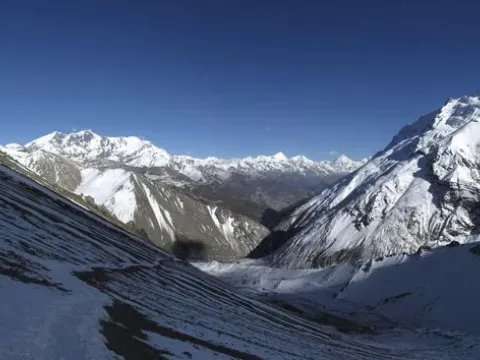
Pisang Peak Climbing is an exciting Himalayan adventure that combines the famous Annapurna Circuit trekking experience with the challenge of climbing a 6,091-meter (19,985-foot) Himalayan peak. Organized by Trail Mania Trek, this 18-day journey begins in Kathmandu and follows the scenic route through Jagat, Dharapani, Chame, and Upper Pisang before reaching Pisang Peak Base Camp. The itinerary is designed to provide gradual altitude gain, preparation, acclimatization, and a dedicated summit attempt.The journey offers a remarkable variety of landscapes, from green valleys and forests to high-altitude alpine terrain, while also providing opportunities to experience traditional Himalayan villages and local culture. After the summit attempt, the adventure continues toward Manang, Yak Kharka, Thorong Phedi, and the spectacular Thorong La Pass at 5,416 meters. The trek then descends toward Muktinath and Jomsom before flying to Pokhara and returning to Kathmandu.Duration: 18 daysPisang Peak elevation: 6,091m / 19,985ftPisang Peak Base Camp: 4,380mHigh Camp: 5,400mThorong La Pass: 5,416mHighest point: Pisang Peak summitCompany: Trail Mania TrekA major advantage of this itinerary is that climbers receive both preparation and acclimatization days in Upper Pisang before approaching the mountain. The training day allows the climbing team to prepare equipment and review essential techniques, while the acclimatization day helps the body adjust to the increasing elevation.For adventurous travelers, Pisang Peak provides an excellent opportunity to experience Himalayan peak climbing without making the expedition entirely separate from a classic trekking route. The combination of mountaineering, high-altitude trekking, cultural encounters, and spectacular mountain scenery makes this a memorable adventure with Trail Mania Trek.Best Season for Pisang Peak ClimbingThe best seasons for Pisang Peak Climbing are generally spring (March to May) and autumn (September to November). These months are favored because the weather in the Himalayas is usually more stable, mountain visibility is often excellent, and trekking conditions are generally more comfortable. Spring brings pleasant conditions at lower elevations and beautiful blooming vegetation, while autumn commonly provides crisp skies and impressive views of the surrounding Annapurna peaks.Weather conditions become increasingly important as the itinerary moves above 4,000 meters. The summit section at 6,091 meters can involve freezing temperatures, strong winds, snow, and rapidly changing conditions. Trail Mania Trek includes a contingency day in the itinerary, giving the climbing team some flexibility if weather or mountain conditions make the planned summit day unsuitable.Spring: March, April, and MayAutumn: September, October, and NovemberBest visibility: Often during autumnWinter: Extremely cold at higher elevationsMonsoon: Wet conditions can affect lower sectionsAlthough spring and autumn are considered the most suitable periods, Himalayan weather can never be guaranteed. Conditions should be evaluated locally before the summit attempt, and the climbing leader's judgment should take priority over a fixed schedule.Trail Mania Trek can help travelers select a suitable departure period according to their climbing experience, schedule, and preferred conditions. Choosing an appropriate season can improve trekking comfort and mountain visibility while increasing the possibility of having favorable conditions for the summit attempt.Pisang Peak Climbing Difficulty and TransportationPisang Peak Climbing is a challenging high-altitude adventure that requires good physical fitness, endurance, and mental preparation. The summit reaches 6,091 meters, and climbers must cope with low oxygen levels, cold temperatures, steep terrain, snow, and potentially unpredictable mountain weather. Previous experience with high-altitude trekking is strongly beneficial, while basic mountaineering knowledge can make the climbing experience more manageable.The itinerary allows time for preparation and acclimatization before the summit. After reaching Upper Pisang, climbers have a preparation and training day followed by an acclimatization day. The route then progresses to Base Camp at 4,380 meters and High Camp at 5,400 meters before the summit attempt. Depending on conditions, climbing equipment and techniques may include crampons, ropes, harnesses, ice axe use, and other mountaineering equipment.Difficulty: ChallengingSummit altitude: 6,091mHigh Camp: 5,400mTraining day: Upper PisangAcclimatization: Upper PisangContingency day: IncludedSummit day: Approximately Base Camp to summit and returnTransportation is an important part of the overall expedition. The adventure begins with a road journey from Kathmandu to Jagat, after which most of the journey is completed on foot. The trekking route passes through Dharapani, Chame, Upper Pisang, Pisang Peak Base Camp, Manang, Yak Kharka, and Thorong Phedi.After crossing Thorong La Pass, the itinerary continues to Muktinath and Jomsom. From Jomsom, travelers fly to Pokhara and then travel by road from Pokhara to Kathmandu. Road and flight operations in mountainous regions can sometimes be affected by weather or local conditions, so flexibility is important. Trail Mania Trek coordinates the transportation arrangements according to the itinerary and prevailing conditions.Food and Accommodation for Pisang Peak ClimbingFood and accommodation play an important role in maintaining energy and recovering properly during a demanding high-altitude expedition. During the trekking sections of the journey, accommodation is generally provided in local teahouses or mountain lodges. These establishments offer basic but comfortable facilities, allowing trekkers to rest after long days on the trail.Meals along the Annapurna route commonly include traditional Nepali food as well as several familiar international dishes. Dal bhat, rice, lentils, vegetables, noodles, pasta, potatoes, soups, eggs, bread, and other locally available foods are common choices. Since higher-altitude settlements are more remote, food variety may become more limited as the trek approaches Base Camp and High Camp.Main meal: Dal bhat, rice, lentils, and vegetablesOther meals: Noodles, pasta, soup, potatoes, eggs, and breadAccommodation: Teahouses and mountain lodgesHigher camps: Basic camping-style arrangementsHydration: Essential throughout the trekAt Pisang Peak Base Camp and High Camp, facilities are considerably more basic than in the lower villages. Climbers should be prepared for cold nights, limited washing facilities, and simple sleeping arrangements. A good-quality sleeping bag and appropriate high-altitude clothing are essential for maintaining warmth and comfort.Trail Mania Trek can also assist with meal and accommodation arrangements throughout the expedition. Climbers should inform the company about dietary requirements before departure. Maintaining regular meals and adequate hydration is particularly important at altitude, where the body uses significant energy even when appetite may decrease.Pisang Peak Climbing PermitsPisang Peak Climbing requires appropriate permits and official documentation because the journey involves climbing a recognized Himalayan peak and trekking through the Annapurna region. The required documentation may include the Pisang Peak climbing permit, Annapurna Conservation Area documentation, and other applicable trekking or local registrations. Trail Mania Trek assists clients with the necessary permit arrangements as part of the expedition preparation.Permit requirements, fees, and regulations can change according to government policies, season, and other official considerations. Therefore, climbers should obtain current information before departure rather than relying on outdated permit details. Trail Mania Trek can help ensure that the required documentation is prepared according to the regulations applicable to the planned climbing season.Pisang Peak climbing permitAnnapurna Conservation Area permitRequired trekking registrationPassport or identification documentsOther applicable local permissionsCarrying the correct documentation throughout the trek is important because permits may be checked at different points along the route. Climbers should also follow conservation-area rules and respect local communities, cultural traditions, and environmental guidelines.Proper permitting contributes to responsible and regulated tourism in the Annapurna region. By arranging permits and expedition logistics in advance, Trail Mania Trek helps climbers avoid unnecessary administrative difficulties and concentrate on preparation, trekking, acclimatization, and the summit objective.Why Choose Pisang Peak Climbing with Trail Mania TrekChoosing Trail Mania Trek for Pisang Peak Climbing provides an opportunity to experience a challenging Himalayan summit while following a comprehensive itinerary through the Annapurna region. The 18-day program is structured with preparation, training, acclimatization, a summit attempt, and a contingency day. This gradual approach is important for adapting to altitude and preparing for the demanding conditions encountered above 5,000 meters.The adventure is also much more than a peak-climbing expedition. The route combines Pisang Peak with some of the most impressive sections of the Annapurna Circuit, including Manang Valley and Thorong La Pass. Travelers can experience dramatic mountain landscapes, traditional villages, Buddhist cultural influences, alpine scenery, and the contrasting environments found on both sides of the Annapurna range.18-day comprehensive itineraryPreparation and training dayDedicated acclimatization dayContingency day for the summitPisang Peak summit at 6,091mThorong La Pass crossingPermit and logistical assistanceProfessional trekking and climbing supportTrail Mania Trek focuses on organizing the practical elements of the journey, including transportation, accommodation, meals, permits, route planning, and climbing logistics. The preparation day in Upper Pisang provides an opportunity to review equipment and climbing procedures before entering the higher mountain environment.Ultimately, Pisang Peak Climbing with Trail Mania Trek is an ideal choice for adventurous travelers seeking a combination of Himalayan trekking and mountaineering. With proper preparation, suitable equipment, realistic expectations, appropriate acclimatization, and professional guidance, the journey offers the opportunity to reach a 6,091-meter summit while experiencing the spectacular landscapes and culture of the Annapurna region.
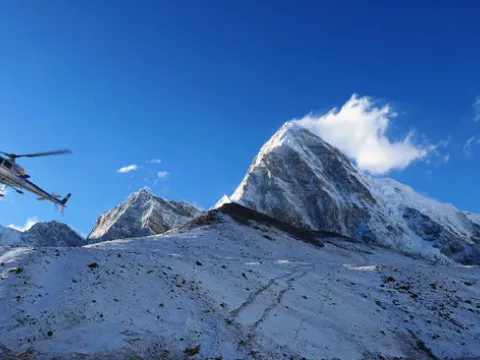
The Everest Base Camp Helicopter Tour with Trail Mania Trek is an exciting way to experience the legendary Everest region without committing to a long trekking itinerary. The journey begins early in the morning with a hotel pickup in Kathmandu, followed by a transfer to the domestic airport. After check-in, safety briefing, and flight preparations, the helicopter heads toward Lukla, the famous gateway to the Everest region. Along the way, passengers can enjoy impressive aerial views of green hills, deep valleys, traditional settlements, rivers, glaciers, and snow-covered Himalayan peaks.After a short refueling stop at Lukla, the helicopter continues toward the high Himalayas and makes a brief landing at Kala Patthar, situated at approximately 5,450 meters. This high-altitude viewpoint offers spectacular close-up scenery of Mount Everest and surrounding peaks. The tour then descends to Syangboche, where travelers can enjoy breakfast around the Everest View Hotel while taking in panoramic mountain views. Following breakfast, the helicopter returns via Lukla and flies back to Kathmandu, with hotel drop-off arranged by Trail Mania Trek.Early morning departure for clearer mountain visibilityScenic helicopter flight through the Everest regionShort landing at Kala Patthar for Himalayan views and photographyBreakfast stop around Everest View Hotel in SyangbocheReturn flight to Kathmandu with hotel transferIdeal for travelers with limited time for trekkingBest Season for Everest Base Camp Helicopter TourThe best seasons for an Everest Base Camp Helicopter Tour are generally spring and autumn, when the weather in the Everest region is often more favorable for mountain flights. Spring, particularly from March to May, brings relatively stable conditions, pleasant temperatures at lower elevations, and excellent opportunities to see the Himalayan peaks. The surrounding landscapes also become more attractive as vegetation begins to bloom in the lower parts of the region.Autumn, from September to November, is another highly recommended period for the helicopter tour. Following the summer monsoon, the atmosphere is often clearer, providing excellent visibility toward Mount Everest and other major Himalayan peaks. Winter can also offer clear mountain views, although temperatures are much colder and weather conditions can change rapidly. During the monsoon months of June to August, cloud, rain, and reduced visibility may cause flight delays or cancellations. Trail Mania Trek always prioritizes operational safety, so the actual itinerary depends on current weather and aviation conditions.Spring: March to May – pleasant conditions and excellent mountain sceneryAutumn: September to November – generally clear skies and strong visibilityWinter: December to February – cold but potentially clear mountain viewsMonsoon: June to August – greater possibility of clouds, rain, and flight disruptionMorning flights are generally preferred for mountain visibilityWhy Choose Everest Base Camp Helicopter TourChoosing an Everest Base Camp Helicopter Tour with Trail Mania Trek allows travelers to experience the grandeur of the Everest region within a single day rather than spending several days or weeks trekking to and from Base Camp. It is particularly suitable for visitors who have limited vacation time, travelers who are unable to undertake a demanding high-altitude trek, or anyone who wants to enjoy the Himalayas from a unique aerial perspective. The helicopter journey provides constantly changing scenery, from the Kathmandu Valley and green foothills to the rugged mountains and glaciers of the Khumbu.Another major advantage is the opportunity to experience both high-altitude Himalayan scenery and the cultural atmosphere of the Everest region. The landing at Kala Patthar provides an unforgettable perspective of Mount Everest, while the breakfast stop at Syangboche adds a relaxed element to the adventure. Trail Mania Trek assists with airport transfers, flight arrangements, safety briefings, and the overall itinerary, helping make the experience more convenient and organized. Weather and aviation conditions can affect the schedule, but safety remains the primary consideration throughout the journey.Save considerable time compared with a traditional Everest Base Camp trekEnjoy spectacular aerial views of the HimalayasExperience Mount Everest from the Kala Patthar viewpointVisit the Everest View Hotel area at SyangbocheSuitable for travelers with limited trekking timeComfortable alternative to a long high-altitude trekProfessional assistance and trip coordination from Trail Mania TrekA memorable way to experience the Everest region in a short itinerary
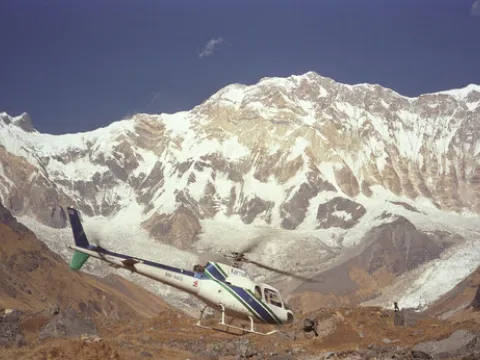
The Annapurna Base Camp Helicopter Tour with Trail Mania Trek is an ideal short Himalayan adventure for travelers who want to experience the breathtaking beauty of the Annapurna region without committing to a long trekking itinerary. The tour begins early in the morning with a convenient hotel pickup in Pokhara, followed by a transfer to Pokhara Airport. After a brief preparation and safety briefing, you board a helicopter and fly toward the spectacular Annapurna mountain range.The scenic flight itself is a major highlight of the experience. As the helicopter rises above Pokhara, you can enjoy incredible views of green hills, terraced farmland, traditional villages, deep valleys, glaciers, and snow-covered Himalayan peaks. After reaching Annapurna Base Camp, you have time to explore the magnificent surroundings, take photographs, enjoy a hearty breakfast, and appreciate the peaceful atmosphere of the Annapurna Sanctuary.After approximately 30 minutes at the base camp, the helicopter returns to Pokhara. The entire experience can be completed within a few hours, making it particularly suitable for travelers with limited time.Early morning hotel pickup from PokharaScenic helicopter flight to Annapurna Base CampBreathtaking views of the Annapurna massifTime for photography and explorationBreakfast surrounded by Himalayan sceneryComfortable return flight and hotel transferBest Season for Annapurna Base Camp Helicopter TourThe best seasons for the Annapurna Base Camp Helicopter Tour are generally spring (March to May) and autumn (September to November). During these months, the weather in the Annapurna region is usually more stable, with clearer skies and excellent mountain visibility. These conditions provide wonderful opportunities to see Annapurna, Machhapuchhre, Hiunchuli, and other surrounding peaks from the helicopter.Winter, particularly December to February, can also offer spectacular snow-covered landscapes, although cold temperatures and changing mountain weather may affect flight operations. The monsoon season from June to August brings more clouds, rain, and reduced visibility, so flights can be more weather-dependent. Trail Mania Trek carefully monitors weather and flight conditions to prioritize passenger safety.For the clearest mountain views, travelers should generally consider spring or autumn. However, helicopter flights remain subject to actual weather and aviation conditions, so the final decision to operate the flight depends on safety considerations.Spring: March to May, clear views and pleasant conditionsAutumn: September to November, generally excellent visibilityWinter: December to February, dramatic snowy landscapes but colder conditionsMonsoon: June to August, cloudy and rainy with less predictable visibilityWhy Choose Annapurna Base Camp Helicopter TourChoosing an Annapurna Base Camp Helicopter Tour is an excellent way to experience one of Nepal's most spectacular mountain destinations in a short period. Traditional trekking to Annapurna Base Camp requires several days of walking, while a helicopter tour allows you to reach the heart of the Annapurna region within a few hours. This makes the experience especially convenient for travelers who have limited vacation time or prefer not to undertake a physically demanding trek.With Trail Mania Trek, the journey is designed to be comfortable and convenient from beginning to end. Hotel pickup, airport transfer, helicopter arrangements, and return transportation are coordinated to create a smooth travel experience. At Annapurna Base Camp, you can enjoy magnificent Himalayan scenery, capture memorable photographs, and have breakfast surrounded by towering snow-covered mountains.The combination of convenience, spectacular aerial views, and a short stay at one of Nepal's most iconic mountain locations makes this tour a memorable Himalayan experience.Save several days compared with a traditional ABC trekEnjoy spectacular aerial views of the Annapurna regionReach Annapurna Base Camp quickly and comfortablyIdeal for travelers with limited timeEnjoy breakfast surrounded by Himalayan peaksConvenient pickup and drop-off in PokharaExperience the Annapurna Sanctuary without a long trekProfessional arrangements with Trail Mania Trek
Bhote Koshi Bungee Jumping is one of Nepal’s most thrilling adventure experiences, combining an exciting bungee jump with a scenic journey through the Himalayan foothills. Organized by Trail Mania Trek, this full-day adventure begins with an early-morning hotel pickup in Kathmandu. The drive follows the scenic Araniko Highway, passing terraced hills, traditional villages, lush forests, winding mountain roads, and beautiful river valleys before reaching the famous Bhote Koshi bungee jumping site after approximately three hours.At the bungee site, professional instructors provide a detailed safety briefing and carefully check your harness and other equipment before the jump. Standing on the suspension bridge above the roaring Bhote Koshi River, you will experience an unforgettable free fall surrounded by dramatic cliffs and spectacular natural scenery. After the jump, you can relax, enjoy lunch at the resort, take photographs, and appreciate the peaceful riverside environment before returning to Kathmandu in the late afternoon or early evening with Trail Mania Trek.Full-day adventure from KathmanduScenic drive along the Araniko HighwayProfessional safety briefing and equipment checksThrilling jump above the Bhote Koshi RiverTime for photographs and riverside relaxationLunch at the resort included as part of the experienceScenic return journey to KathmanduBest Season for Bhote Koshi Bungee JumpingThe best seasons for Bhote Koshi Bungee Jumping are generally spring and autumn, when Nepal enjoys pleasant weather, clearer skies, and excellent mountain visibility. Spring, particularly from March to May, brings comfortable temperatures and green landscapes, making the drive toward the Bhote Koshi region especially scenic. The favorable weather also creates enjoyable conditions for spending time outdoors and appreciating the surrounding Himalayan environment.Autumn, from September to November, is another excellent period for the adventure. Following the monsoon season, the skies are often clearer, and the surrounding hills and landscapes appear fresh and vibrant. Winter can also offer crisp weather and good visibility, although mornings may be colder. The monsoon months can bring heavier rainfall, wet roads, and less predictable conditions, so travelers should consider weather conditions when planning their trip with Trail Mania Trek.Spring: March to MayAutumn: September to NovemberPleasant outdoor conditions during the peak seasonsBetter chances of clear mountain and gorge viewsFresh, green scenery during springCrisp and generally clear conditions in autumnWeather conditions should always be considered before departureWhy Choose Bhote Koshi Bungee Jumping with Trail Mania TrekChoosing Bhote Koshi Bungee Jumping with Trail Mania Trek allows you to combine an adrenaline-filled adventure with a memorable journey through Nepal’s beautiful mountain landscapes. Instead of experiencing only the jump, the full-day trip includes transportation from Kathmandu, a scenic drive through rural landscapes, professional guidance at the bungee site, time to enjoy the surroundings, lunch, and a comfortable return journey. This makes the experience convenient as well as exciting.The dramatic Bhote Koshi gorge provides a spectacular natural setting for the jump. The combination of a suspension bridge, cliffs, rushing river, and Himalayan surroundings creates an experience that is both adventurous and visually impressive. With experienced instructors explaining the jumping process and checking the necessary equipment before the activity, travelers can focus on enjoying the excitement while following the established safety procedures. Trail Mania Trek helps make the overall day organized, memorable, and enjoyable for adventure seekers visiting Nepal.Thrilling adventure in a spectacular Himalayan settingConvenient Kathmandu hotel pickup and returnScenic journey through villages, hills, forests, and river valleysProfessional bungee instructors and safety orientationOpportunity to capture memorable photographsLunch and relaxation after the jumpSuitable for travelers seeking an exciting day trip from KathmanduOrganized experience with Trail Mania Trek
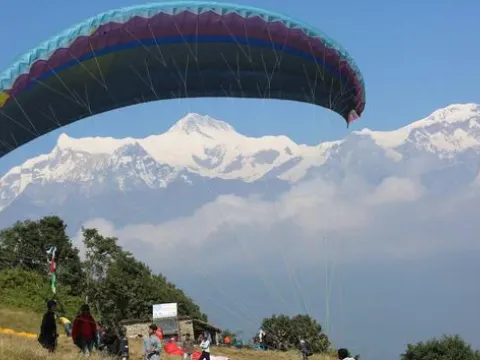
Paragliding in Pokhara is one of Nepal’s most exciting adventure experiences, offering travelers the opportunity to soar above the beautiful Pokhara Valley with the Himalayas as a spectacular backdrop. The adventure generally begins with a convenient morning pickup from your hotel by Trail Mania Trek, followed by a private drive of approximately 20–30 minutes to Sarangkot, one of Nepal’s most popular paragliding takeoff points. Along the way, you can enjoy views of green hills, terraced farmland, traditional villages, and the surrounding valley.At Sarangkot, you will meet your professionally trained tandem pilot, receive a detailed safety briefing, and prepare for your flight. Once weather conditions are suitable, you will take off and gently rise into the sky. A typical flight lasts around 30–45 minutes, depending on weather and flying conditions, allowing you to enjoy panoramic views of Annapurna, Machhapuchhre (Fishtail), Dhaulagiri, Lamjung Himal, Pokhara Valley, and Fewa Lake. After landing near Fewa Lake, Trail Mania Trek arranges transportation back to your hotel.Hotel pickup and return transportationScenic drive to SarangkotProfessional tandem paragliding pilotSafety briefing and flight preparationApproximately 30–45 minutes of flyingPanoramic Himalayan and valley viewsViews of Fewa Lake from the airOptional photographs and videos, depending on the packageBest Season for Paragliding in PokharaThe best seasons for paragliding in Pokhara are generally autumn and spring, when weather conditions are often favorable for clear mountain views and enjoyable flights. September to November is particularly attractive because the monsoon season has usually ended, leaving clearer skies and excellent visibility toward the Annapurna and Dhaulagiri ranges. During this period, travelers can enjoy the combination of pleasant weather and magnificent Himalayan scenery.Spring, especially March to May, is another popular period for the activity. The weather is generally comfortable, and the surrounding hills can be especially beautiful. However, paragliding is highly dependent on daily wind, cloud, and weather conditions, so the exact flight schedule may change for safety reasons. Trail Mania Trek coordinates with experienced pilots and conducts flights only when conditions are considered suitable.Seasonal highlights:Autumn (September–November): Clear skies and excellent mountain visibilitySpring (March–May): Pleasant temperatures and beautiful landscapesWinter (December–February): Can offer clear views but may be coolerMonsoon (June–August): Frequent rain and changing weather can affect flightsWhy Choose Paragliding in PokharaChoosing paragliding in Pokhara gives you a completely different perspective of Nepal’s natural beauty. Instead of viewing the Himalayas, hills, villages, and Fewa Lake from the ground, you can experience them from above while peacefully gliding through the sky with an experienced tandem pilot. The Sarangkot takeoff point provides an impressive setting, making the journey itself part of the overall adventure.With Trail Mania Trek, the experience is designed to be convenient and enjoyable from hotel pickup through the return journey. The professional pilot provides safety instructions and handles the technical aspects of the flight, allowing you to concentrate on the scenery and the excitement of flying. Whether you are an adventure enthusiast or trying paragliding for the first time, this experience combines breathtaking views, professional support, and an unforgettable aerial adventure over Pokhara.Reasons to choose Pokhara paragliding:Experience the thrill of flying over PokharaEnjoy spectacular Himalayan mountain viewsSee Fewa Lake and Pokhara Valley from the skyFly with an experienced tandem pilotSuitable for many first-time adventure travelersConvenient hotel pickup and return serviceCapture memorable photographs and videos when included in your packageCombine adventure with Nepal’s spectacular natural scenery
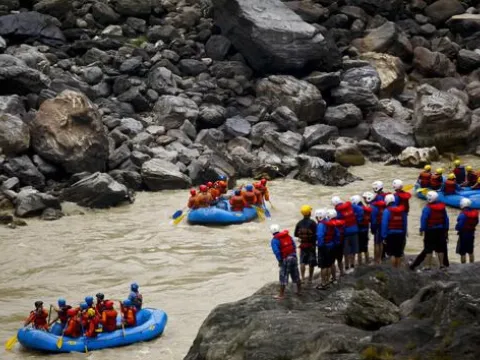
Trishuli River Rafting is one of Nepal’s most exciting and accessible white-water adventures, making it an excellent choice for travelers looking to experience the country’s natural beauty and thrilling river rapids in a single day. Organized by Trail Mania Trek, the adventure begins with an early-morning hotel pickup in Kathmandu, followed by a scenic 2–3-hour drive toward the Trishuli River. Along the way, travelers can enjoy views of traditional villages, terraced farmland, lush green hills, winding roads, and peaceful countryside.After reaching the river, experienced rafting guides from Trail Mania Trek provide a comprehensive safety briefing and help participants prepare with the necessary rafting equipment. The rafting journey then begins through exciting Class II–III rapids, combining adventurous waves with calmer stretches of water. Throughout the journey, participants can admire dramatic cliffs, forests, rocky landscapes, suspension bridges, and riverside settlements while enjoying the changing scenery.Early hotel pickup from KathmanduScenic 2–3-hour drive to the riverProfessional rafting guides and safety briefingExciting Class II–III rapidsScenic riverside picnic lunchChanging and refreshing facilities after raftingComfortable return journey to KathmanduA riverside stop provides time to enjoy a refreshing picnic lunch and appreciate the peaceful surroundings before continuing downstream. By late afternoon, the rafting experience comes to an end, and Trail Mania Trek arranges the return drive to Kathmandu. This combination of adventure, scenery, local landscapes, and convenient transportation makes Trishuli River Rafting an ideal one-day escape from the capital.Best Season for Trishuli River RaftingThe best seasons for Trishuli River Rafting are generally spring and autumn, when the weather is pleasant and conditions are suitable for enjoying the river and surrounding landscapes. Spring, particularly from March to May, brings warmer temperatures, clear or relatively clear days, and beautiful green scenery along the river corridor. It is a comfortable period for travelers who want to combine exciting rapids with sightseeing and outdoor exploration.Autumn, from September to November, is another excellent season for adventure. Following the monsoon, the surrounding hills and forests are lush, while the river can offer an energetic rafting experience. The generally favorable weather also makes the drive from Kathmandu more enjoyable. Trail Mania Trek’s experienced guides can help travelers understand the river conditions and prepare appropriately for the rafting experience.Spring: March to MayAutumn: September to NovemberPleasant outdoor conditions during favorable periodsLush landscapes and attractive river scenerySuitable conditions for an exciting rafting experienceThe monsoon months can bring significantly higher river levels and stronger currents, while winter can feel cooler, especially during the early morning and after getting wet. River conditions can vary throughout the year, so Trail Mania Trek assesses the conditions and provides appropriate guidance before the activity. Travelers should always follow the instructions of their professional rafting guides and use the supplied safety equipment.Why Choose Trishuli River RaftingChoosing Trishuli River Rafting with Trail Mania Trek offers an ideal balance between adventure and convenience. The river is relatively accessible from Kathmandu, allowing travelers to enjoy a genuine white-water rafting experience without committing to a multi-day expedition. The journey itself is also part of the experience, with scenic countryside, terraced fields, hills, villages, and river landscapes creating memorable views before and during the rafting adventure.The combination of Class II–III rapids and calmer river sections makes the experience particularly appealing to adventure seekers who want excitement while still having opportunities to enjoy the scenery. Professional guides provide safety instructions and rafting support throughout the activity, helping participants understand how to paddle and respond to river conditions.Convenient day trip from KathmanduExciting Class II–III white-water rapidsBeautiful Himalayan foothill sceneryProfessional and experienced rafting guidesScenic picnic break beside the riverSuitable for travelers seeking adventure and natureReturn to Kathmandu on the same dayAnother major advantage is that travelers can experience several aspects of Nepal in one adventure: rural landscapes, local villages, dramatic river scenery, and thrilling white-water action. With transportation, rafting guidance, safety preparation, and a riverside lunch stop incorporated into the experience, Trail Mania Trek provides a convenient and memorable way to explore the Trishuli River in a single day. It is an excellent option for visitors who want an energetic outdoor experience while keeping their Kathmandu itinerary flexible.