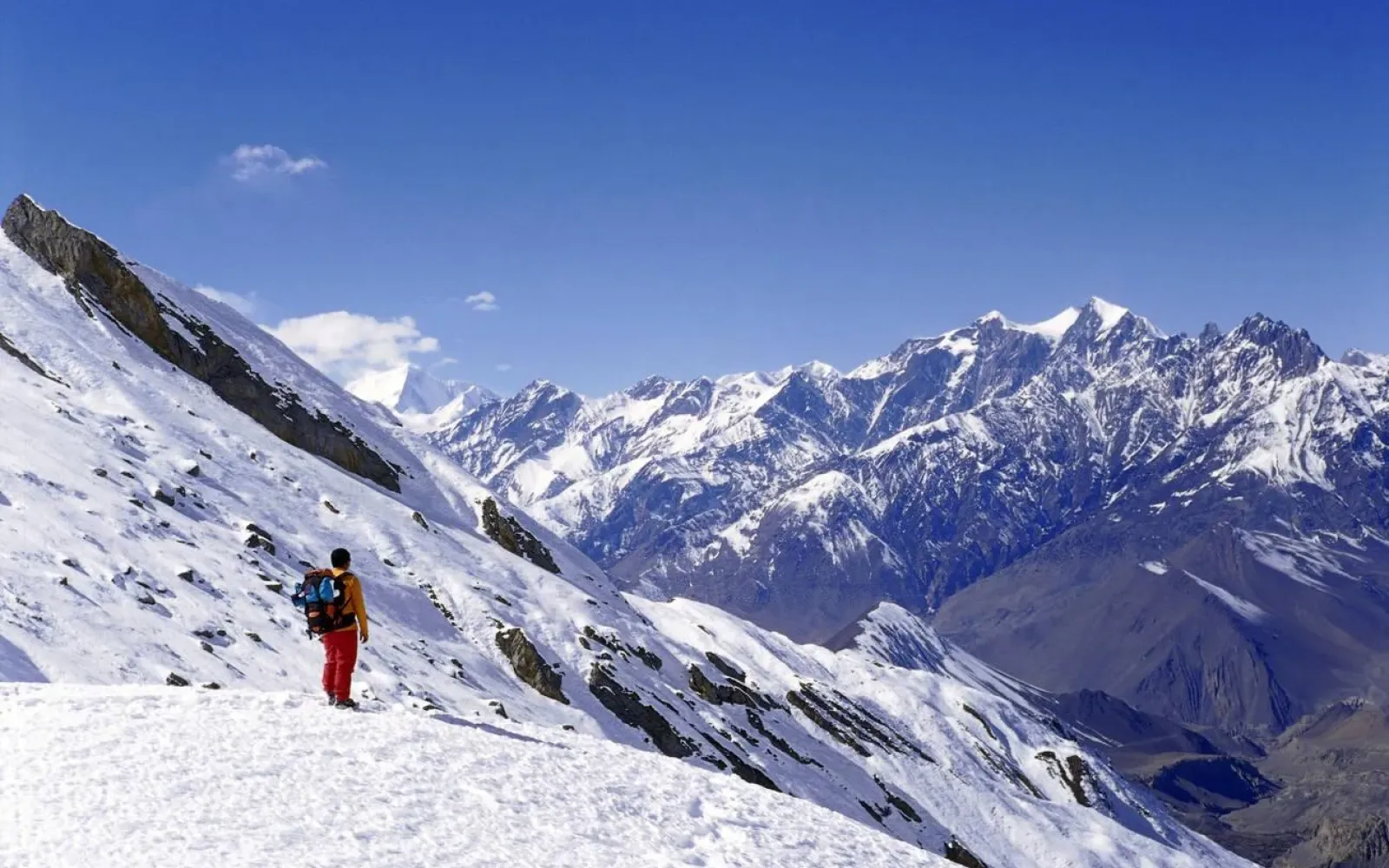
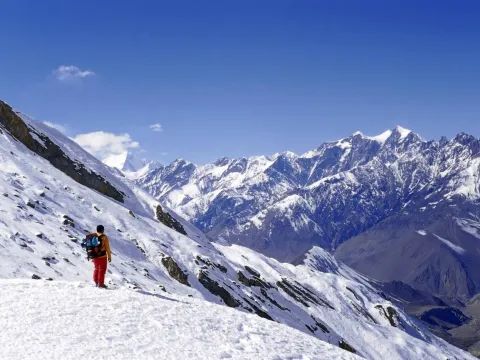
The Annapurna Circuit Trek in Nepal is one of the most rewarding trekking adventures in the Himalayas, offering an unforgettable combination of dramatic mountain scenery, traditional villages, diverse landscapes, and rich cultural experiences. Organized by Trail Mania Trek, this 17-day journey takes you through the heart of the Annapurna region, from the bustling streets of Kathmandu to peaceful Himalayan settlements, high mountain passes, and the beautiful lakeside city of Pokhara. Along the way, trekkers experience changing landscapes, from lush green valleys and terraced farmland to alpine forests, rocky mountain trails, and spectacular snow-covered peaks.
This carefully planned itinerary includes time for sightseeing, trekking, and acclimatization, helping travelers gradually adjust to increasing elevations. One of the major highlights is crossing Thorong La Pass, at approximately 5,416 meters, before descending toward the sacred pilgrimage destination of Muktinath. The journey continues through the Kali Gandaki region and the beautiful villages of the Annapurna foothills, providing a memorable combination of adventure, natural beauty, and cultural discovery.
The Annapurna Circuit Trek is a classic Himalayan trekking route that takes adventurers around the magnificent Annapurna mountain range. Known for its geographical diversity and cultural richness, the trek passes through subtropical valleys, pine and rhododendron forests, traditional Gurung and Manangi villages, and high-altitude landscapes shaped by the Himalayan climate. Throughout the journey, trekkers can enjoy breathtaking views of Annapurna, Dhaulagiri, Manaslu, and other remarkable mountain peaks, depending on the route and weather conditions.
With Trail Mania Trek, travelers can experience this legendary adventure through a thoughtfully arranged 17-day itinerary. The journey begins in Kathmandu with sightseeing and trek preparation before continuing by road to the starting region. As the trail climbs toward Manang and the challenging Thorong La Pass, the scenery and local traditions change noticeably. After crossing the pass and visiting Muktinath, the route continues through Tatopani, Ghorepani, Tadapani, and Ghandruk, creating a diverse trekking experience that combines high-altitude adventure with the warmth of traditional Himalayan communities.
The Annapurna Circuit is suitable for trekkers who have a reasonable level of fitness, enjoy walking for several hours a day, and are prepared for changing weather and high-altitude conditions. Previous trekking experience is beneficial, particularly for the higher sections, although individual suitability depends on fitness, preparation, and acclimatization.
What makes this trek special?
The Annapurna Circuit Trek is an excellent choice for travelers seeking more than just mountain views. It offers a journey through Nepal's natural and cultural diversity, allowing trekkers to experience the transition from green river valleys to rugged high-altitude terrain. Every stage brings something different, whether it is walking through a quiet village, observing prayer flags fluttering in the mountain wind, enjoying views of towering Himalayan peaks, or sharing a meal in a traditional teahouse.
Another reason to choose this trek is the opportunity to experience both adventure and cultural exploration in one itinerary. The trail passes through communities influenced by Tibetan Buddhist traditions, ancient trading routes, and Hindu pilgrimage heritage. Visiting Manang and Muktinath provides insight into the spiritual significance of the region, while the lower villages offer opportunities to appreciate traditional architecture, farming practices, and local hospitality.
Trail Mania Trek helps make the journey more organized by arranging the itinerary, transportation, accommodation, and trekking support according to the selected package. A well-planned itinerary is particularly important for a trek involving high elevations, long walking days, and a demanding mountain pass. The inclusion of an acclimatization day in Manang gives trekkers valuable time to rest and adjust before continuing toward higher elevations.
Top reasons to choose the Annapurna Circuit Trek:
Choosing the right season is essential for enjoying the Annapurna Circuit Trek safely and comfortably. Weather conditions, trail accessibility, visibility, and temperatures can vary significantly depending on the month and altitude. The most popular trekking seasons are spring and autumn, when conditions are generally favorable for walking and enjoying mountain views.
Spring, from March to May, is a beautiful time to explore the Annapurna region. Temperatures become more comfortable at lower elevations, rhododendron forests begin to bloom, and the trails offer a mixture of colorful landscapes and impressive mountain scenery. As the season progresses, higher elevations can still experience cold temperatures and changing weather, so proper clothing and preparation remain important.
Autumn, from September to November, is another excellent season for the trek. After the summer monsoon, the skies often become clearer, mountain views improve, and the weather is generally suitable for long trekking days. October is especially popular, although trails and accommodation can be busy during peak periods. Early autumn may still experience lingering monsoon rainfall, particularly in lower valleys.
Winter and monsoon trekking are possible in some circumstances, but they require additional caution. Winter can bring heavy snowfall, freezing temperatures, and difficult conditions around Thorong La Pass. During the monsoon, rain, clouds, landslides, and slippery trails can affect transportation and trekking plans. Trail Mania Trek recommends checking current weather, local trail conditions, and pass accessibility before departure.
Best seasons for the Annapurna Circuit Trek:
For most travelers, spring and autumn are the preferred choices. However, the best departure date depends on weather forecasts, the condition of Thorong La Pass, personal preferences, and the advice of experienced local guides.
The 17-day Annapurna Circuit Trek begins in Kathmandu, where travelers arrive, settle into their hotel, explore important cultural sites, and prepare for the journey. The adventure continues with a long drive toward Syange or Jagat, followed by trekking through traditional settlements such as Dharapani and Chame. As the route climbs higher, the landscape changes from green valleys and forested hills to dramatic mountain scenery, with increasingly impressive views of the Annapurna range.
The trail then leads to Pisang and Manang, two important stops on the northern section of the circuit. Manang is particularly significant because of its altitude and role in acclimatization. A rest day here allows trekkers to explore the surrounding area, take a gentle acclimatization walk, and prepare for the more demanding stages ahead. From Manang, the trail continues to Yak Kharka and Thorong Phedi, where trekkers prepare for the challenging crossing of Thorong La Pass.
After crossing Thorong La Pass, the route descends toward Muktinath, a sacred destination revered by both Hindus and Buddhists. The journey then continues by road to Tatopani, where trekkers can relax and enjoy the region's natural hot springs when conditions permit. The final trekking section climbs toward Ghorepani and continues to Tadapani and Ghandruk before reaching Nayapul and driving to Pokhara. The adventure concludes with a return drive to Kathmandu and final departure.
17-day Annapurna Circuit Trek itinerary:
The route combines demanding high-altitude trekking with lower-elevation village trails and road transfers. Walking hours are approximate and may vary with weather, trail conditions, acclimatization, and individual pace. Road travel can also take longer than expected, so flexibility is important.
Important route and safety note: The highest point is Thorong La Pass, at approximately 5,416 meters, rather than Thorong Phedi. The itinerary should allow adequate time for the crossing and account for weather and altitude-related risks. If symptoms of altitude illness develop, trekkers should not continue ascending and should seek appropriate medical assistance. The final Ghorepani–Tadapani–Ghandruk section should also be confirmed with Trail Mania Trek in advance, as trail connections and walking times can vary.
The Annapurna Circuit Trek offers a remarkable variety of experiences, making it one of Nepal's most memorable trekking adventures. Its greatest attraction is the combination of dramatic Himalayan scenery and authentic cultural encounters. From the busy streets and historic monuments of Kathmandu to the peaceful settlements of Manang and the sacred surroundings of Muktinath, the journey reveals many different sides of Nepal.
The crossing of Thorong La Pass is the defining highlight for many trekkers. Reaching the pass, surrounded by high mountain terrain and prayer flags, is a rewarding achievement that requires preparation, patience, and favorable conditions. The descent toward Muktinath brings a different atmosphere, with dry landscapes, striking mountain views, and opportunities to learn about the area's religious importance.
The trek also offers memorable experiences beyond the high mountains. Tatopani provides an opportunity to relax in natural hot springs, while Ghorepani and Tadapani are known for their forested trails and Himalayan viewpoints. Ghandruk, a traditional Gurung village, offers insight into local culture, architecture, and mountain life. Together, these destinations make the Annapurna Circuit more than a physical challenge: it is a journey through Nepal's landscapes, communities, and heritage.
Major highlights of the Annapurna Circuit Trek:
With Trail Mania Trek, the Annapurna Circuit Trek Nepal offers an opportunity to experience the Himalayas through a balanced combination of adventure, culture, and natural beauty. From the first day in Kathmandu to the final departure, each stage contributes to a memorable journey through Nepal's extraordinary mountain landscapes. Proper preparation, responsible trekking practices, and attention to acclimatization help travelers make the most of this rewarding Himalayan experience.
One of the most rewarding aspects of the Annapurna Circuit Trek Nepal is the opportunity to explore traditional Himalayan villages and experience the everyday lives of local communities. Throughout the journey, trekkers pass through settlements surrounded by terraced fields, flowing rivers, pine forests, and towering mountains. Each village has its own character, architecture, and cultural identity, offering a deeper understanding of life in the Annapurna region. With Trail Mania Trek, travelers can discover these beautiful communities while enjoying the natural scenery and hospitality that make trekking in Nepal so special.
Villages such as Dharapani, Chame, Pisang, and Manang provide opportunities to observe traditional stone houses, Buddhist prayer flags, monasteries, and local farming practices. As the trail continues toward Mustang and the Annapurna foothills, trekkers encounter different cultural influences and landscapes. Ghandruk is particularly well known for its Gurung heritage, traditional homes, and magnificent mountain surroundings. These village experiences make the trek more than a mountain adventure, connecting travelers with the people and traditions of the Himalayas.
Highlights of traditional village exploration:
Trail Mania Trek encourages responsible village visits, respectful photography, and support for local businesses. By purchasing locally prepared meals, staying in community-run lodges, and respecting local customs, trekkers can contribute positively to the communities that make the Annapurna Circuit such a memorable destination.
The Annapurna Circuit Trek offers a wonderful opportunity to discover Nepal's cultural diversity alongside its extraordinary mountain landscapes. The route passes through communities influenced by Hindu traditions, Tibetan Buddhism, and the distinct cultural heritage of Himalayan ethnic groups. Prayer wheels, colorful prayer flags, chortens, monasteries, and traditional homes are common sights along sections of the trail. These cultural features provide insight into the beliefs and customs that have shaped mountain life for generations.
In villages around Manang, trekkers can encounter strong Tibetan Buddhist influences reflected in religious monuments, architecture, and local practices. Further along the journey, Muktinath stands out as an important pilgrimage destination for both Hindus and Buddhists. In the lower Annapurna foothills, Gurung communities, particularly around Ghandruk, offer opportunities to appreciate traditional architecture, local hospitality, music, clothing, and community life. Cultural experiences vary from village to village, making each stage of the journey distinctive.
Traveling with Trail Mania Trek allows visitors to explore these cultural landscapes while learning about local customs and the significance of important sites. Trekkers are encouraged to approach temples, monasteries, and religious monuments with respect, follow local guidance, and ask permission before photographing residents or religious ceremonies.
Cultural experiences along the Annapurna Circuit include:
Cultural awareness is an important part of responsible trekking. Dressing modestly at religious sites, removing shoes where required, walking clockwise around Buddhist religious monuments when appropriate, and following local instructions can help ensure a respectful experience. Through thoughtful travel, the Annapurna Circuit becomes an opportunity to appreciate not only Nepal's mountains but also its living cultural heritage.
Thorong La Pass, at approximately 5,416 meters (17,769 feet) above sea level, is the highest point of the classic Annapurna Circuit Trek and one of its most memorable challenges. Reaching the pass requires physical preparation, mental determination, and careful attention to altitude and weather conditions. The trail typically begins the crossing from Thorong Phedi or, when conditions and acclimatization permit, the higher Thorong High Camp. Trekkers usually start very early to take advantage of more favorable morning conditions and allow enough time to complete the crossing.
The ascent takes trekkers through rugged, high-altitude terrain where temperatures can be extremely cold, oxygen availability is reduced, and weather can change quickly. At the summit, colorful prayer flags and sweeping mountain scenery create a rewarding moment for those who reach the pass. The route then descends toward Muktinath on the Mustang side, where the landscape becomes drier and more open. Although the crossing is a major achievement, it should never be rushed or attempted when weather, health, or trail conditions are unsuitable.
Trail Mania Trek places importance on gradual acclimatization, appropriate trekking preparation, and following the guidance of experienced local trekking professionals. The scheduled rest day in Manang is an important part of the itinerary, but acclimatization needs vary from person to person. Trekkers should remain alert to symptoms of altitude illness and understand that reaching the pass is less important than completing the journey safely.
Important facts about Thorong La Pass:
Essential safety tips for crossing Thorong La Pass:
Crossing Thorong La Pass can become the defining moment of the Annapurna Circuit Trek Nepal. With proper planning, suitable acclimatization, and respect for the mountain environment, trekkers can approach this extraordinary Himalayan challenge with greater confidence and preparation.
The Annapurna Circuit Trek is celebrated for its remarkable mountain scenery, with views that change dramatically as the trail moves through valleys, forests, alpine landscapes, and high mountain terrain. Trekkers can enjoy views of impressive Himalayan peaks, including Annapurna II, Annapurna III, Gangapurna, and Dhaulagiri from suitable viewpoints along the route. The surrounding landscape includes deep river gorges, snow-covered summits, rocky ridges, and peaceful mountain villages, creating a diverse visual experience throughout the journey.
As the trek progresses from Chame toward Pisang and Manang, the mountains become increasingly prominent, and the landscape takes on a more dramatic alpine character. The upper route from Pisang to Manang is especially rewarding for trekkers who choose the scenic trail when conditions permit. Beyond Manang, the trail approaches Thorong Phedi and Thorong La Pass, where the vastness of the high Himalayas becomes even more apparent. After crossing the pass, the descent toward Muktinath reveals a striking contrast between the high mountain terrain and the drier landscapes of Mustang.
The later stages of the itinerary offer a different kind of beauty. Around Ghorepani, Tadapani, and Ghandruk, forests and traditional villages create a softer landscape, with opportunities for panoramic views of the Annapurna and Dhaulagiri ranges when the weather is clear. Trail Mania Trek helps travelers experience these changing landscapes through a carefully arranged route, allowing time to appreciate the scenery while maintaining a practical trekking schedule.
Best mountain-view experiences along the route:
Tips for enjoying the best mountain views:
The mountain scenery is one of the greatest rewards of the Annapurna Circuit Trek Nepal. From towering snow-covered peaks to peaceful forest trails, every section offers a different perspective on the extraordinary beauty of the Himalayas.
Food and accommodation are important parts of the Annapurna Circuit Trek experience. Along the route, trekkers generally stay in teahouses and mountain lodges that provide simple rooms, shared dining spaces, and meals prepared for travelers. Facilities vary according to the village, elevation, season, and individual lodge. In lower settlements, accommodation may offer more amenities, while higher-altitude lodges are typically more basic because of the remote location and limited transportation access.
Meals along the Annapurna Circuit commonly include traditional Nepali dal bhat, consisting of rice, lentil soup, vegetables, and accompanying side dishes. Other popular choices include noodle soup, fried rice, vegetable curries, potatoes, Tibetan-style bread, momos, porridge, eggs, pancakes, and pasta. Tea, coffee, and other hot drinks are widely available in many lodges. Food options can become more limited at higher elevations, so trekkers should remain flexible and choose freshly prepared, thoroughly cooked meals whenever possible.
Trail Mania Trek can help arrange accommodation and trekking logistics according to the selected package. Travelers should confirm whether meals, drinking water, hot showers, charging facilities, and private rooms are included, as these services may vary. Carrying suitable snacks, water-treatment supplies, and any necessary dietary provisions is also advisable, especially for long walking days and remote sections of the route.
Common foods during the Annapurna Circuit Trek:
Accommodation along the trekking route:
Practical food and accommodation tips:
Eating well and resting properly help support energy levels throughout the trek. Although the accommodation is generally simple in remote areas, the warmth of local hospitality and the experience of staying in Himalayan villages are important parts of the Annapurna Circuit adventure.
With Trail Mania Trek, travelers can prepare for the practical aspects of the journey while enjoying Nepalese cuisine, mountain hospitality, and the extraordinary landscapes of the Annapurna region. Preparation and realistic expectations about high-altitude facilities can help make the 17-day trek more comfortable and enjoyable.
The Annapurna Circuit Trek Nepal is considered a moderate to challenging Himalayan trekking adventure, suitable for travelers with good physical fitness, proper preparation, and a willingness to walk for several hours each day. Organized by Trail Mania Trek, this 17-day journey combines long walking days, changing elevations, steep ascents and descents, and a demanding high-altitude crossing. While technical climbing skills are generally not required for the standard trekking route, the overall difficulty increases as the trail approaches Manang, Yak Kharka, Thorong Phedi, and Thorong La Pass.
One of the biggest challenges is altitude. Thorong La Pass reaches approximately 5,416 meters (17,769 feet), where the reduced oxygen availability can affect even physically fit trekkers. The itinerary includes an acclimatization day in Manang to help the body adjust to the increasing elevation. However, altitude sickness can affect anyone, regardless of fitness, so gradual ascent, awareness of symptoms, and flexibility in the itinerary are essential. Weather conditions, cold temperatures, snow, and changing trail conditions can also make the crossing more difficult.
The daily walking hours vary throughout the trek, with some stages requiring approximately three to four hours and others taking seven to eight hours or longer. The descent from Thorong La Pass to Muktinath can be particularly tiring because of the long distance and high starting elevation. Preparing with regular walking, hiking, stair climbing, and cardiovascular exercise can help build endurance before departure.
Key factors affecting Annapurna Circuit Trek difficulty:
How to prepare for the trek:
With suitable preparation and support from Trail Mania Trek, the Annapurna Circuit can be a rewarding adventure. However, no itinerary can eliminate altitude-related risks, and the Thorong La crossing should only be attempted when weather, health, and trail conditions are suitable.
Packing correctly is an important part of preparing for the Annapurna Circuit Trek in Nepal. Because the route passes through warm valleys, cool forests, and freezing high-altitude terrain, trekkers need clothing and equipment that can adapt to changing temperatures. The key is to pack in layers, choose practical trekking gear, and avoid carrying unnecessary weight. Trail Mania Trek recommends preparing equipment according to the season, personal needs, and the services included in the trekking package.
A good packing strategy includes moisture-wicking base layers, insulating clothing, a waterproof outer shell, comfortable trekking trousers, and warm accessories for the higher elevations. Proper footwear is particularly important because the trail includes rocky paths, uneven surfaces, steep descents, and potentially snowy conditions near Thorong La Pass. A comfortable backpack, reliable water bottle, headlamp, sun protection, and a personal first-aid kit are also useful throughout the journey.
Trekkers should remember that temperatures can drop significantly at night, particularly in Manang, Yak Kharka, and Thorong Phedi. Although teahouses provide accommodation, room heating and other facilities may be limited. A suitable sleeping bag can improve comfort, while trekking poles may help reduce strain on the knees during long descents. Equipment should be checked before departure to ensure it fits properly and works as expected.
Essential clothing:
Trekking equipment:
Personal health and safety items:
Useful packing tips:
A well-prepared packing list helps you stay comfortable and focus on the mountain scenery rather than equipment problems. Trail Mania Trek can provide guidance on suitable gear for your planned departure season and help you identify items that may be available to rent or purchase in Kathmandu.
Before beginning the Annapurna Circuit Trek, travelers should prepare the necessary trekking documentation, budget, transportation arrangements, and travel insurance. Permit requirements and regulations can change, so it is important to confirm the latest rules with the relevant Nepalese authorities or your trekking organizer before departure. The traditional Annapurna Circuit route passes through a protected conservation area, and trekkers generally require an Annapurna Conservation Area Permit (ACAP). Additional requirements may apply depending on the route, nationality, and current regulations.
Rules concerning trekking guides, trekking agency arrangements, and the use of a Trekkers' Information Management System (TIMS) card have changed over time and can vary according to the applicable regulations and route. Trekkers should not assume that older online information remains current. Trail Mania Trek can help clarify which permits and documents are required for the selected itinerary and arrange eligible permit services where included in the package.
The overall cost of the Annapurna Circuit Trek depends on the duration, group size, accommodation standard, transportation choices, meals, guide and porter services, permits, and personal spending. A package organized by Trail Mania Trek may include some or most of these services, but inclusions differ between packages. Travelers should request a clear cost breakdown before booking so they understand what is covered and what must be paid separately.
Important permits and documents to confirm:
Main factors influencing trekking costs:
Preparation checklist before departure:
Planning in advance helps reduce unexpected expenses and allows you to focus on the experience. Trail Mania Trek can help coordinate the logistical details, but trekkers should independently verify their insurance coverage, personal travel documents, and any requirements that apply to their nationality.
Responsible trekking is essential to preserving the natural beauty and cultural heritage of the Annapurna region. The trail passes through fragile mountain environments, traditional villages, forests, river valleys, and protected conservation areas. As visitor numbers increase, responsible travel practices help reduce waste, protect wildlife, conserve resources, and ensure that local communities continue to benefit from tourism. Trail Mania Trek encourages trekkers to travel thoughtfully and treat the Himalayan environment with respect.
Respecting local traditions is equally important. The Annapurna region is home to communities with distinct cultural identities, religious beliefs, and traditional lifestyles. Trekkers may encounter Buddhist monasteries, prayer wheels, chortens, Hindu temples, and sacred pilgrimage sites. Following local guidance, dressing appropriately at religious locations, asking permission before taking photographs, and respecting community rules help create positive interactions between visitors and residents.
Environmental responsibility also means minimizing plastic waste, avoiding disturbance to wildlife, and using water and energy carefully. Remote mountain villages have limited waste-management infrastructure, and transporting supplies can be difficult. Carrying reusable items, disposing of rubbish properly, and choosing local services can make a meaningful difference. Supporting community-run teahouses, local guides, and small businesses also helps distribute tourism income within the region.
Ways to protect the Annapurna environment:
How to respect local communities and traditions:
Responsible trekking practices with Trail Mania Trek:
Responsible travel helps protect the Annapurna region for future generations while making the journey more meaningful for visitors. By combining environmental awareness with cultural sensitivity, trekkers can experience the Himalayas in a way that benefits both travelers and local communities.
The Annapurna Circuit Trek Nepal: A Journey Through Mountains, Villages, and Culture is much more than a trekking holiday. It is an opportunity to experience the extraordinary diversity of the Nepalese Himalayas, from green valleys and forested trails to dramatic high-altitude landscapes and snow-covered peaks. Over 17 days, travelers can discover traditional mountain villages, experience local hospitality, explore sacred cultural destinations, and challenge themselves on one of the region's most celebrated trekking routes.
Crossing Thorong La Pass at approximately 5,416 meters is a major highlight, offering both a physical challenge and a memorable sense of achievement. However, the journey's appeal extends beyond the highest point. The cultural atmosphere of Manang, the sacred surroundings of Muktinath, the natural hot springs of Tatopani, and the scenic villages of Ghorepani, Tadapani, and Ghandruk each contribute to a varied and rewarding adventure. The combination of mountain scenery, cultural discovery, and changing landscapes makes the Annapurna Circuit a distinctive experience for travelers who want to explore Nepal on foot.
With Trail Mania Trek, travelers can plan their adventure with support for itinerary arrangements, transportation, trekking logistics, and other services according to their chosen package. Proper preparation, suitable equipment, responsible travel practices, and careful acclimatization are essential to making the most of the experience. Because high-altitude conditions can change rapidly, trekkers should remain flexible and prioritize their health and safety throughout the journey.
Why the Annapurna Circuit Trek is a journey of a lifetime:
Start planning your Annapurna Circuit adventure with Trail Mania Trek.
Whether you are an experienced trekker or an adventurous traveler preparing for your first major Himalayan journey, the Annapurna Circuit offers a rewarding opportunity to discover Nepal's mountains, villages, and culture. With realistic expectations, appropriate preparation, and respect for the local environment, you can create lasting memories of one of the most remarkable trekking experiences in the world.
Let Trail Mania Trek help you prepare for an unforgettable journey through the heart of the Annapurna region, where every trail, village, and mountain view reveals another side of Nepal's extraordinary Himalayan heritage.
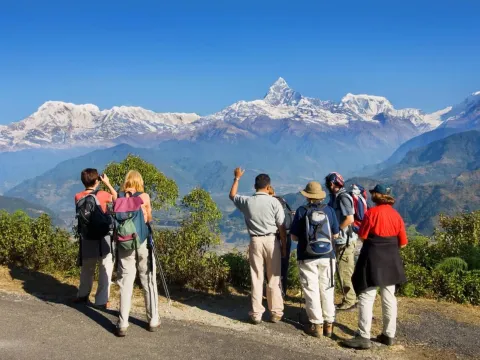
Nepal is widely recognized as one of the world’s ultimate trekking destinations, offering routes that range from iconic high-altitude journeys to hidden cultural trails. Each trekking route presents a unique combination of Himalayan scenery, ethnic diversity, and adventure intensity, making Nepal suitable for trekkers of all experience levels.
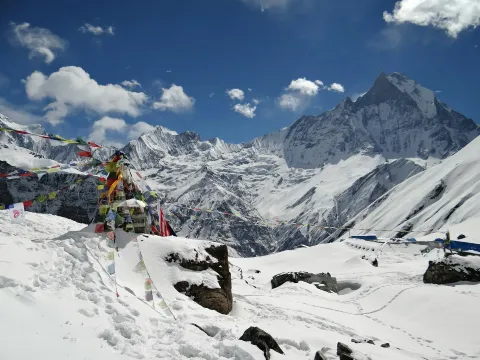
The Annapurna Base Camp Trek is one of Nepal’s most rewarding Himalayan adventures, combining dramatic mountain scenery, traditional Gurung villages, lush forests, terraced hillsides, and the spectacular Annapurna Sanctuary. The trek takes you from the lower foothills toward Annapurna Base Camp at an altitude of 4,130 meters, offering close-up views of some of the most impressive peaks in the Annapurna range.